
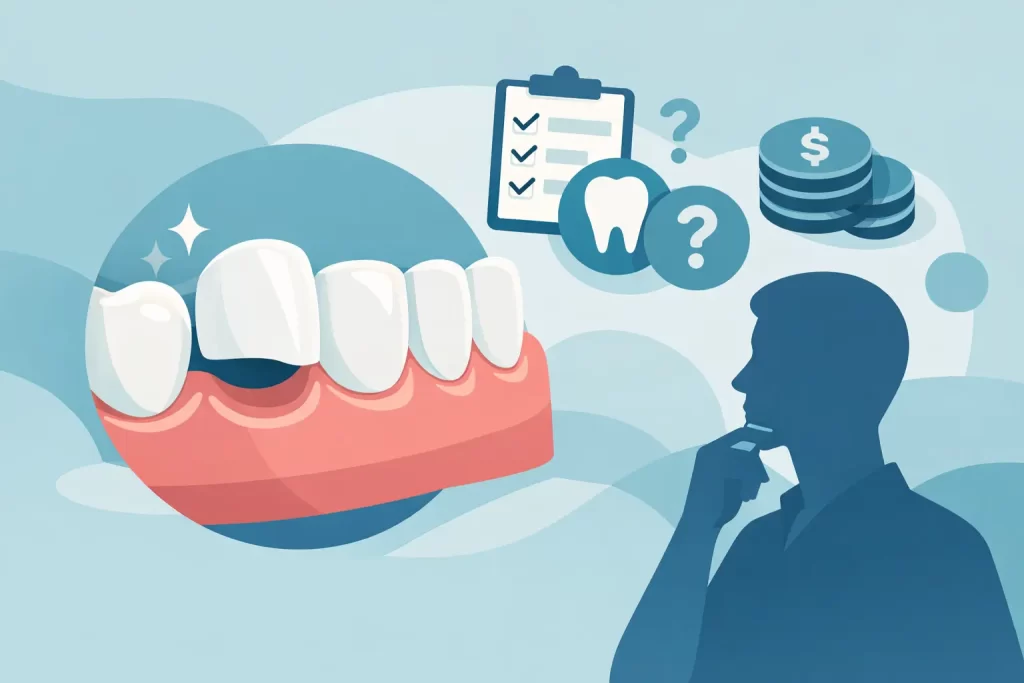
Are Veneers Worth It? What to Consider First
A smile can feel like a small detail until you find yourself covering it in photos, at work, or while meeting someone new. If you are asking, are veneers worth it, the honest answer is that they can be a life-changing cosmetic option for the right person, but they are not a one-size-fits-all solution. The best result comes from understanding what veneers can improve, what they require from your natural teeth, and whether another treatment may meet your goals more conservatively.
What veneers can change
Veneers are thin, custom-made shells that are bonded to the front surface of teeth. They are usually made from porcelain or a tooth-colored composite material. A veneer can improve the visible shape, shade, length, or surface of a tooth while still looking natural beside the rest of your smile.
They are often considered when teeth are stained in ways whitening cannot fully correct, chipped, worn down, unevenly shaped, or separated by small gaps. Veneers can also create a more balanced smile when a few front teeth look disproportionately small or irregular.
The appeal is not simply having whiter teeth. A well-planned veneer treatment is about proportion and harmony. Your dentist considers your facial features, lip line, bite, gum health, and the color of neighboring teeth. The goal should be a smile that looks like it belongs to you, only healthier and more polished.
Are veneers worth it for your smile goals?
Veneers are usually worth considering when you want a noticeable, long-lasting improvement to the appearance of front teeth and you understand the commitment involved. Porcelain veneers are particularly valued for their lifelike translucency and resistance to staining. With proper care, they can remain beautiful for many years.
Their value is often strongest for patients with several cosmetic concerns at once. For example, someone with discoloration, small chips, and uneven edges may get a more complete result from veneers than from whitening alone. Instead of addressing each concern separately, veneers can create a coordinated improvement.
That said, the treatment may not be worth it if your concern is minor or temporary. A single small chip may be better treated with bonding. Surface stains may respond well to professional whitening. Mild crowding may be improved with aligners, sometimes followed by whitening or small cosmetic refinements. Choosing the least invasive option that can meet your goals is often the wisest approach.
The trade-off: tooth preparation
One of the most important questions to ask is how much tooth preparation is needed. Traditional veneers often require removing a small amount of enamel so the veneer sits naturally and does not look bulky. Enamel does not grow back, which means veneer treatment is generally considered irreversible.
Some patients may be candidates for minimal-prep veneers, but this approach is not appropriate for every tooth or every smile. It depends on tooth position, bite, desired color change, and the amount of space available. A dentist should never promise a no-prep solution without carefully assessing whether it will create a natural, healthy result.
For this reason, veneers deserve thoughtful planning rather than an impulse decision based on a photo or trend. The right treatment protects the health and structure of your teeth while helping you feel more confident about your smile.
When veneers may not be the right first step
Healthy teeth and gums are the foundation of cosmetic dentistry. If you have untreated cavities, gum disease, active tooth pain, or a cracked tooth, those concerns need attention before veneers are considered. Cosmetic treatment placed over an underlying problem does not solve the problem.
Your bite matters as well. People who clench or grind their teeth can still be candidates for veneers, but they may need a protective nightguard and careful bite planning. Excessive pressure can chip or loosen restorations over time, especially if it is not managed.
Veneers may also be a poor choice when there is not enough healthy enamel to support them, when teeth are severely weakened, or when major alignment problems are present. In those situations, crowns, orthodontic treatment, bonding, or restorative care may offer a safer and more predictable path.
A careful dental assessment, supported by digital X-rays and close-up imaging when needed, helps identify these issues before cosmetic work begins. It also gives you the chance to discuss what you like and dislike about your current smile without feeling rushed.
Porcelain veneers vs. composite bonding
Porcelain veneers and composite bonding can both improve the appearance of teeth, but they offer different benefits. Porcelain is fabricated outside the mouth and bonded in place. It tends to hold its color well, mimic natural enamel beautifully, and provide a durable finish. It also usually involves a higher investment and may require more tooth preparation.
Composite bonding is shaped directly on the tooth using a tooth-colored resin. It can often be completed more conservatively and may be easier to repair if it chips. However, composite can stain and wear more readily than porcelain, and it may require periodic polishing, repair, or replacement.
Neither option is automatically better. If you want to correct a small flaw with minimal alteration to your natural tooth, bonding may be an excellent choice. If you are seeking a broader smile transformation with greater stain resistance and long-term color stability, porcelain veneers may be more appealing.
Cost, longevity, and the value of planning
The cost of veneers varies based on the number of teeth being treated, the material selected, the complexity of your bite, and the preparation required before treatment. A treatment plan that includes cleaning, gum care, fillings, or bite protection may have a different cost than a straightforward cosmetic case.
It is tempting to judge veneers only by the initial price. A more useful question is whether the treatment is planned to last and whether it protects your oral health. Well-made veneers require skilled evaluation, quality materials, precise placement, and follow-up care. Choosing treatment based solely on the lowest price can lead to a result that looks unnatural, feels uncomfortable, or needs early replacement.
Veneers are durable, but they are not indestructible. They can chip, crack, or come loose, particularly when used to bite hard objects or when grinding is left unmanaged. If a veneer eventually needs replacement, it will need to be replaced with another restoration rather than simply removed and left untreated.
How to care for veneers
Caring for veneers is very similar to caring for natural teeth. Brush twice daily with a non-abrasive toothpaste, floss every day, and keep up with professional checkups and cleanings. Healthy gums make a significant difference in how veneers look over time, since gum recession can expose the edge of a restoration.
Avoid using your teeth as tools to open packages, tear tags, or crack nuts. If you play contact sports, use a protective mouthguard. If you grind your teeth at night, a custom nightguard can help protect both your veneers and your natural teeth.
Porcelain resists stains well, but the natural teeth around veneers can still change color. Regular hygiene visits and thoughtful whitening plans can help keep your smile looking even. Your dentist can advise you on products that are safe for your restorations and natural enamel.
Questions to ask before you decide
Before moving ahead, ask your dentist what concerns veneers will solve in your specific case, how much enamel may need to be removed, and what alternatives could achieve a similar result. You should also ask to discuss the expected shade and shape, how your bite will be managed, how long the restorations may last, and what happens if one is damaged in the future.
A good consultation should leave you feeling informed, not pressured. At Restorative Dental Jamaica, cosmetic recommendations are most meaningful when they fit into a complete plan for a healthy, comfortable smile.
The right veneer treatment should feel like a considered investment in yourself, not a rushed change. Start with a conversation about your teeth, your health, and the smile you want to see in the mirror. From there, you can choose a path that feels confident, comfortable, and genuinely right for you.
Leave a reply







Leave a reply