
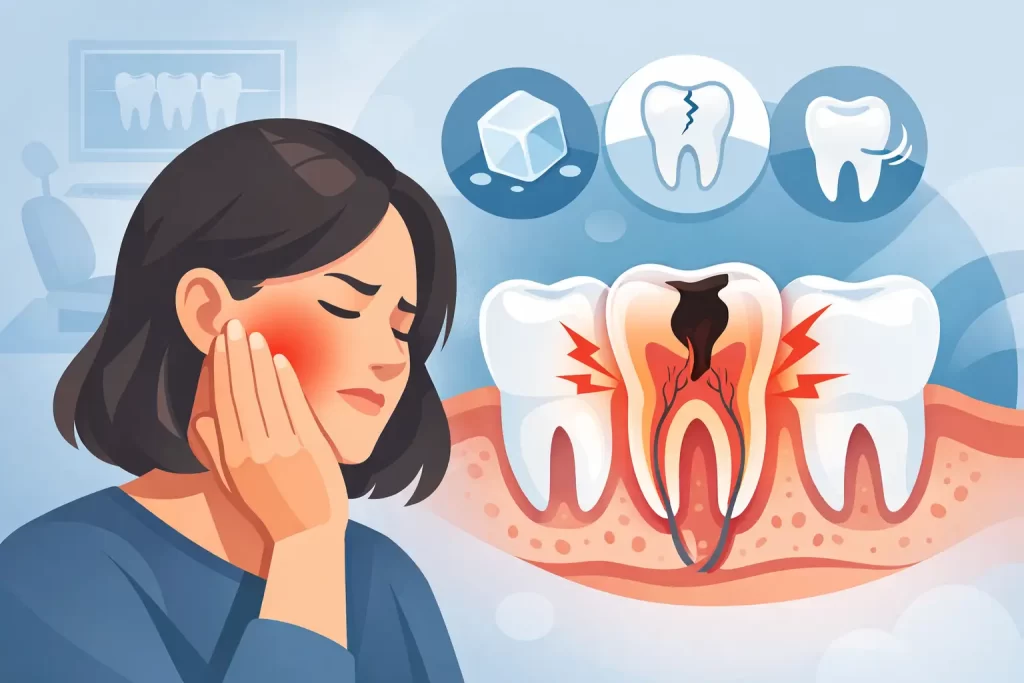
What Causes Sudden Tooth Pain?
One minute your tooth feels normal. The next, you are wincing when you sip cold water, chew lunch, or even breathe in through your mouth. If you are wondering what causes sudden tooth pain, the short answer is that something has irritated the tooth’s inner nerve or the tissues around it. The real cause, though, can range from a small cavity to an infection that needs prompt care.
Sudden tooth pain is easy to dismiss when it comes and goes, but that can be risky. Teeth rarely become painful for no reason. In many cases, early treatment is what makes the difference between a simple filling and a more involved procedure later.
What causes sudden tooth pain most often?
The most common reason is tooth decay that has reached a more sensitive part of the tooth. A cavity may start quietly, then become painful very quickly once it gets close to the nerve. At that stage, cold drinks, sweets, or pressure from chewing can trigger a sharp response.
A cracked tooth is another frequent cause. Sometimes the crack is obvious after biting something hard. Other times, it is so small that you cannot see it, but the tooth hurts sharply when you bite down or release pressure. Cracks can expose inner layers of the tooth and make the nerve react suddenly.
Gum problems can also create pain that feels like it is coming from the tooth itself. If the gum tissue is inflamed or infected, the area may become tender, swollen, or sore to the touch. Food trapping between teeth can make this worse and cause pain to seem as if it appeared overnight.
In some cases, the issue is dental sensitivity. If enamel has worn down or the gums have receded, hot, cold, sweet, or acidic foods can hit exposed dentin and cause a sudden zing of pain. This may not mean there is a major infection, but it still deserves attention because sensitivity often points to an underlying problem.
When sudden tooth pain may mean infection
One of the more serious answers to what causes sudden tooth pain is infection inside the tooth. This happens when bacteria enter through deep decay, a crack, or an old filling that no longer seals properly. The pulp inside the tooth becomes inflamed, and pressure builds. That can cause throbbing pain, pain that wakes you up, or pain that seems to spread into the jaw or ear.
If the infection progresses, an abscess may form. This can lead to swelling, a bad taste in the mouth, tenderness when biting, or even fever. At that point, the priority is not just pain relief. It is protecting your health and trying to save the tooth before the damage becomes more severe.
Not every infected tooth causes constant pain right away. Some hurt only with pressure at first. Others flare up suddenly after days or weeks of mild discomfort. That is one reason dental pain can be deceptive.
Other causes that people do not always expect
Tooth pain is not always caused by a cavity. Grinding and clenching can create sudden soreness, especially if the tooth’s ligament becomes inflamed from excess pressure. You may notice this more in the morning or during stressful periods.
A recent filling or whitening treatment can sometimes leave a tooth temporarily sensitive. Usually, that improves within a short time. If it gets worse instead of better, the bite may need adjusting or the tooth may already have had deeper irritation than expected.
Sinus pressure can also mimic upper tooth pain. Because the roots of upper back teeth sit close to the sinus area, congestion or inflammation can make several teeth feel sore at once. The pattern matters here. If multiple upper teeth hurt during a cold or sinus flare, the source may not be the teeth themselves.
An erupting wisdom tooth can create sudden pain too, especially if the area becomes inflamed or food gets trapped around partially erupted gum tissue. This may feel like jaw pain, gum pain, or pain in the back tooth area.
Signs that help narrow down the cause
The type of pain often gives useful clues. Sharp pain with cold can suggest decay, sensitivity, or a crack. Throbbing pain may point more toward inflammation or infection. Pain when biting can be a crack, a high filling, or infection around the root.
Lingering pain matters too. If cold water hurts for a second and fades, that may be sensitivity. If the pain lingers for 30 seconds or more after the cold is gone, the nerve may be more inflamed. Spontaneous pain that starts without eating or drinking is another sign that the tooth needs prompt evaluation.
Swelling, pus, fever, facial tenderness, or trouble opening your mouth should never be ignored. Those symptoms suggest the problem may be spreading beyond a simple cavity.
What to do when a tooth suddenly starts hurting
Start with a gentle rinse using warm salt water. This can help if food is trapped or the gums are irritated. Brush carefully and floss around the area in case something is lodged between the teeth.
If the pain is triggered by temperature, avoid very hot, very cold, and sugary foods until you are seen. If chewing makes it worse, use the other side of your mouth. Over the counter pain relief may help temporarily if you can take it safely, but it should not be used as a substitute for care.
Do not place aspirin directly on the gum or tooth. This can irritate the tissue and does not treat the cause. If there is swelling on the face, fever, or severe throbbing pain, call a dentist as soon as possible.
What causes sudden tooth pain that comes and goes?
Intermittent pain can be especially confusing. Many people assume that if it stops, the problem has resolved. In reality, pain that comes and goes is still often caused by decay, a crack, gum irritation, or early nerve inflammation.
A cracked tooth is a classic example. It may hurt only when the bite lands a certain way. Early pulp inflammation can also flare with cold drinks, sweets, or nighttime pressure and then settle down for a while. That pattern does not mean the tooth is healing itself. It often means the problem is progressing in phases.
This is where a proper exam becomes important. Digital x-rays, a close visual evaluation, and simple tests for temperature and bite pressure can help pinpoint the source before the pain becomes constant.
How dentists treat sudden tooth pain
Treatment depends on the cause. A cavity may need a white filling. A cracked or weakened tooth may need a crown to protect it. If the nerve is infected or badly inflamed, root canal therapy may be the best way to preserve the natural tooth and stop the pain.
If the tooth cannot be saved, extraction may be recommended, but preserving natural teeth is usually the first goal whenever possible. Gum-related pain may improve with professional cleaning and treatment of the inflamed area. If the issue is bite-related, adjusting the bite or providing a night guard may help reduce pressure.
This is why guessing at the cause can be frustrating. The same symptom, like pain with chewing, can have several different explanations. The right treatment starts with identifying which one applies to your tooth.
When to seek care right away
Some dental pain can wait a day or two for an appointment, but some situations should be treated more urgently. If you have facial swelling, fever, severe throbbing pain, pus, a bad taste that keeps returning, or difficulty swallowing, you should seek dental attention promptly. These signs can indicate a spreading infection.
Pain after trauma also deserves urgent evaluation, even if the tooth looks intact. A tooth can be cracked below the surface or the nerve can be damaged from impact.
For patients who want calm, modern care in a supportive setting, practices like Restorative Dental Jamaica focus on identifying the problem quickly and guiding you through treatment with comfort and clarity.
A painful tooth is not just an inconvenience. It is usually your body asking for help before the problem gets bigger. If something suddenly feels off, trust that signal and get it checked while the solution is still simpler, more comfortable, and more likely to save your tooth.
Leave a reply







Leave a reply