
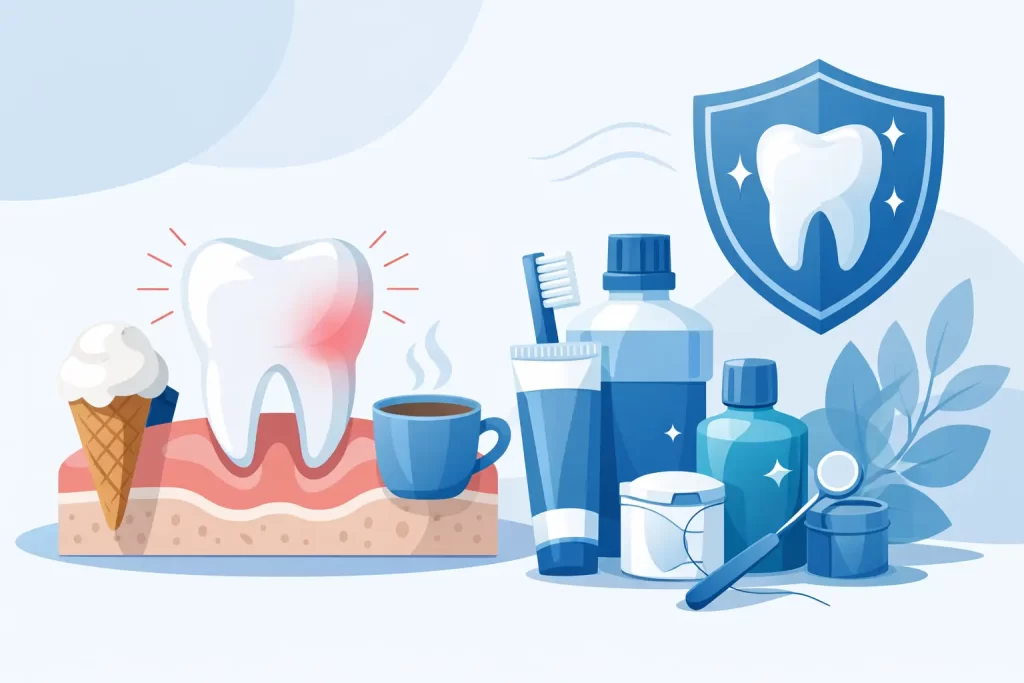
Sensitive Teeth Treatment Options That Bring Relief
That sharp jolt when you sip cold water, enjoy ice cream, or breathe in cool air is more than a small annoyance. Tooth sensitivity can make everyday eating and drinking feel unpredictable. The good news is that sensitive teeth treatment options can provide meaningful relief once the underlying cause is identified. For many patients, sensitivity is manageable with simple changes. For others, it is an early signal that a tooth needs professional care.
Sensitivity happens when the protective enamel on a tooth becomes thinner, gums recede, or a tooth develops damage that exposes the softer dentin underneath. Dentin contains tiny pathways that lead toward the tooth’s nerve, so hot, cold, sweet, acidic, or even touch-related triggers can produce a sudden sting.
Why your teeth may feel sensitive
Sensitive teeth are not always caused by the same thing, which is why a one-size-fits-all solution can be disappointing. Brushing too aggressively with a hard-bristled toothbrush can wear the tooth surface near the gumline. Frequent acidic drinks, citrus, or reflux may gradually soften enamel. Gum recession can expose tooth roots, which do not have the same enamel protection as the visible part of the tooth.
Sensitivity can also develop around cavities, cracked teeth, leaking or worn fillings, and teeth affected by grinding or clenching. A recent whitening treatment may cause short-term sensitivity as well. This often settles, but it should not be ignored if the discomfort is severe or continues.
The pattern matters. General sensitivity to cold across several teeth may point to enamel wear or exposed roots. Pain in one specific tooth, especially when biting or when heat lingers, may indicate decay, a crack, or nerve inflammation. A dental assessment helps separate temporary sensitivity from a problem that requires restorative treatment.
Sensitive teeth treatment options that fit the cause
The right approach should protect your comfort while preserving as much healthy natural tooth structure as possible. At Restorative Dental Jamaica, care begins with listening to what triggers the sensitivity, examining the teeth and gums, and using modern diagnostic tools when needed. Digital x-rays and intraoral images can help reveal concerns that are not visible from the surface alone.
Desensitizing toothpaste and gentler home care
For mild, widespread sensitivity, a dentist may recommend a desensitizing toothpaste. These formulas work by helping block the pathways that transmit sensations through dentin. They are not an instant fix. Consistent use for a few weeks is usually needed before you can judge whether they are helping.
Use a soft-bristled toothbrush and light pressure, especially around the gumline. Brushing harder does not make teeth cleaner, but it can contribute to wear and gum recession. If you use an electric toothbrush, choose a gentle setting and allow the bristles to do the work.
It can also help to limit frequent exposure to acidic drinks and snacks. You do not have to avoid every favorite food, but sipping acidic beverages over long periods keeps teeth under repeated acid exposure. Rinse with water afterward and wait about 30 minutes before brushing so softened enamel has time to recover.
Professional fluoride and desensitizing treatments
When over-the-counter products are not enough, professional fluoride applications or desensitizing agents may offer stronger protection. These treatments can help reinforce enamel and reduce the movement of sensations through exposed areas of dentin.
This option is often useful when sensitivity is related to early enamel wear, mild recession, or a period of increased sensitivity after whitening. It is conservative, comfortable, and can be incorporated into routine preventive visits. Results vary, however, and repeated applications may be recommended depending on your risk factors and symptoms.
White fillings for decay and worn areas
A cavity does not always cause a constant toothache. Sometimes, cold sensitivity or a quick sweet-food sting is the first sign. If decay, an old filling, or a small worn area is exposing dentin, a tooth-colored filling can seal and protect the tooth.
White fillings are designed to blend naturally with your smile while restoring the damaged portion of the tooth. Treating decay early is generally simpler and helps prevent a larger restoration later. If sensitivity is coming from one tooth rather than all over your mouth, prompt evaluation is particularly worthwhile.
Bonding for exposed roots or small defects
Dental bonding may be used to cover exposed root surfaces or small areas where enamel has worn away. The tooth-colored material is shaped directly onto the tooth to create a smoother protective barrier.
Bonding can be a practical choice for select cases, especially where recession or brushing-related wear is limited. It is not always permanent, and it may need maintenance over time, particularly for patients who clench, grind, or brush aggressively. Still, it can provide both comfort and an improved appearance when the gumline area is visible.
Crowns for weakened or cracked teeth
A tooth that has a deep crack, significant wear, a large failing filling, or extensive decay may need more coverage than a filling can provide. A dental crown surrounds the tooth and helps distribute biting pressure more evenly. This can reduce sensitivity and protect the remaining natural tooth from further fracture.
Crowns are recommended only when the tooth needs that level of support. They involve more preparation than a small filling, but they can be an excellent long-term solution for a tooth that is structurally compromised. The goal is always to select the most conservative treatment that will still protect your tooth reliably.
Root canal therapy for inflamed or infected nerves
If sensitivity becomes intense, spontaneous, or long-lasting, the nerve inside the tooth may be severely inflamed or infected. Pain that lingers after heat or cold, swelling, pain when biting, or a tooth that keeps you awake deserves timely attention.
Root canal therapy removes infected or damaged tissue from inside the tooth, disinfects the canals, and seals them so the tooth can remain in place. Despite its reputation, modern root canal treatment is intended to relieve pain, not create it. In many cases, a crown is placed afterward to restore strength and function.
When sensitivity should not wait
It is reasonable to try gentle home care for mild sensitivity that is brief and improving. But schedule a dental visit soon if pain is getting worse, lasts after the trigger is gone, affects one tooth, or comes with swelling, a bad taste, fever, or a broken tooth. These symptoms can point to an issue that will not resolve with toothpaste alone.
Do not place aspirin directly on a tooth or gum tissue. It does not treat the source of pain and can irritate the gums. If you need temporary comfort before an appointment, avoid known triggers, chew on the opposite side, and follow the directions for an appropriate over-the-counter pain reliever if it is safe for you to take.
Protecting your comfort after treatment
Relief is more likely to last when the habits behind sensitivity are addressed. Regular exams and professional cleanings help identify small cavities, gum changes, and worn restorations before they become painful. A nightguard may be recommended if grinding or clenching is placing excessive force on your teeth.
If you are considering teeth whitening, mention any history of sensitivity first. Whitening can still be possible for many patients, but your dentist may suggest a gentler approach, adjusted timing, or desensitizing care before and after treatment. Your comfort should be part of the plan, not an afterthought.
Sensitive teeth can make simple moments feel limiting, but you do not have to guess at the cause or live around the discomfort. A personalized dental assessment can identify what your teeth need and help you get back to enjoying hot coffee, cold drinks, and everyday meals with greater confidence.
Leave a reply







Leave a reply