
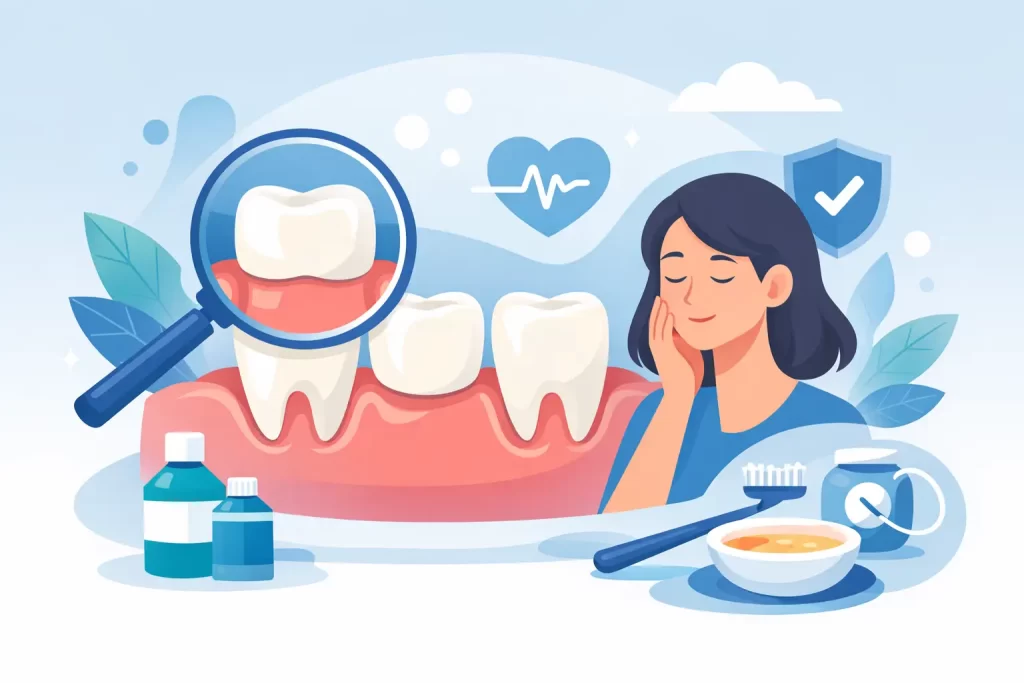
How to Care for a Temporary Crown Without Stress
A temporary crown may look and feel much like a natural tooth, but it needs a little extra care until your permanent crown is ready. Knowing how to care for a temporary crown can help you avoid an unexpected loose crown, discomfort, or a delay in completing your treatment. With a few sensible habits, you can keep the area comfortable and protect the tooth underneath.
Why temporary crowns need special care
A temporary crown protects a prepared tooth while your final restoration is being made. It helps shield the tooth from temperature changes, keeps nearby teeth from shifting, and supports a more comfortable bite. However, it is usually held in place with temporary cement, which is designed to be removed easily at your next appointment.
That means a temporary crown is not as strong or as securely attached as your final crown. Sticky foods, very hard foods, and aggressive brushing or flossing can sometimes loosen it. This is not a reason to feel anxious – it simply means being thoughtful about what you eat and how you clean the area for a short period.
How to care for a temporary crown every day
Your normal oral hygiene routine still matters. Plaque can build up around the temporary crown and gumline just as it can around any other tooth, so continue brushing twice daily with a soft-bristled toothbrush and fluoride toothpaste. Brush gently around the crown rather than scrubbing forcefully at its edges.
Flossing is also helpful, but technique matters. Slide the floss carefully between the teeth, then pull it out through the side rather than lifting it straight up. Pulling floss upward can catch the edge of the temporary crown and potentially loosen it. If the space is tight or floss keeps snagging, do not force it. Let your dental team know so they can advise you.
If your gums feel slightly tender after the procedure, rinse gently with warm salt water. Mix a small amount of salt into warm water, swish gently, and spit it out. This can soothe irritated gum tissue while you adjust to the temporary crown. Keep using any prescription or over-the-counter medication exactly as directed by your dentist or physician.
Eat carefully, especially during the first day
Until the temporary cement has fully set, avoid chewing on the side of your mouth with the crown if possible. Even after that first day, choose foods that are easier on the restoration. Soft rice, fish, eggs, pasta, cooked vegetables, soups, and yogurt are generally comfortable choices.
Try to avoid chewing ice, hard candy, nuts, popcorn kernels, crusty bread, and other hard foods on the temporary crown. Sticky foods deserve special attention because they can pull at the crown. Gum, caramel, toffee, chewy candy, and very sticky pastries are best left until after your permanent crown is fitted.
You do not have to restrict every meal. The goal is to avoid unnecessary pressure on a restoration that is only meant to serve temporarily. Cutting firmer foods into smaller pieces and chewing on the opposite side can make a real difference.
Be mindful of hot and cold sensitivity
Some people notice sensitivity to cold drinks, hot coffee, or sweet foods after a tooth has been prepared for a crown. Mild sensitivity can be normal, particularly during the first few days. Drinking through the opposite side of the mouth and avoiding extreme temperatures may help.
Sensitivity should gradually improve, not become increasingly intense. If you have severe pain, throbbing, swelling, or discomfort that keeps you awake, contact your dentist. These symptoms may need prompt attention and should not be managed by simply waiting for your crown appointment.
What if your temporary crown feels high or uncomfortable?
Your bite should feel reasonably natural when you close your teeth together. A temporary crown can feel slightly unfamiliar at first, but it should not feel so high that it hits before the other teeth or makes chewing uncomfortable. A high spot can place too much pressure on the tooth and jaw.
Call your dental office if your bite feels uneven, if you cannot close comfortably, or if pain develops when you chew. A small adjustment by your dentist can often make the temporary crown feel much better. Do not try to file, trim, or adjust the crown yourself.
It is also common for the edge of a temporary crown to feel a little different from a natural tooth. What matters is whether it is sharp enough to irritate your tongue or cheek, feels loose, or is causing persistent gum soreness. Your dental team can assess whether an adjustment is needed.
If the temporary crown comes off
Temporary crowns occasionally come loose, even when patients are careful. If this happens, remain calm and keep the crown. Rinse it gently with water and place it in a clean container. Avoid eating on that tooth until you have spoken with your dentist.
Do not use household glue, craft adhesive, or any non-dental product to put the crown back in place. These materials can damage the tooth, irritate your gums, and make it harder for your dentist to properly recement the crown. A pharmacy may carry temporary dental cement, but it is still best to call your dental office first for personalized instructions.
If the crown comes off and you are not in pain, contact the office as soon as possible to arrange guidance or an appointment. If the tooth is very sensitive, the crown is broken, or you are experiencing significant pain or swelling, let the team know right away. The tooth underneath is more vulnerable without its protective covering.
Habits that can protect your crown and natural teeth
A temporary crown is a useful reminder that protecting your teeth is often about small daily choices. If you clench or grind your teeth, tell your dentist, especially if you wake with jaw soreness or headaches. Grinding can put added stress on both temporary and permanent crowns, and a custom night guard may be recommended in some cases.
Avoid using your teeth as tools to open packages, tear tags, or crack shells. These habits can chip natural enamel and damage restorations. If you play contact sports, wear a properly fitted mouthguard to protect your teeth and dental work.
Keep your scheduled appointment for the permanent crown. Temporary crowns are not intended as a long-term solution, even if they feel fine. Your final crown is made to provide a stronger, more precise fit that supports the tooth and restores your smile with greater durability.
When to call your dentist
You should contact your dentist promptly if the temporary crown is loose, broken, missing, or causing persistent irritation. Call as well if you notice increasing sensitivity, pain when biting, swelling, a bad taste near the tooth, or a bite that feels noticeably uneven. Early attention can often prevent a small concern from becoming a more complicated problem.
At Restorative Dental Jamaica, patient comfort is part of every restorative treatment. If you have questions about your temporary crown, asking for guidance is always better than trying to manage a concern alone. A little care now helps create the best conditions for a comfortable, confident final result.
Leave a reply







Leave a reply