
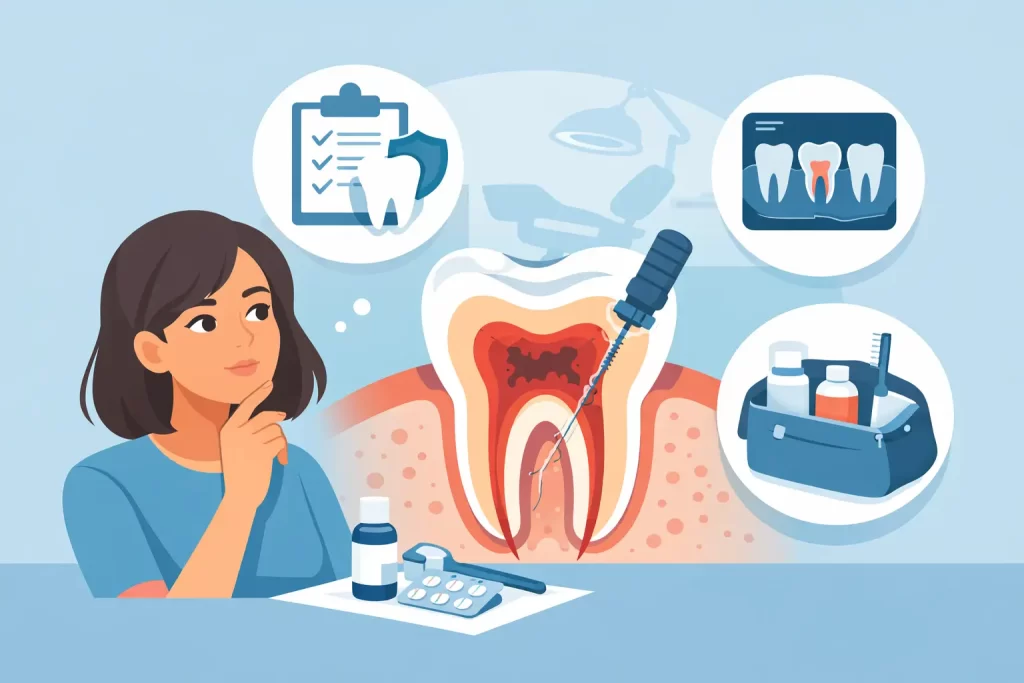
How to Prepare for Root Canal Treatment
That moment when your dentist says you need a root canal can make your stomach drop. For many patients, the biggest challenge is not the treatment itself – it is the worry beforehand. If you are wondering how to prepare for root canal treatment, the good news is that a little planning can make the visit feel far more manageable.
A root canal is designed to save a natural tooth that has been badly decayed, infected, or inflamed. In most cases, the procedure is done to relieve pain, stop infection, and help you keep your tooth rather than lose it. Knowing what to expect before your appointment can help you walk in feeling calmer, more comfortable, and more confident about your care.
How to prepare for root canal treatment before your visit
Preparation starts with understanding why the procedure is needed. If the pulp inside the tooth becomes infected or damaged, the tooth may ache, feel sensitive to heat or cold, or hurt when you bite down. Sometimes there is swelling. Sometimes there are very few symptoms at all. Your dentist uses an exam and imaging, often including digital x-rays, to confirm what is happening and decide whether root canal therapy is the right next step.
Once treatment is recommended, ask questions. Patients often feel more at ease when they understand how long the visit may take, whether the tooth will likely need a crown afterward, and what kind of numbness or soreness is normal. A good dental team will explain the process clearly and help you feel prepared, not rushed.
It also helps to share your full medical history. Let your dentist know about any health conditions, allergies, current medications, and whether you are pregnant or think you may be. This matters because your treatment plan, anesthesia choices, and pain management recommendations may need to be adjusted to fit your needs.
What to do the day before a root canal
The day before your appointment is a good time to keep things simple. Get a good night’s sleep if you can. Being tired tends to make dental anxiety feel worse and can leave you more tense during treatment.
Eat normally unless your dentist gives you different instructions. In most routine cases, there is no need to fast before a root canal, especially if you are having local anesthesia rather than sedation. In fact, arriving hungry can leave you feeling shaky or uncomfortable. A balanced meal the night before and a normal breakfast or lunch before your visit are often the better choice.
If you have been prescribed antibiotics or another medication before treatment, take them exactly as directed. Do not stop a medication or skip a dose because you feel nervous about the appointment. If anything about your prescription instructions is unclear, contact the office ahead of time rather than guessing.
Try to avoid alcohol the night before and do not smoke if possible. Both can make healing harder and may increase irritation or dryness in the mouth. This is especially worth taking seriously if you already have swelling or infection around the tooth.
How to prepare for root canal if you feel anxious
Dental anxiety is common, and root canals have a reputation that is often worse than reality. Modern root canal treatment is usually no more uncomfortable than getting a filling once the area is numb. For many people, the procedure actually brings relief because it treats the source of pain.
If you are nervous, tell your dental team before the appointment begins. That simple step makes a real difference. They can talk you through what will happen, check on your comfort during the procedure, and help pace the visit in a way that feels more manageable.
Some patients do well by bringing headphones and listening to music or a podcast. Others feel better scheduling the appointment earlier in the day so they do not spend hours thinking about it. If you know you are prone to anxiety, ask in advance what comfort options are available. The right environment – calm staff, clear communication, and a relaxed office setting – can change the whole experience.
Should you eat before a root canal?
This is one of the most common questions patients ask. In most cases, yes, you should eat before a root canal unless your dentist has told you otherwise. Since your mouth may stay numb for a few hours afterward, eating first is usually more comfortable than waiting until after treatment.
Choose something filling but not too heavy. You want to feel settled, not sluggish. If the tooth is painful when chewing, stick with softer foods that will not aggravate the area.
You should also drink water and stay hydrated. A dry mouth can make you feel less comfortable during treatment, and good hydration supports overall well-being. Just avoid arriving with a large sugary drink or anything that may leave your mouth feeling sticky.
Medications and practical steps before your appointment
Bring a list of your medications if you do not already have them on file. That includes prescriptions, over-the-counter pain relievers, supplements, and herbal products. Even common medications can affect treatment decisions.
If your dentist has recommended taking a pain reliever before the visit, follow those instructions carefully. Do not self-medicate with extra doses just because you are worried. More is not always better, and certain medications may not be appropriate for every patient.
It is also smart to arrive a little early. Rushing into a dental appointment tends to increase stress. Give yourself enough time to park, check in, and settle down before treatment begins.
Wear comfortable clothing and avoid packing your day too tightly afterward. Some patients feel fine returning to work, especially after a straightforward appointment. Others prefer to keep the rest of the day lighter, particularly if the tooth was very painful beforehand or if they tend to feel drained after dental treatment. It depends on your comfort level, the complexity of the case, and whether additional procedures are being done.
What to expect during the procedure
A lot of fear comes from not knowing what happens in the chair. First, the area will be numbed so you stay comfortable. Then the dentist will carefully remove the infected or damaged tissue from inside the tooth, clean and shape the canals, and place a filling material to seal the space.
In some cases, the treatment is completed in one visit. In others, it may take more than one appointment, especially if there is significant infection or the tooth is more complex. Afterward, the tooth often needs a crown for added protection, particularly if it is a back tooth that handles a lot of chewing force.
The goal is always the same: preserve your natural tooth whenever possible. That matters because keeping your own tooth generally helps maintain normal function, bite balance, and appearance.
Planning for recovery at home
Part of knowing how to prepare for root canal treatment is preparing for what comes next. Mild soreness for a few days is common, especially when chewing. This does not usually mean something is wrong. It is often just the tissue around the tooth settling down after treatment.
Before your appointment, make sure you have whatever your dentist recommends for aftercare, whether that is an over-the-counter pain reliever or a prescribed medication. Having soft foods at home can help too. Think yogurt, soup, mashed potatoes, eggs, oatmeal, or anything else that is easy to eat without putting pressure on the treated tooth.
Do not chew on the treated side until your dentist says it is safe, especially if a temporary filling has been placed. If a crown is planned, be sure to keep that follow-up appointment. The root canal treats the inside of the tooth, but the final restoration helps protect the tooth long term.
When to call your dentist
Most root canals heal smoothly, but you should know when to check in. If you have severe pain that is not improving, swelling that gets worse, a fever, or a filling that comes loose, contact your dental office. It is always better to ask than to wait and hope.
A trusted dental team will want to hear from you if something feels off. Personalized care does not stop when the procedure ends. Comfort, healing, and long-term tooth preservation all matter.
At Restorative Dental Jamaica, that patient-first approach is a big part of helping people feel at ease with treatments like root canal therapy. When you know your care is being handled with attention, technology, and genuine reassurance, the process feels a lot less intimidating.
If you need a root canal, try not to focus on the name of the procedure. Focus on what it is helping you do – get out of pain, stop infection, and keep your natural smile strong for the future.
Leave a reply







Leave a reply