
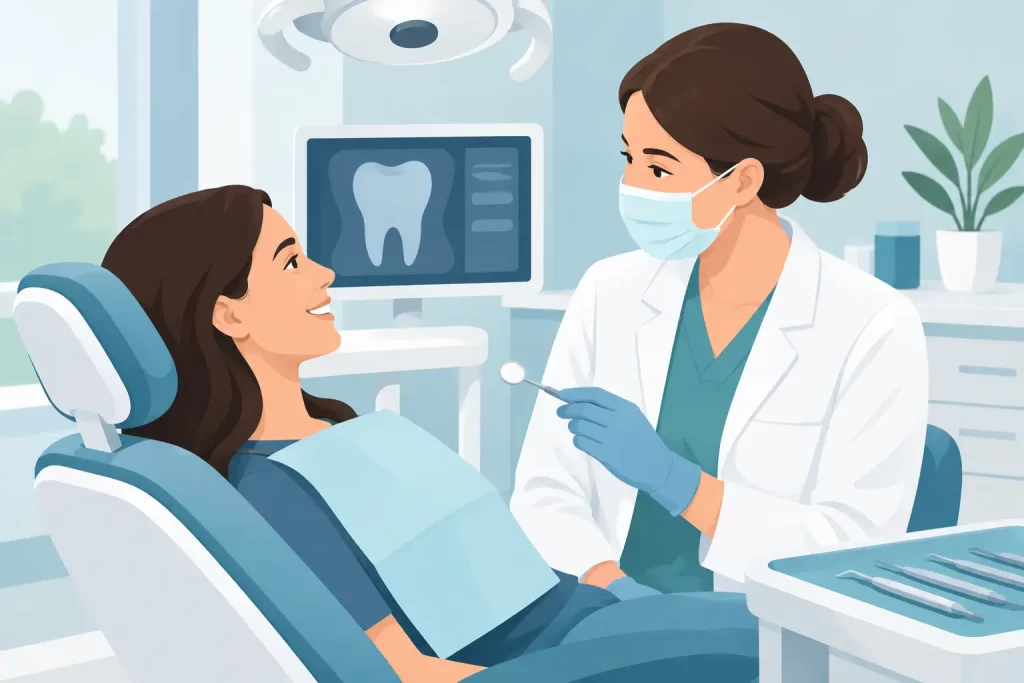
What Happens During Dental Assessment Visits?
A dental assessment is more than a quick look at your teeth. If you have been wondering what happens during dental assessment visits, expect a calm, structured appointment focused on understanding your oral health, listening to your concerns, and helping you make informed choices about next steps. Whether you are coming in for a routine checkup, a painful tooth, or a smile improvement, the goal is to give you clarity without making you feel rushed.
At Restorative Dental Jamaica, we believe patients feel more comfortable when they know what to expect. Your assessment gives your dental team the information needed to protect healthy teeth, identify concerns early, and recommend care that fits your needs.
Your visit starts with a conversation
Before the clinical examination begins, the team will ask about your general health and dental history. This may include questions about medications, allergies, past dental treatment, pregnancy, medical conditions, and any changes in your health since your last visit. These details matter because conditions such as diabetes, high blood pressure, acid reflux, and dry mouth can affect your teeth and gums, as can some medications.
You will also have time to explain what brought you in. Perhaps a tooth hurts when you drink something cold, a filling has broken, your gums bleed when you brush, or you are unhappy with the color or shape of your teeth. Be as specific as you can about when a problem started, what triggers it, and whether it has changed. There is no need to wait until discomfort becomes severe to mention it.
For patients who feel anxious about dental visits, this is also the right time to say so. A caring dental team can adjust the pace of the appointment, explain each stage before it happens, and discuss ways to help you feel more at ease.
What happens during a dental assessment exam?
The dentist will examine your teeth, gums, bite, and the tissues inside your mouth. This is not simply a search for cavities. A thorough assessment looks at how your mouth functions as a whole and how small concerns could develop over time.
Your teeth are checked for signs of decay, worn enamel, cracks, loose or damaged fillings, old crowns, chips, staining, and areas where food may be getting trapped. The dentist may gently test a tooth or ask whether it is sensitive. If you have pain, they will look for possible causes such as a cavity, fractured tooth, gum infection, or irritation around an existing restoration.
Your gums are assessed for redness, swelling, bleeding, recession, and buildup of plaque or tartar. Healthy gums help support your teeth for life, so gum health is a central part of preserving your natural smile. In some cases, the dental team may measure the spaces between the teeth and gums. Deeper spaces can be a sign of gum disease and may require more focused cleaning or monitoring.
The exam also includes the tongue, cheeks, palate, lips, jaw joints, and bite. This allows the dentist to check for signs of clenching or grinding, jaw discomfort, unusual wear, and changes to the soft tissues of the mouth. Most findings are harmless, but checking regularly helps ensure anything unusual is noticed promptly.
Digital X-rays and intraoral images
Some dental problems cannot be seen clearly during a visual exam. Digital X-rays may be recommended to check between teeth, beneath fillings, around tooth roots, and in the bone supporting your teeth. They can reveal early decay, infection, bone loss, impacted teeth, and concerns developing below the gumline.
Not every patient needs the same X-rays at every appointment. The type and frequency depend on your age, dental history, current symptoms, risk of tooth decay, and when images were last taken. If you are a new patient, have ongoing pain, or have had recent dental work, updated images may be especially helpful.
An intraoral camera may also be used to take close-up images inside your mouth. Seeing a cracked filling, worn tooth edge, or cavity on a screen can make the discussion much clearer. It turns the assessment into a conversation rather than a list of instructions, so you can better understand why a treatment is or is not being recommended.
A closer look at your bite and existing dental work
If you have crowns, bridges, dentures, implants, veneers, aligners, or fillings, the dentist will assess how well they are functioning. Restorations are designed to protect and restore teeth, but they still need regular review. A crown can look fine from the outside while decay develops at its edge, and a denture may need adjustment if it begins to rub or feel loose.
Your bite matters, too. Teeth that meet unevenly can place extra pressure on certain areas, contribute to chips and jaw tension, or shorten the lifespan of restorations. Grinding at night may leave clues such as flattened teeth, small fractures, or sore jaw muscles. Depending on what is found, a protective night guard, bite adjustment, or restorative treatment may be discussed.
Discussing your treatment options clearly
After the examination, the dentist will explain the findings in plain language. You may be told that everything looks stable and that routine cleaning and prevention are the best next steps. Or you may learn that a tooth needs a filling, crown, root canal treatment, extraction, or further investigation.
A good treatment conversation should not feel pressured. Your dentist should explain what the concern is, why treatment may be recommended, what could happen if it is left untreated, and what alternatives may be available. The right approach depends on factors such as the condition of the tooth, your comfort, your health history, your timeline, and your budget.
For example, a small cavity may be treated with a white filling before it becomes painful. A badly cracked or weakened tooth may need a crown for stronger protection. If decay or infection reaches the nerve, root canal therapy may offer a way to save the natural tooth. In other situations, extraction may be the healthier option, followed by a discussion about replacing the tooth when appropriate.
Cosmetic goals can be part of the conversation as well. If you are considering whitening, bonding, veneers, or teeth aligners, the dentist will first check that your teeth and gums are healthy enough to proceed. Cosmetic treatment tends to have better, longer-lasting results when underlying decay, gum inflammation, or bite issues are addressed first.
What you may leave with after your assessment
At the end of the appointment, you should have a clearer understanding of your oral health and a practical plan. That could include a hygiene appointment, home-care advice, a treatment estimate, a referral if specialized care is needed, or a schedule for monitoring an area that does not require immediate treatment.
If several treatments are recommended, they may be prioritized. Urgent pain, infection, active decay, and unstable restorations generally come before elective cosmetic changes. This does not mean you must do everything at once. Phasing treatment can be a sensible choice, particularly when time or finances are a consideration. The key is understanding which steps should not be delayed and which can be planned over time.
How to prepare for your appointment
Bring a list of medications, details of relevant medical conditions, and any previous dental records or X-rays if you have them. If you wear a night guard, retainer, or denture, bring it along so it can be checked. Parents should share any concerns about a child’s brushing habits, diet, thumb sucking, tooth sensitivity, or dental anxiety.
You do not need to have perfect teeth before an assessment. Avoiding a visit because you feel embarrassed about staining, missing teeth, or long gaps between appointments only gives problems more time to progress. A dental assessment is a supportive starting point, not a judgment.
If something has been bothering you, booking an assessment gives you the chance to replace uncertainty with a clear answer and a path forward. Small concerns are often easier to manage when they are addressed early, and a comfortable conversation today can help protect your smile for years to come.
Leave a reply







Leave a reply