
Gum Recession Causes and What to Do Next
A tooth may look longer than it once did. You may feel a sharp twinge when you drink something cold or notice a small notch near the gumline while brushing. These can be early signs of gum recession. Understanding gum recession causes can help you act early, protect your natural teeth, and avoid discomfort that may worsen over time.
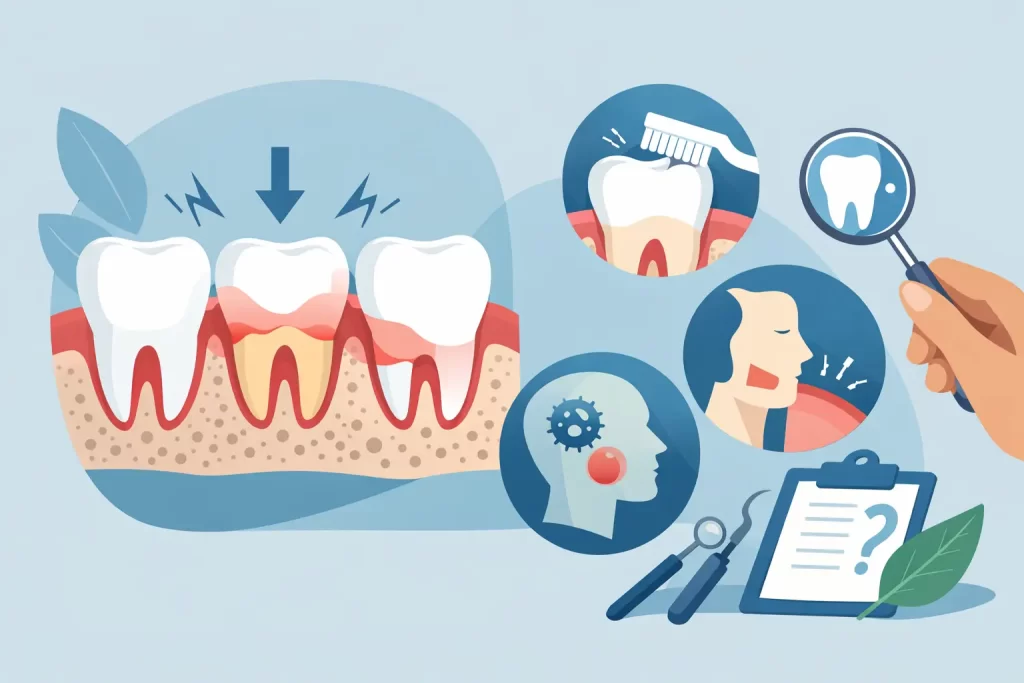
Gum recession happens when the gum tissue around a tooth pulls back or wears away, exposing more of the tooth root. Unlike the visible enamel on the crown of your tooth, the root surface is not designed to handle the same level of daily exposure. It can become sensitive, more vulnerable to decay, and harder to keep clean.
What Causes Gum Recession?
There is rarely just one explanation. Gum recession can develop gradually through a combination of brushing habits, gum disease, tooth position, and bite forces. A dental assessment can help identify what is affecting your gums, because the right treatment depends on the underlying cause.
Gum Disease and Plaque Buildup
Gum disease is one of the most common gum recession causes. When plaque is left along and beneath the gumline, bacteria can irritate the gums. Early gum disease may cause redness, swelling, tenderness, or bleeding during brushing and flossing. Without professional care, the infection can progress and damage the bone and supporting tissues that hold teeth in place.
As that support is lost, the gums may begin to recede. This does not always cause pain, which is why regular dental visits matter. Many patients are surprised to learn that bleeding gums are not simply a normal result of brushing too hard. They are often a sign that the gums need attention.
A professional scale and polish removes hardened buildup that cannot be brushed away at home. If gum disease is more advanced, your dentist may recommend more targeted periodontal care and a plan for maintaining gum health over time.
Brushing Too Hard or Using the Wrong Technique
Brushing is essential, but more pressure does not mean a better clean. Scrubbing aggressively with a hard-bristled toothbrush can wear down the gumline and the tooth surface near it. Over months or years, this repeated friction may contribute to recession, particularly around the canines and premolars.
Choose a soft-bristled toothbrush and use gentle, controlled motions rather than a back-and-forth scrubbing action. An electric toothbrush with a pressure sensor can be helpful for some patients, but the technique still matters. Your dental team can show you how to clean thoroughly without traumatizing the gums.
Genetics and Naturally Thin Gum Tissue
Some people are more prone to recession even when they maintain good oral hygiene. Gum thickness, jaw shape, and the position of teeth in the bone are partly influenced by genetics. If you have naturally thin gum tissue, minor brushing trauma or inflammation may have a greater effect than it would for someone with thicker tissue.
This is one reason recession should not be treated as a personal failure. Good home care remains essential, but some mouths need a more customized approach. Monitoring small changes at regular visits allows your dentist to recommend preventive steps before the exposed areas become more serious.
Teeth That Are Crowded, Misaligned, or Positioned Outside the Bone
Teeth that sit too far forward, are rotated, or are crowded may have less bone and gum support around them. This can make the gumline more vulnerable. In these cases, recession often affects one or two specific teeth rather than the entire mouth.
Orthodontic treatment, including teeth aligners when appropriate, may improve tooth position and make cleaning easier. However, tooth movement is not automatically the answer for every patient with recession. Your dentist will consider the condition of the gums, bone support, bite, and cosmetic goals before recommending treatment.
Clenching, Grinding, and Bite Pressure
Repeated pressure from clenching or grinding can place strain on teeth and their supporting structures. You may wake with jaw soreness, experience headaches, notice flattened or chipped teeth, or find that a filling or crown has cracked more than once. These are clues that excessive bite force may be involved.
Grinding does not directly cause every case of recession, but it can aggravate an already vulnerable gumline. A custom nightguard may be recommended to protect teeth from nighttime grinding. If an uneven bite is contributing to a problem, restorative treatment may also be part of the conversation.
Tobacco Use and Oral Piercings
Smoking and other tobacco use can increase the risk of gum disease and interfere with the body’s ability to heal. Tobacco may also mask gum bleeding, allowing disease to progress with fewer obvious warning signs. Reducing or stopping tobacco use supports not only your gums but your overall oral health.
Lip or tongue piercings can repeatedly rub against the gums, especially around the lower front teeth. Over time, that constant contact can wear away gum tissue. If a piercing is causing irritation or recession, removing it may prevent further damage.
Signs You Should Have Your Gums Checked
Recession often progresses slowly, so it is easy to miss in the mirror. A change in tooth length, new sensitivity to cold or sweet foods, or visible roots are reasons to schedule a dental visit. You may also notice a notch near the gumline, bleeding when brushing, persistent bad breath, or gums that appear uneven.
Do not wait for severe pain. Exposed root surfaces can develop decay quickly because they are softer than enamel. Recession can also make a smile feel less balanced, particularly when it affects the front teeth. Early care is usually more conservative, more comfortable, and focused on preserving what you already have.
Can Receding Gums Grow Back?
Gum tissue does not usually grow back on its own once it has receded. That said, treatment can often stop or slow further recession, reduce sensitivity, and improve the appearance of the area. The best option depends on the cause and the extent of tissue loss.
For mild cases, improving daily cleaning technique, treating inflammation, and using products recommended by your dentist may be enough to stabilize the gumline. Fluoride treatments or protective restorations may help shield exposed root areas from sensitivity and decay. When recession is more significant, a gum graft or referral to a gum specialist may be the most appropriate way to restore coverage and support.
If decay, cracks, or worn areas are present near the gumline, restorative options such as tooth-colored fillings or crowns may help protect the tooth. These treatments address the damage, but they should be paired with care for the reason the recession developed in the first place.
How to Protect Your Gumline Every Day
Healthy gums benefit from steady, gentle care rather than harsh cleaning. Brush twice daily with a soft toothbrush and fluoride toothpaste, clean between your teeth every day, and replace your toothbrush when the bristles begin to flare. If flossing is difficult because of tight contacts, bridges, or orthodontic appliances, ask your dental team about alternatives that fit your situation.
Regular checkups are equally valuable. Digital X-rays and intraoral images can help your dentist track bone levels, tooth position, and changes around the gumline that may not be visible to you. Comparing these records over time makes it easier to spot a concern before it becomes a larger restorative problem.
At Restorative Dental Jamaica, we believe protecting your natural teeth starts with listening carefully, identifying the true cause of a concern, and recommending care that feels right for your needs. If your gums are bleeding, your teeth look longer, or cold drinks have become uncomfortable, a calm, timely dental visit can give you clarity and a practical path forward.
Leave a reply







Leave a reply