
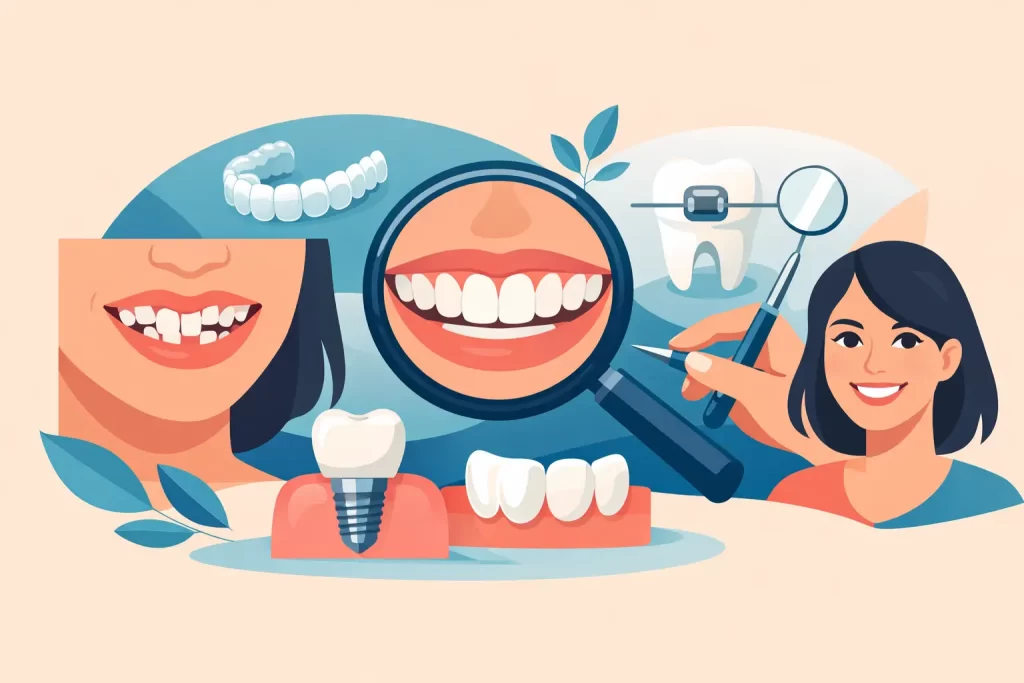
Best Options for Crooked Teeth That Fit Your Smile
A tooth that turns inward in photos, crowding that makes flossing frustrating, or a bite that feels slightly off can affect more than your appearance. The best options for crooked teeth depend on what is causing the misalignment, how much movement is needed, and whether your priority is oral health, appearance, or both. A personalized dental assessment is the right place to begin – not every uneven smile needs the same solution.
Why Crooked Teeth Deserve Attention
Crooked teeth are common, and mild unevenness is not always a dental emergency. Still, teeth that overlap or sit out of position can create tight spaces where plaque is harder to remove. Over time, this may increase the risk of cavities, gum inflammation, staining, and uneven wear.
Alignment can also affect how your teeth meet when you bite. If one or two teeth take more pressure than they should, they may chip, wear down, or become sensitive. For some patients, correcting alignment is primarily a confidence decision. For others, it is part of protecting their natural teeth for the long term.
The goal is not to create a copy-and-paste smile. It is to choose treatment that supports a healthy bite and gives you a smile you feel comfortable sharing.
Best Options for Crooked Teeth: Start With the Cause
Before selecting a treatment, your dentist will look at the position of your teeth, gums, jaw relationship, bite, and any existing dental work. Digital X-rays and intraoral images can help reveal concerns that are not obvious in a mirror, such as decay between crowded teeth, bone support, or a tooth that has shifted because of a missing neighbor.
A small gap, a rotated front tooth, and significant crowding are very different concerns. The right recommendation may also change if you have active gum disease, untreated cavities, crowns, or missing teeth. Addressing those needs first creates a healthier foundation for cosmetic or orthodontic treatment.
Clear Aligners for Subtle, Removable Treatment
Clear aligners are custom-made, transparent trays that gradually guide teeth into a better position. They are a popular choice for adults and working professionals who want a discreet option and the flexibility to remove their trays for meals and brushing.
Aligners can work well for mild to moderate crowding, spacing, or relapse after previous braces. They require consistency. Most treatment plans call for wearing them for about 20 to 22 hours each day, switching trays as directed, and attending progress visits. If trays are often left out, treatment can take longer or may not produce the planned result.
Their convenience is a major benefit, but aligners are not ideal for every bite or every level of tooth movement. More complex rotations, severe crowding, and significant bite problems may need a different approach. A professional assessment helps determine whether clear aligners can deliver a predictable result for your smile.
Traditional Braces for More Complex Movement
Braces use brackets and wires to apply controlled pressure to the teeth. While they are more visible than clear aligners, they remain one of the most reliable treatments for complex crowding, pronounced rotations, and bite correction.
Because braces stay in place, they do not depend on remembering to wear trays. That can be helpful for teenagers, patients with more extensive treatment needs, or anyone who prefers a fixed option. The trade-off is that brushing around brackets and wires takes extra care, and certain sticky or hard foods may need to be avoided.
Treatment time varies widely. Some cases may improve within months, while more comprehensive orthodontic correction can take a year or longer. What matters most is not choosing the fastest-looking option, but choosing the option that can safely achieve the result you need.
Cosmetic Bonding for Small, Targeted Changes
Dental bonding uses tooth-colored composite material to refine the visible shape of a tooth. It can sometimes make a slightly rotated, chipped, short, or uneven front tooth appear more balanced. Bonding can also close small gaps when orthodontic movement is not necessary or is not your preference.
This approach is typically conservative because little to no natural tooth structure may need to be removed. It is often completed efficiently and can blend naturally with surrounding teeth. However, bonding does not physically move teeth or correct a bite problem. The material can also stain, chip, or wear over time and may need maintenance.
Bonding is best viewed as a thoughtful cosmetic finish for the right case, not a replacement for orthodontic treatment when teeth need meaningful movement.
Veneers for a Carefully Planned Smile Makeover
Veneers are thin, custom-made coverings placed over the front surface of teeth. They can improve the appearance of minor crookedness, uneven shape, discoloration, small gaps, and worn edges at the same time. For patients seeking a more dramatic cosmetic change, veneers may be part of a comprehensive smile plan.
The key word is planned. Veneers can make teeth look straighter, but they do not reposition roots or correct significant crowding and bite concerns. In many cases, a small amount of enamel is prepared to create a natural fit, so this is a long-term decision. Veneers may eventually need replacement, and good oral hygiene remains essential.
A dentist should assess whether veneers will look proportionate and allow for healthy gums and a stable bite. When they are recommended thoughtfully, they can provide a polished, natural-looking result.
Crowns When Alignment and Tooth Damage Overlap
A dental crown is usually recommended to restore a tooth that is weakened by extensive decay, a large old filling, fracture, or root canal treatment. If that tooth is also misshapen or mildly out of line, a crown can improve its appearance while restoring strength and function.
Crowns are not generally the first choice for healthy crooked teeth. Preserving natural tooth structure is always worth considering. But when a damaged tooth already needs protection, a well-designed crown can be an important part of restoring a more harmonious smile.
What About DIY Aligners or Cosmetic Shortcuts?
It can be tempting to choose the lowest-cost or quickest option, especially when the concern is visible in the front of the smile. However, teeth move through bone and gum tissue, not just through plastic trays. Without an in-person examination and appropriate monitoring, problems such as gum recession, bite changes, loose teeth, or untreated decay can be missed.
Cosmetic shortcuts also deserve careful consideration. Filing down healthy teeth to make them look straighter can be irreversible. Covering a crowded smile without checking the bite may create future discomfort or uneven wear. A professional plan protects your health as well as your appearance.
Choosing the Right Treatment for Your Lifestyle
The best treatment often comes down to a practical balance. Clear aligners may suit someone who can wear them consistently and wants a removable, low-profile option. Braces may be the better choice when movement is more complex or compliance is a concern. Bonding and veneers can be valuable when the concern is minor and primarily cosmetic, while crowns serve teeth that also need structural repair.
Budget and timing matter, too. Ask about the expected treatment length, number of visits, home-care requirements, likely maintenance, and payment options before making a decision. A clear conversation prevents surprises and helps you choose confidently.
For children and teens, timing is especially important because the jaw and permanent teeth are still developing. Early assessments can identify crowding, crossbites, or habits that may benefit from monitoring or timely intervention. For adults, it is never too late to explore appropriate options, provided the teeth and gums are healthy enough for treatment.
Keeping Your New Smile Straight
After orthodontic treatment, retainers are essential. Teeth have a natural tendency to shift over time, particularly in the lower front teeth. Your dentist will advise you on the type of retainer and wearing schedule that fits your treatment plan.
Daily brushing, flossing, routine cleanings, and regular dental exams also help protect your result. If you grind your teeth, a night guard may be recommended to reduce pressure on enamel, bonding, veneers, or crowns. Small habits can make a meaningful difference in the longevity of your smile.
At Restorative Dental Jamaica, treatment conversations begin with listening. Whether you are considering aligners, cosmetic improvements, or restorative care, you deserve an option that feels comfortable, looks natural, and respects the health of your teeth. A professional assessment can turn uncertainty about your smile into a clear, manageable next step.
Leave a reply







Leave a reply