
Broken Molar Repair Options That Save Your Tooth
That sharp edge you feel when you chew is more than an inconvenience. A cracked or broken molar can let bacteria reach the inner tooth, worsen sensitivity, and turn a manageable repair into a painful emergency. The good news is that several broken molar repair options can preserve your natural tooth, restore comfortable chewing, and help you avoid unnecessary tooth loss.
Molars do a great deal of work. Their broad chewing surfaces absorb significant pressure every day, so a small fracture can spread when it is left untreated. If you have broken a tooth, especially if there is pain, swelling, a loose piece, or sensitivity to hot and cold foods, arranging a dental assessment promptly is the kindest choice for both your comfort and your smile.
What determines the right broken molar repair option?
The best treatment depends less on how the tooth looks in the mirror and more on what is happening beneath the surface. A dentist will assess the size and location of the break, whether decay is present, how much healthy tooth structure remains, and whether the nerve inside the tooth has been affected.
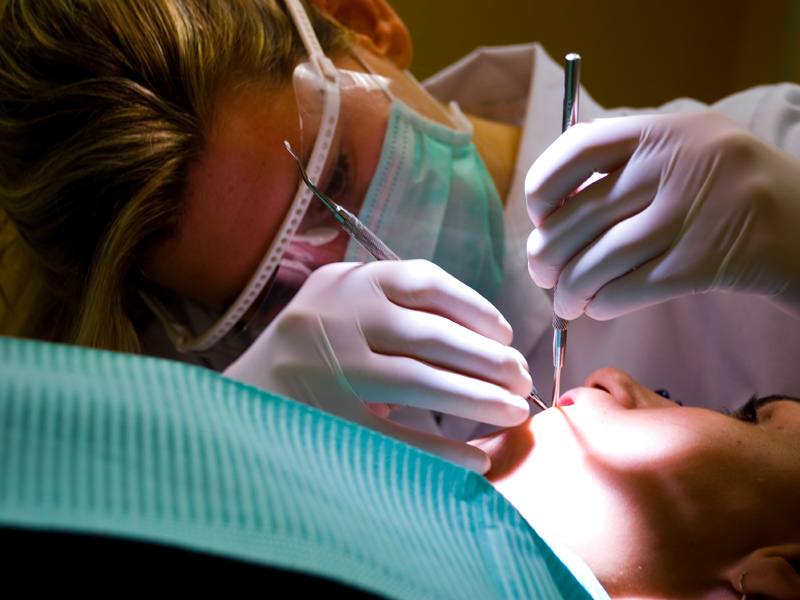
Digital X-rays and an intraoral examination can help reveal cracks, infection, and damage below the gum line that may not be visible otherwise. Your bite matters too. A molar that has weakened after a large filling, for example, may need more protection than a small chip on a stable tooth.
Where possible, the goal is to keep your natural tooth. It provides the most natural feel and helps maintain the balance of your bite. Still, each treatment has its place, and a personalized recommendation should consider your oral health, comfort, timeline, and budget.
White fillings for small breaks and decay
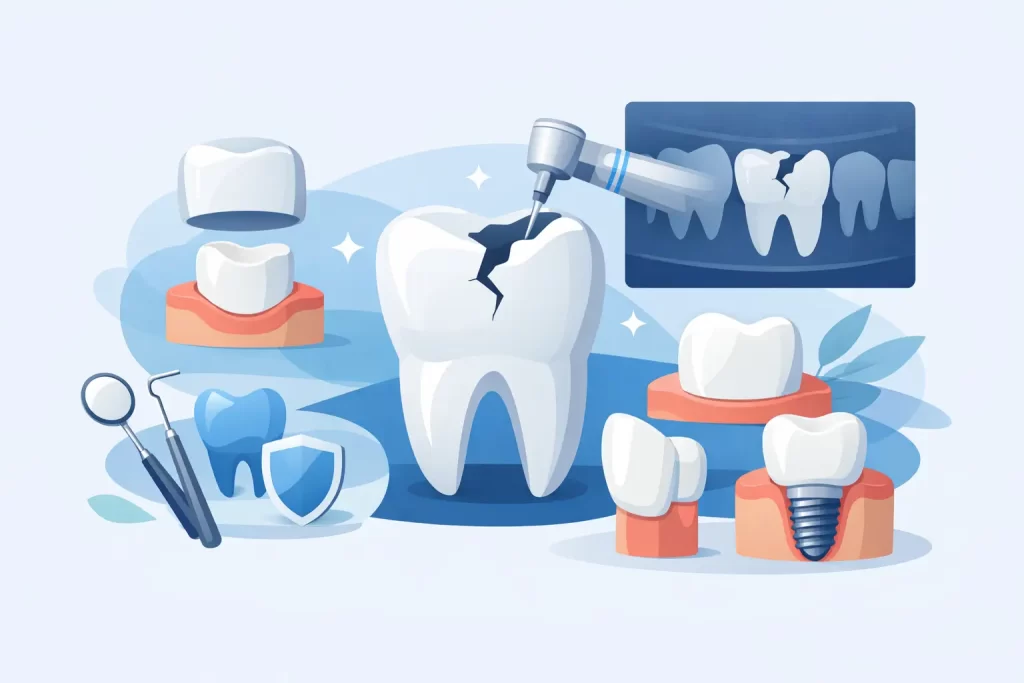
For a minor chip, a small broken cusp, or a cavity that has caused part of the molar to break away, a tooth-colored filling may be an excellent solution. The damaged or decayed material is carefully removed, and a composite resin is shaped to rebuild the missing area.
White fillings blend naturally with the tooth and can often be completed in one appointment. They work best when the remaining tooth is strong and the damaged area is relatively limited. If a large portion of the chewing surface is missing, however, a filling alone may be more likely to crack or wear under pressure. In that case, a stronger restoration may offer better long-term protection.
Dental bonding for a small visible edge
Bonding also uses tooth-colored composite material, but it is commonly chosen for a small chip or edge that needs reshaping. While molars are less visible than front teeth, a smooth, properly contoured surface can make a real difference when you bite or chew.
Bonding is conservative because it generally requires minimal removal of healthy tooth structure. It is not always the most durable choice for a heavily loaded molar, but it can be a practical repair when the break is minor and the tooth is otherwise healthy.
Crowns for a weakened or severely broken molar
A dental crown is often recommended when a molar has a large fracture, extensive decay, a very large old filling, or significant loss of structure. Think of a crown as a custom-made protective cover for the entire visible portion of the tooth. It restores the tooth’s shape and strength while helping distribute biting forces more evenly.
Crowns are especially valuable after a tooth has been weakened by decay or has fractured around an older filling. Rather than repeatedly patching a tooth that no longer has enough stable structure, a crown can provide the support needed to keep it functioning comfortably.
Receiving a crown usually involves preparing the tooth, taking precise impressions or scans, and fitting a restoration designed for your bite. The process is carefully planned to maintain as much healthy tooth as possible. A crown is a more involved investment than a filling, but for the right tooth, it can be the difference between preserving it and losing it later.
Root canal therapy when the nerve is affected
Not every broken molar needs root canal therapy. But if the fracture or decay has reached the pulp – the soft inner tissue containing nerves and blood vessels – the tooth may become inflamed or infected. Persistent throbbing pain, lingering sensitivity to heat, pain when biting, gum swelling, or a pimple-like bump near the tooth can all be warning signs.
Root canal therapy removes infected or damaged tissue from inside the tooth, cleans the canals, and seals them to help prevent further infection. The tooth is then restored, often with a crown, because a root canal-treated molar usually needs additional protection from biting pressure.
Many patients feel anxious when they hear the words “root canal,” often because of outdated stories. With modern techniques, local anesthesia, and a calm, attentive approach, treatment is focused on relieving pain and saving the tooth. Waiting when infection is present can allow the problem to spread, so timely care matters.
When extraction may be the healthier choice
Dentists work to save teeth whenever it is predictable and beneficial to do so. However, extraction may be recommended if a crack extends deeply below the gum line, the tooth is split into separate sections, there is too little healthy structure left to restore, or severe infection and bone loss have compromised the tooth’s support.
An extraction is not a failure. In some cases, it is the safest route to eliminate pain and protect surrounding oral health. If a molar must be removed, your dentist can discuss replacement options that help prevent neighboring teeth from shifting and restore chewing function. The right next step depends on the location of the missing tooth, the health of surrounding teeth and gums, and your personal treatment goals.
What to do before your dental appointment
A broken molar deserves attention even if it is not painful yet. Until you are seen, avoid chewing on that side and choose softer foods that are less likely to place pressure on the tooth. If a sharp edge is irritating your tongue or cheek, dental wax can provide temporary coverage.
Keep the area clean by brushing gently and rinsing with warm salt water. Over-the-counter pain medication may help when used as directed and when appropriate for your health history. Do not place aspirin directly on the tooth or gums, as this can irritate the tissue.
If you can find the broken piece, bring it to the appointment in a clean container. It may not always be possible to reattach it, but it can help your dentist understand how the fracture occurred. Avoid using household glue or attempting a do-it-yourself repair. These materials are not designed for the mouth and can complicate treatment.
Seek urgent dental care if you have facial swelling, fever, severe pain, uncontrolled bleeding, trouble swallowing, or difficulty breathing. These symptoms can signal a more serious infection or injury that should not wait.
Protecting a repaired molar for the long term
After a molar is restored, consistent home care and regular dental visits help protect the result. Brush twice daily with fluoride toothpaste, clean between your teeth each day, and attend recommended exams and cleanings. Small areas of wear or recurrent decay can often be addressed early before they threaten a restoration.
If you clench or grind your teeth, mention it during your visit. Grinding can place intense stress on molars, fillings, and crowns, particularly at night. A custom protective appliance may be suggested to reduce that pressure. Avoiding ice, hard candy, and using your teeth to open packaging can also prevent a repeat fracture.
At Restorative Dental Jamaica, treatment begins with listening to your concerns and examining the tooth carefully. Whether your molar needs a conservative white filling, a protective crown, root canal therapy, or another solution, you deserve clear answers and a comfortable plan that supports your long-term oral health.
A broken molar rarely improves on its own, but early care can often make the repair simpler. Taking that first step now gives your tooth the best chance to stay strong, functional, and part of your smile for years to come.
Leave a reply







Leave a reply