
Can Veneers Fix Crooked Teeth? What to Know
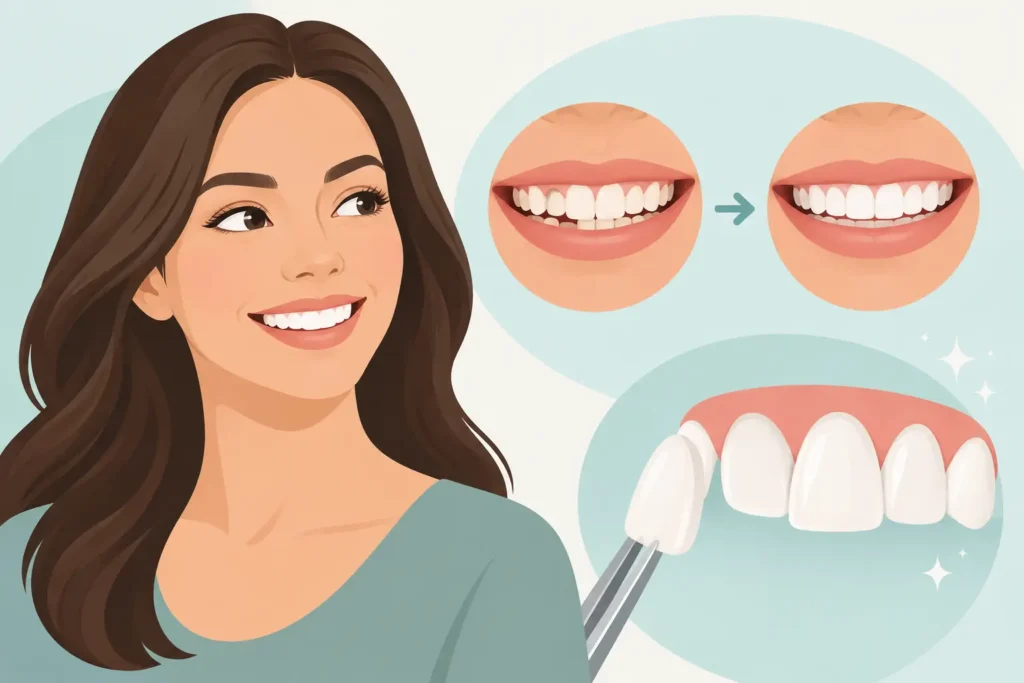
A tooth that sits slightly behind its neighbor, a small gap, or unevenly shaped front teeth can draw your eye every time you smile. So, can veneers fix crooked teeth? In the right situation, veneers can make mildly crooked-looking teeth appear straighter, more balanced, and brighter. They do not physically move teeth, however, so the best choice depends on how much misalignment is present and the health of your bite.
At Restorative Dental Jamaica, we believe a confident smile should also be a healthy, comfortable one. A personalized assessment helps determine whether veneers are a suitable cosmetic solution or whether teeth aligners, bonding, or another treatment would protect your natural teeth more effectively.
Can Veneers Fix Crooked Teeth or Just Cover Them?
Veneers are thin, custom-made shells that are bonded to the front surface of teeth. Usually made from porcelain or a tooth-colored composite material, they can change a tooth’s visible shape, size, color, and position. By carefully designing the veneer, a dentist can make a tooth that is slightly rotated, narrow, chipped, or uneven appear properly aligned with the rest of the smile.
This is why veneers are sometimes called an instant smile makeover. Once treatment is complete, the teeth can look straighter without the months or longer that orthodontic treatment may require. For patients preparing for a special occasion or simply ready to feel more comfortable in photographs and conversations, that can be very appealing.
Still, veneers are a camouflage treatment, not orthodontics. They improve what people see on the front of the teeth, but they do not shift tooth roots, change jaw position, or correct a bite problem. If teeth are significantly crowded, protruding, overlapping, or causing discomfort when you bite, placing veneers alone may not be the healthiest answer.
When Veneers May Be a Good Option
Veneers can be a thoughtful option when the crookedness is mild and the teeth and gums are healthy. For example, a front tooth that turns slightly inward, looks shorter than the adjacent teeth, or has a small gap beside it may be reshaped visually with veneers. They can also be especially useful when alignment concerns come with other cosmetic concerns, such as staining that whitening cannot fully improve, worn edges, small chips, or irregular tooth shape.
The treatment can create a more consistent smile by bringing several visible teeth into better proportion. A dentist considers the shape of your face, your smile line, the color of surrounding teeth, and how much tooth structure is available before recommending a design. The aim should be a smile that looks like it belongs to you, not one that appears overly large or artificial.
Porcelain veneers are valued for their natural translucency and resistance to staining. Composite veneers or bonding may be appropriate for smaller changes and may involve less preparation, although they can stain or chip more easily over time. The right material is based on your goals, bite, budget, and the condition of your teeth.
A healthy foundation comes first
Before cosmetic treatment, concerns such as tooth decay, gum inflammation, old failing fillings, or teeth grinding should be addressed. Veneers bond best to healthy tooth enamel, and they are not a substitute for treating active dental problems.
If you clench or grind your teeth, a nightguard may be recommended to protect your veneers and natural teeth. This simple step can make a major difference in the long-term success of cosmetic work.
When Teeth Aligners May Be Better Than Veneers
Clear aligners are often the more conservative choice when teeth need to be genuinely moved into a healthier position. They can gradually correct crowding, gaps, and certain bite concerns while preserving the natural front surfaces of the teeth. After alignment, whitening, bonding, or limited veneers can be considered if you still want refinements to color or shape.
Aligners require patience and consistent wear, but they can be worthwhile when a tooth is substantially rotated or displaced. Trying to cover severe misalignment with veneers may require removing more natural enamel than is ideal or creating restorations that are too bulky. A result can look less natural and may be harder to keep clean.
Your bite matters here. When upper and lower teeth do not meet properly, excess force can fall on veneers and raise the risk of chipping, cracking, or loosening. A careful dental assessment, including digital imaging when appropriate, allows your dentist to evaluate both the appearance of your smile and the way it functions.
What Happens During Veneer Treatment?
The process begins with a consultation focused on what you would like to change. Bring up the details that bother you, whether that is one crooked tooth, uneven edges, dark discoloration, or a smile that feels too narrow. Your dentist will examine your teeth and gums, discuss your oral health history, and explain the treatment options that suit your needs.
For traditional porcelain veneers, a small amount of enamel may be reshaped to make room for the restoration. Impressions or digital scans are then used to create veneers that fit precisely. Temporary veneers may be placed while the final restorations are being made. At the fitting appointment, the dentist checks the shape, shade, fit, and bite before bonding the veneers securely in place.
Some people are candidates for minimal-prep veneers, which require little or no enamel removal. This is not suitable for every smile. If teeth already sit forward or overlap, adding material without preparation can make them look too prominent. An honest consultation should include this trade-off rather than promising a one-size-fits-all approach.
How Long Do Veneers Last?
With attentive care, porcelain veneers can last many years. Their lifespan varies according to your bite, oral hygiene, diet, habits, and whether you wear protection for grinding. Although porcelain is strong, it is not indestructible. Avoid using your teeth to open packages or bite hard objects, and take care with very hard foods.
Daily brushing with a non-abrasive toothpaste, flossing around each tooth, and regular professional cleanings help keep both your veneers and gums healthy. Veneers themselves cannot decay, but the natural tooth underneath and around the edges still can. Healthy gums are also essential for keeping the smile line attractive.
It is also wise to understand that veneers are a long-term commitment. Once enamel is adjusted for a traditional veneer, that tooth will generally need a veneer or another restoration in the future. This does not make veneers a poor choice, but it is a decision worth making with clear expectations.
Questions Patients Often Ask
Can I get veneers on only one crooked tooth?
Yes, in some cases. A single veneer can improve one tooth that looks out of place, chipped, or discolored. Matching the shade and character of surrounding natural teeth takes careful planning, especially if you have not whitened your teeth recently.
Are veneers painful?
Treatment is designed to be comfortable. Local anesthetic may be used if tooth preparation is needed, and some patients experience mild sensitivity afterward. This typically settles as the tooth adjusts, but any ongoing sensitivity should be reviewed promptly.
Can veneers close gaps as well as correct crooked-looking teeth?
They can close small gaps and improve the proportions of front teeth. Larger spaces or gaps related to bite, tongue habits, or gum concerns may be better addressed with aligners or other treatment first.
A straighter-looking smile can be life-changing, but the most beautiful result is one that respects your natural teeth and feels comfortable every day. If you are considering veneers for crooked teeth, schedule a consultation to explore your options with confidence and choose a plan that supports your smile for years to come.
Leave a reply







Leave a reply