
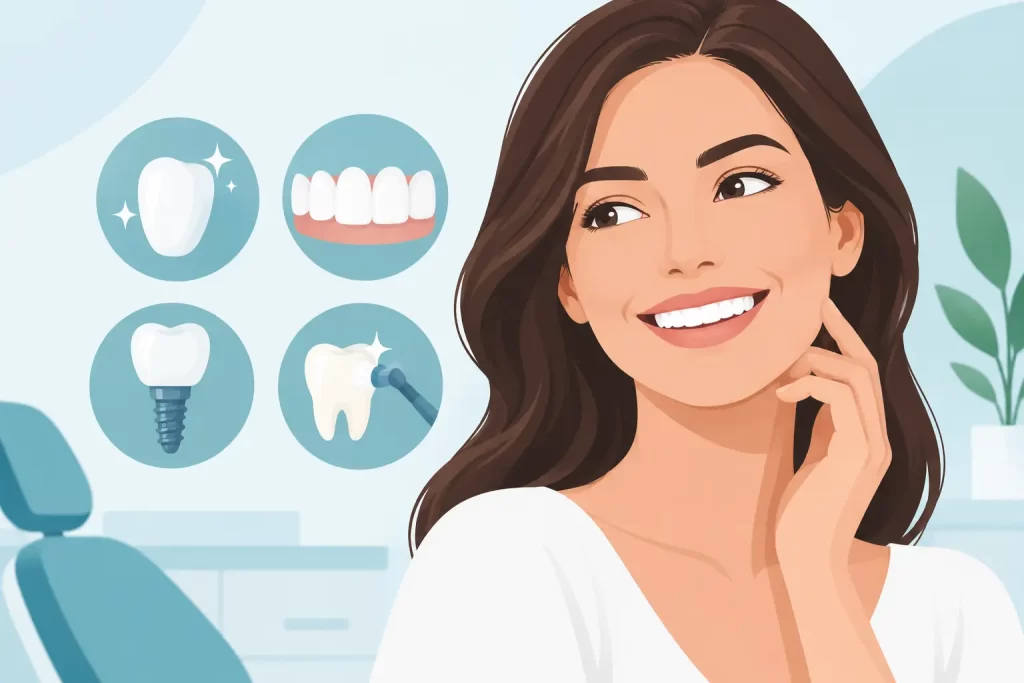
Cosmetic Dentistry Options for a Confident Smile
A smile can change the way you feel before you say a word. If you find yourself covering your mouth in photos, avoiding certain foods because of a damaged tooth, or wishing your teeth looked brighter and more even, cosmetic dentistry may offer a practical path forward. The right treatment is not about creating someone else’s smile. It is about helping your natural smile look healthy, balanced, and unmistakably yours.
At Restorative Dental Jamaica, cosmetic care is approached with the same attention given to every aspect of oral health: thoughtfully, comfortably, and with your long-term wellbeing in mind. A beautiful result should also be one that supports comfortable function and protects as much healthy tooth structure as possible.
What Cosmetic Dentistry Can Improve
Cosmetic dentistry focuses on the appearance of teeth and gums, but appearance and dental health often overlap. A chipped front tooth, for example, can affect confidence while also leaving an edge vulnerable to further damage. Dark staining may be only a cosmetic concern, while discoloration in one tooth can sometimes signal a need for a dental assessment before whitening begins.
Treatment can address concerns such as tooth color, chips, small gaps, uneven edges, worn teeth, mild crowding, and teeth that appear short or misshapen. It can also improve the look of older restorations when they no longer match surrounding teeth. The most suitable option depends on your teeth, bite, gum health, lifestyle, timeline, and budget.
A careful consultation matters because not every concern needs the most extensive treatment. In many cases, a conservative option such as professional whitening or bonding can make a meaningful difference. In other cases, a crown, veneer, or aligner treatment may provide a more durable result.
Popular Cosmetic Dentistry Treatments
Professional teeth whitening
Teeth can become stained over time from coffee, tea, wine, tobacco, certain foods, and natural aging. Professional teeth whitening is designed to lift many of these surface and internal stains more effectively and predictably than store-bought products.
Whitening works best on natural tooth enamel. It will not change the shade of crowns, veneers, fillings, or bonding, so it is wise to plan the order of treatment with your dentist. If you are replacing a visible crown or filling, whitening first may help your new restoration be matched to your preferred shade.
Some patients experience temporary sensitivity after whitening. This is usually manageable, and your dentist can advise whether whitening is appropriate for you, especially if you have cavities, gum irritation, cracked teeth, or existing sensitivity.
Dental bonding
Bonding uses tooth-colored composite material to repair chips, close small gaps, soften uneven edges, or improve the shape of a tooth. It is often one of the most conservative cosmetic options because little or no natural tooth structure may need to be removed.
For the right patient, bonding can provide an attractive improvement in a single visit. However, composite material can stain or chip over time, particularly for people who bite their nails, chew ice, or grind their teeth. Regular polishing and occasional touch-ups may be needed to keep it looking its best.
Veneers
Veneers are thin, custom-made coverings placed on the front surface of teeth. They can create a more uniform appearance when teeth are deeply stained, unevenly shaped, worn, chipped, or affected by small gaps.
Veneers can be an excellent choice when a patient wants a significant cosmetic change, but they are not a casual decision. Traditional veneers usually require some preparation of the tooth, making the treatment irreversible. They also need thoughtful daily care and should be protected from grinding or biting hard objects. A personalized assessment helps determine whether veneers are the right investment or whether a less invasive option can meet your goals.
Teeth aligners
Clear aligners gradually move teeth into improved positions using a series of custom trays. They can be a discreet option for adults and older teens with mild to moderate spacing, crowding, or alignment concerns.
Aligners require commitment. They must be worn as directed, removed for meals and certain drinks, and kept clean. They may not be the best solution for every bite or complex orthodontic concern. Still, when appropriate, straighter teeth can improve smile balance and make daily cleaning easier in areas that were previously crowded.
Crowns and tooth-colored restorations
Some cosmetic concerns begin with a tooth that is weakened, fractured, heavily filled, or affected by decay. In those situations, restoration comes first. A tooth-colored filling or a custom dental crown can rebuild strength while improving the tooth’s shape and color.
This is where restorative and cosmetic treatment work together. A crown is not simply a cosmetic cover. It is designed to protect a damaged tooth, restore function, and blend naturally with the smile. Preserving a natural tooth whenever possible is often the best foundation for a confident result.
Choosing a Treatment That Fits Your Smile
The best cosmetic plan is personal. Someone preparing for a wedding in a few months may benefit from whitening and minor bonding. Another patient may have an old front crown, uneven tooth color, and a history of grinding, which calls for a more detailed plan. There is no single treatment that is right for every smile.
Your dentist should begin by listening to what you would like to change and what you would prefer to keep. Digital x-rays and intraoral cameras can help identify issues that may not be visible in a mirror, such as decay around an old filling or a crack beneath a worn tooth. Addressing these concerns first protects the outcome of any cosmetic work.
It is also helpful to be clear about your priorities. Do you want the most conservative option? The fastest visible change? The longest-lasting material? A phased plan that fits your budget? Honest answers allow your dentist to recommend care that is realistic, not one-size-fits-all.
A Healthy Foundation Makes Results Last
Cosmetic treatment is most successful when teeth and gums are healthy. Before whitening, veneers, or bonding, any active decay, gum inflammation, infection, or bite problem should be evaluated and treated. This is not a delay for its own sake. It helps prevent discomfort, protects your investment, and gives your smile a stronger foundation.
Daily habits matter after treatment, too. Brush twice a day with a fluoride toothpaste, clean between teeth daily, and schedule routine examinations and professional cleanings. If you grind your teeth, a protective night guard may be recommended to help protect veneers, bonding, crowns, and natural enamel.
Food and drink choices can also affect longevity. Coffee, tea, red wine, and tobacco can stain natural teeth and composite bonding. You do not have to give up everything you enjoy, but rinsing with water afterward, maintaining regular cleanings, and avoiding tobacco can help preserve a brighter appearance.
What to Expect at a Cosmetic Consultation
A cosmetic consultation should feel like a conversation, not a sales pitch. You can discuss what bothers you about your smile, your dental history, any sensitivity or jaw discomfort, and your expectations for treatment. Your dentist will examine your teeth, gums, bite, and existing dental work before discussing suitable options.
You may receive more than one recommendation. That is often a good sign, because it means you can weigh the benefits and trade-offs. For example, whitening may be the simplest first step, while veneers may offer greater control over shape and color. Bonding may cost less initially, but a veneer or crown may be more durable in certain situations.
Ask how long treatment may take, how to care for the result, whether future replacement or maintenance is likely, and what happens if you have tooth sensitivity or an unexpected issue. Feeling informed is part of feeling comfortable with your decision.
A confident smile does not need to be perfect or artificial. It should feel natural when you laugh, speak, and meet people face to face. Starting with a professional assessment can help you choose cosmetic care that respects your goals, protects your oral health, and gives you a reason to smile more freely.
Leave a reply







Leave a reply