
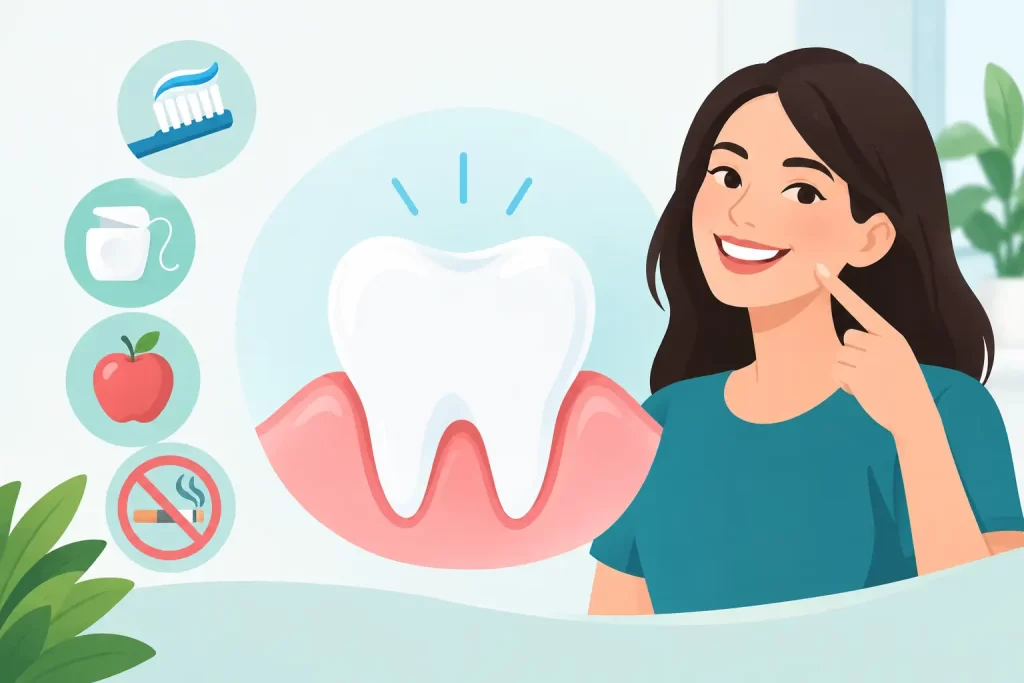
Gum Disease Prevention Guide for Healthier Smiles
A little blood in the sink after brushing is easy to dismiss, especially during a busy morning. But healthy gums should not bleed regularly. This gum disease prevention guide explains the everyday choices and professional care that can help protect your gums, preserve your natural teeth, and keep your smile feeling fresh and confident.
Gum disease often begins quietly. Plaque, a sticky film of bacteria, collects along and below the gumline. If it is not removed consistently, the gums can become irritated and inflamed. Over time, that inflammation may progress from gingivitis to more serious periodontal disease, which can damage the bone and tissues that hold teeth in place.
The encouraging news is that early gum disease is often preventable and manageable with attentive home care and regular dental visits. The goal is not perfection. It is a routine you can realistically maintain, paired with professional support when plaque has hardened into tartar or your gums need closer attention.
Why Gum Health Deserves Attention
Gums do more than frame your smile. They create a protective seal around each tooth and support the structures that keep it stable. When gum disease advances, teeth may begin to feel loose, spaces can appear, and chewing may become uncomfortable. Treating disease at that stage can be more involved than preventing it early.
Gum disease can also affect how you feel day to day. Persistent bad breath, tenderness, swelling, and bleeding may make you self-conscious in conversations or at work. Early care helps address these concerns before they become a source of discomfort or a threat to tooth preservation.
Some people are more likely to develop gum problems even with a reasonable brushing routine. Smoking or vaping, diabetes that is not well controlled, certain medications that cause dry mouth, hormonal changes, and a family history of periodontal disease can all play a role. That does not mean gum disease is inevitable. It simply means a personalized prevention plan and regular monitoring matter even more.
Your Daily Gum Disease Prevention Guide
The most effective routine is usually the one that is simple enough to repeat every day. Brushing alone is valuable, but it cannot fully clean between teeth or below the gumline. Give your gums attention from more than one direction.
Brush gently and thoroughly
Brush twice daily for about two minutes using a soft-bristled toothbrush and fluoride toothpaste. Angle the bristles gently toward the gumline and use small, controlled motions. Scrubbing hard does not provide a deeper clean. In fact, aggressive brushing can irritate the gums and contribute to wear near the tooth roots.
An electric toothbrush can be helpful for many patients because its timer and small brush head make it easier to clean consistently. A manual toothbrush can work very well too when used with good technique. Replace your toothbrush or electric brush head about every three months, or sooner if the bristles are bent and worn.
Clean between your teeth every day
Plaque builds where toothbrush bristles cannot easily reach. Floss, floss picks, interdental brushes, or a water flosser can help clean these spaces. The best choice depends on the shape of your teeth, the size of the spaces between them, and what you will use consistently.
Traditional floss is especially useful when teeth sit close together. Interdental brushes may be more effective for larger spaces, bridges, or certain orthodontic appliances. A water flosser can be a comfortable addition for people who struggle with string floss, but it should not become an excuse to skip the cleaning method your dental team recommends.
When using floss, guide it gently around the side of each tooth in a C shape and move it slightly beneath the gumline. Avoid snapping it down forcefully, which can hurt the gum tissue.
Support your mouth with everyday habits
Frequent sugary snacks and sweet drinks feed the bacteria that contribute to plaque buildup. You do not have to eliminate every treat, but limiting constant sipping and grazing gives your teeth and gums a better chance to recover between meals. Water is a smart choice throughout the day, particularly after coffee, juice, or a sweet snack.
Tobacco use is a major concern for gum health. Smoking can mask visible bleeding while making gum disease more severe and healing less predictable. Quitting can be difficult, but it is one of the most meaningful changes you can make for your mouth and overall health.
Dry mouth also deserves attention. Saliva helps wash away food particles and naturally protects the mouth. If your mouth often feels dry, discuss it with your dentist or physician, especially if it began after starting a medication. Drinking water, chewing sugar-free gum when appropriate, and using recommended dry-mouth products may help.
Watch for Early Warning Signs
Gingivitis can be painless, which is why regular checks are so useful. Bleeding during brushing or flossing is one of the most common signs, but it is not the only one. Red, swollen, tender gums, bad breath that returns quickly, a bad taste in the mouth, or gums that appear to be pulling away from the teeth all deserve a dental evaluation.
Do not stop flossing simply because your gums bleed. If plaque is causing inflammation, careful daily cleaning may lead to less bleeding as the gums become healthier. However, bleeding that continues for more than a week or two, or bleeding accompanied by pain, swelling, pus, loose teeth, or gum recession, should be checked promptly.
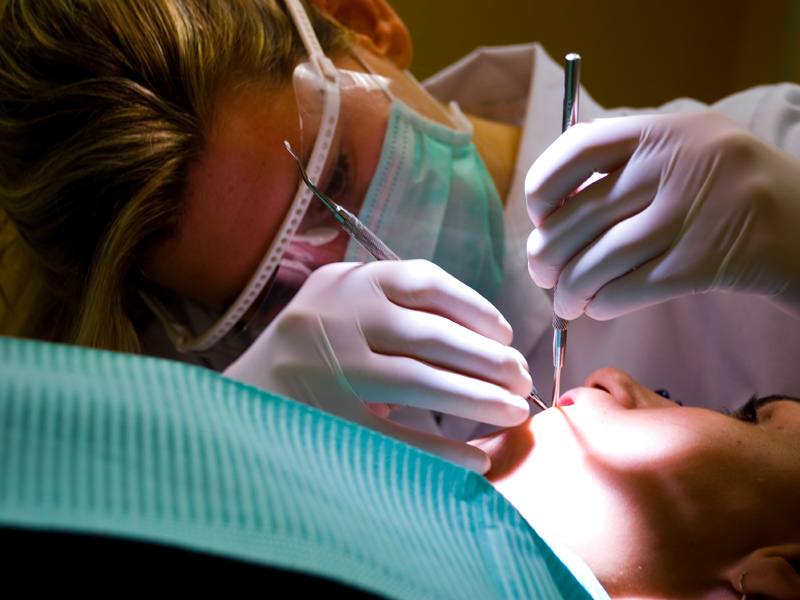
A dental examination can identify concerns that are difficult to see at home. Digital X-rays may show changes below the gumline, while an intraoral camera can help you understand what your dentist sees and why a particular recommendation is being made.
Professional Cleanings Are Part of Prevention
Even careful brushers develop tartar over time. Tartar is hardened plaque that cannot be brushed or flossed away at home. A professional scale and polish removes these deposits and gives your dental team a chance to assess your gums, teeth, restorations, and bite.
For many patients, preventive visits every six months are appropriate. Others may need more frequent periodontal maintenance because of past gum disease, smoking, diabetes, pregnancy-related gum changes, or a tendency to build tartar quickly. There is no one schedule that fits everyone. Your dentist can recommend a plan based on your specific oral health needs.
If your gums are already showing signs of deeper disease, a routine cleaning may not be enough. You may need a more focused periodontal treatment to clean below the gumline and reduce inflammation. Seeking care early generally gives you more options and a better opportunity to protect your natural teeth.
Make Prevention Practical for Your Family
Healthy routines are easier when they are part of the household rhythm. Keep toothbrushes where everyone can reach them, make evening brushing non-negotiable, and help young children until they have the coordination to clean thoroughly on their own. Parents should also watch for bleeding gums in teens with braces, since plaque can collect around brackets and wires more easily.
For working adults, consistency may be the challenge. Keep floss picks or an interdental brush in a desk drawer, car bag, or travel kit so a late day at the office does not turn into a missed routine. Small, repeatable actions are more useful than occasional intense efforts.
At Restorative Dental Jamaica, prevention is approached with the same care as restorative treatment: by listening to your concerns, using modern diagnostic tools, and helping you feel comfortable with every next step. Whether you need a routine cleaning, advice on persistent bleeding, or support after past gum treatment, personalized dental care can make the process feel far more manageable.
Your gums are giving you useful information every day. Pay attention to bleeding, tenderness, and changes in breath or appearance, then act early rather than waiting for discomfort to force the issue. A calm conversation with your dental team and a dependable home routine can help keep your smile healthy, comfortable, and truly your own.
Leave a reply







Leave a reply