
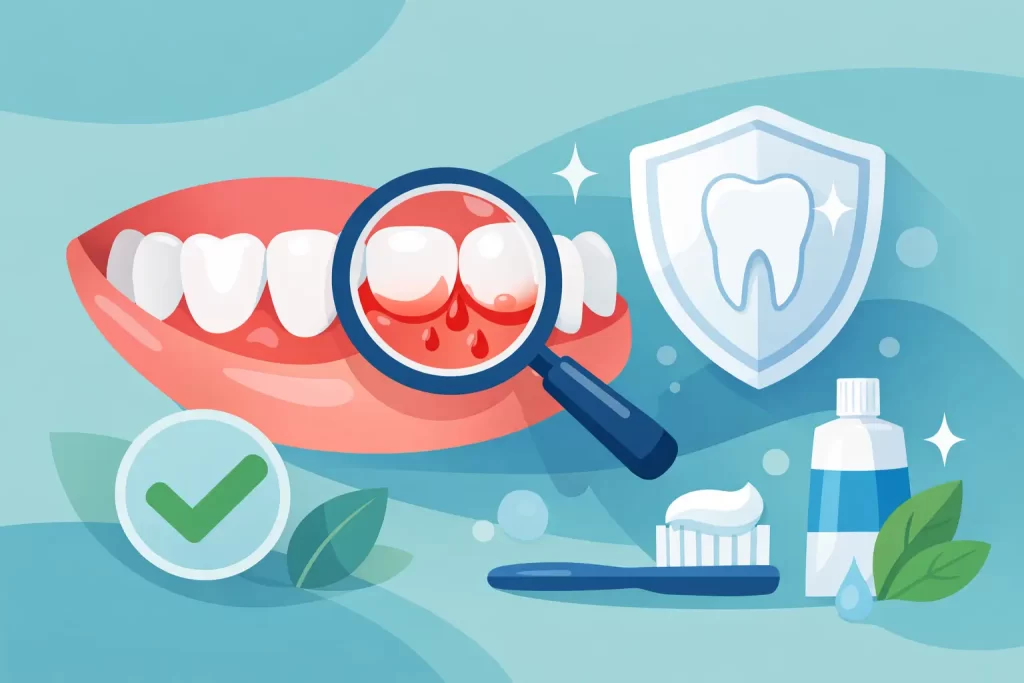
How to Stop Gum Bleeding and Protect Your Smile
A pink streak in the sink after brushing can be easy to dismiss, especially when it does not hurt. But if you are wondering how to stop gum bleeding, the answer usually begins with finding out why your gums are irritated rather than simply brushing less. Healthy gums should not bleed regularly, and early care can often prevent a small concern from becoming a more serious dental problem.
At Restorative Dental Jamaica, we see bleeding gums as a helpful signal from your mouth. With gentle home care and a professional assessment when needed, many patients can improve their gum health, protect their natural teeth, and feel more confident about their smile.
Why gums bleed in the first place
The most common reason for bleeding gums is plaque buildup along the gumline. Plaque is a soft, sticky film of bacteria that develops throughout the day. When it is not removed thoroughly, it can irritate the gums and cause inflammation known as gingivitis. Your gums may look red or puffy, feel tender, or bleed when you brush or floss.
This can happen even when you brush every day. Technique matters. Brushing too quickly, missing the gumline, or avoiding floss because it makes your gums bleed can allow plaque to remain in the areas where gum inflammation begins.
Bleeding may also occur after using a new toothbrush or flossing more consistently than usual. If your gums have been inflamed for some time, they may bleed at first as you begin cleaning between your teeth. In many cases, gentle and consistent care improves this within a week or two.
Other possible causes include brushing too hard, wearing a poorly fitting dental appliance, hormonal changes, smoking, certain medications, nutritional deficiencies, or medical conditions that affect clotting. Gum bleeding is not always caused by gum disease, which is why persistent symptoms deserve personalized dental advice.
How to stop gum bleeding with daily care
The goal is not to avoid the areas that bleed. It is to clean them carefully without causing extra trauma. Use a soft-bristled toothbrush and hold it at a slight angle toward the gumline. With small, gentle motions, clean the outer, inner, and chewing surfaces of every tooth for two full minutes, twice daily.
A firm hand does not mean a cleaner mouth. Aggressive brushing can irritate gum tissue and wear down enamel near the gumline. If the bristles of your brush spread outward quickly, you may be using more pressure than your teeth and gums need.
Clean between your teeth once a day as well. Floss, interdental brushes, or another dentist-recommended tool can remove plaque from spaces your toothbrush cannot reach. If flossing causes mild bleeding at first, continue gently rather than stopping altogether. The bleeding should gradually reduce as inflammation improves. If it does not, schedule a dental visit.
An alcohol-free mouth rinse may feel soothing, but it should support brushing and interdental cleaning, not replace them. Some medicated rinses are useful for specific concerns, yet they are best selected with a dentist’s guidance. The right product depends on the cause of your bleeding and the condition of your gums.
A practical routine for healthier gums
Consistency is more valuable than complicated products. Brush gently in the morning and before bed, clean between your teeth daily, and replace your toothbrush or brush head about every three months, or sooner if the bristles fray. Drinking water after meals and limiting frequent sugary snacks can also reduce the bacteria that contribute to plaque buildup.
If you smoke or use tobacco, stopping is one of the most meaningful steps you can take for your gums. Tobacco can mask some signs of inflammation while increasing the risk of gum disease and slowing healing after treatment. Your dentist can discuss practical support and how tobacco may be affecting your oral health.
When a professional cleaning is the answer
Even excellent brushing cannot remove tartar, also called calculus. This hardened plaque forms when deposits are left on teeth for too long, often around the gumline and behind the lower front teeth. Tartar creates a rough surface that holds more plaque, keeping the gums irritated.
A professional scale and polishing removes these hardened deposits safely and gives your dental team the opportunity to examine your gums closely. For many people, this is the turning point in stopping ongoing bleeding. You may leave with clear advice on the areas that need more attention and the tools that best suit your smile.
If gum inflammation has progressed beyond gingivitis, deeper cleaning may be necessary. Periodontal disease can affect the tissues and bone that support your teeth. It may cause gum recession, persistent bad breath, loose teeth, changes in how your bite feels, or pus around the gums. Early treatment matters because the focus is always on preserving your natural teeth whenever possible.
Signs you should not wait to book a dental visit
A small amount of bleeding after restarting flossing may settle with careful home care. However, regular bleeding is not something to accept as normal. Arrange a dental assessment if it lasts longer than one to two weeks, becomes heavier, or returns repeatedly after improving.
You should also book promptly if bleeding comes with swollen or painful gums, persistent bad breath, gum recession, tooth sensitivity, loose teeth, or discomfort when chewing. These signs do not automatically mean you have advanced gum disease, but they do mean your mouth needs a closer look.
Seek urgent medical care for bleeding that is heavy, does not stop with gentle pressure, occurs after a significant injury, or comes with unusual bruising, weakness, or bleeding elsewhere in the body. Tell both your dentist and physician about medications such as blood thinners, as these can affect bleeding and treatment planning. Never stop prescribed medication without speaking with the clinician who manages it.
Common mistakes that keep gums bleeding
One frequent mistake is switching to a hard toothbrush because it feels more powerful. Hard bristles and heavy pressure can worsen irritation instead of removing the source of it. Choose soft bristles and let the brush do the work.
Another is flossing only when something feels stuck between your teeth. Plaque begins accumulating daily, so occasional cleaning between teeth is rarely enough to settle inflamed gums. A regular, gentle routine gives your gums a real opportunity to heal.
Finally, do not rely on mouthwash to cover up bad breath or bleeding. A fresh taste can be reassuring, but it cannot remove tartar or correct a gum condition on its own. Professional care and a consistent routine address the cause, not just the symptom.
Protecting your smile for the long term
Gum health supports every part of your smile, from natural teeth to crowns, fillings, veneers, dentures, and aligner treatment. When gums are healthy, dental work is easier to maintain and your smile has a stronger foundation.
Regular checkups also make treatment more comfortable and predictable. Digital imaging and close visual examination can help identify plaque-retaining areas, decay, damaged restorations, or changes in the gums before they become more difficult to manage. Whether you have not seen a dentist in years or you are already committed to routine care, you deserve a visit that feels informed, calm, and judgment-free.
Bleeding gums are your cue to be gentle, consistent, and proactive. Start with a soft toothbrush and daily cleaning between your teeth, then give your gums the professional attention they deserve if the bleeding continues. A healthier smile often begins with one appointment and the reassurance of knowing exactly what your gums need.
Leave a reply








Leave a reply