
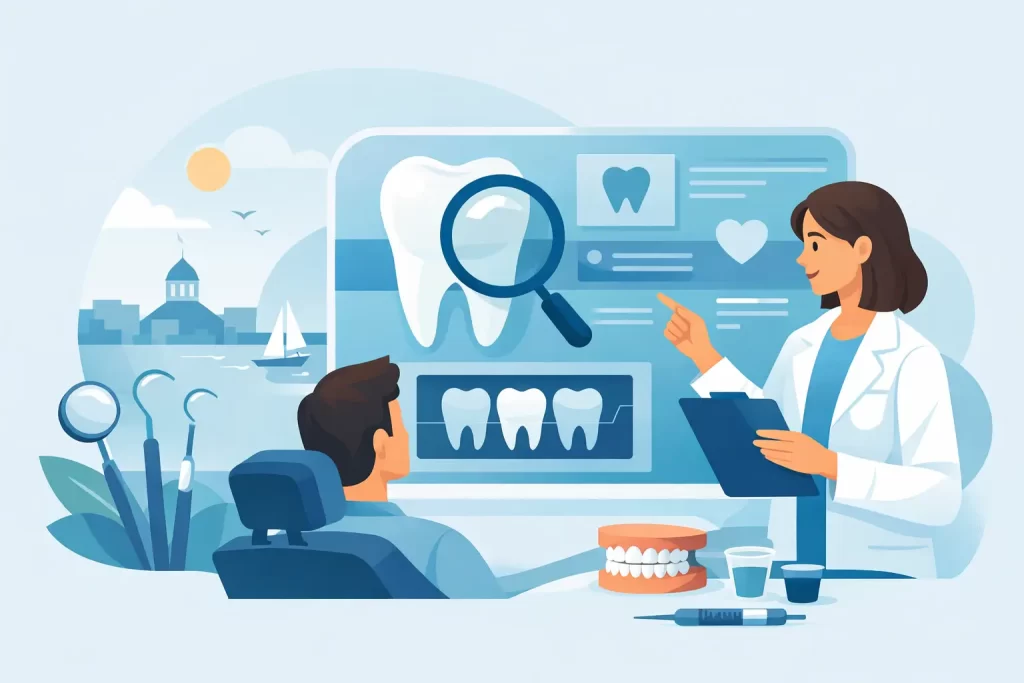
Dental Assessment Appointment Guide for Kingston
A tooth that only hurts when you drink something cold, a filling that feels rough, gums that bleed when you brush – these small changes are often the reason people schedule a visit. This dental assessment appointment guide explains what to expect, so you can arrive feeling prepared rather than uncertain. An assessment is not about judging your oral care. It is a focused conversation and examination designed to understand your needs, protect your natural teeth where possible, and help you make confident decisions about treatment.
What Is a Dental Assessment Appointment?
A dental assessment is a comprehensive check of your teeth, gums, bite, and overall oral health. It gives your dentist the information needed to identify concerns early, investigate symptoms, and recommend care that fits your goals and circumstances.
For some patients, the visit confirms that routine cleaning and good home care are all that is needed. For others, it may reveal early decay, a worn restoration, gum inflammation, a cracked tooth, or a problem below the gumline that cannot be seen in the mirror. Finding an issue early can often mean a simpler, more conservative solution.
A dental assessment is also useful when you are considering cosmetic or restorative treatment. Before whitening, veneers, bonding, aligners, crowns, or dentures, your dentist needs to make sure the foundation of your smile is healthy. Treating active decay or gum disease first helps protect the result you want to achieve.
What Happens During Your Visit?
Your appointment should feel personal, not rushed. The exact process depends on whether you are a new patient, returning for a checkup, experiencing pain, or seeking a specific treatment. Still, most assessments include a few key stages.
A conversation about your health and concerns
Your dentist or dental team will ask about your medical history, medications, allergies, past dental treatment, and any current symptoms. Be honest about discomfort, sensitivity, clicking in the jaw, bleeding gums, bad breath, or anxiety about dental care. Details that may seem minor can help identify the cause of a problem.
It is also the right time to share what matters to you. You may be worried about saving a damaged tooth, replacing a missing tooth, improving the color of your smile, or simply keeping your family’s dental care on track. Clear goals allow your dentist to recommend options that make sense for you.
An examination of your teeth, gums, and bite
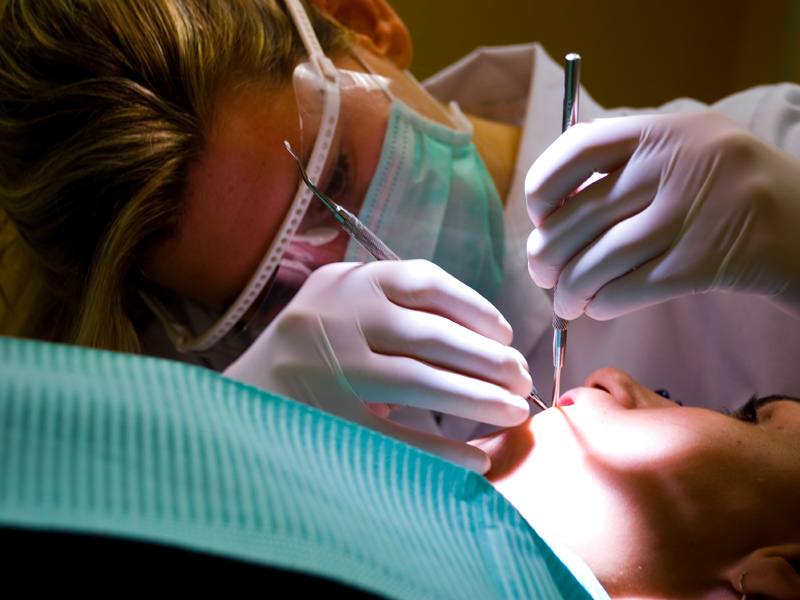
The clinical examination may include checking each tooth for decay, cracks, wear, loose fillings, and signs of infection. Your gums are assessed for inflammation and areas that may need deeper cleaning or closer monitoring. Your dentist may also examine your bite, jaw function, tongue, cheeks, and other soft tissues.
This is not just a search for cavities. A chipped tooth can affect your bite, teeth grinding can wear down enamel, and gum health can influence whether a crown, veneer, or dental implant is appropriate. Looking at the whole picture supports a treatment plan that is built to last.
Digital x-rays or intraoral images when needed
Some conditions are hidden between teeth, beneath existing fillings, under the gums, or around tooth roots. Digital x-rays can help your dentist assess these areas with greater clarity. Intraoral cameras may also be used to show you close-up images of what the dentist sees.
Not every appointment requires the same images. Your dentist will determine what is clinically appropriate based on your symptoms, history, and examination. Seeing the images yourself can make recommendations easier to understand and gives you a more active role in your care.
A clear discussion of findings and next steps
At the end of the assessment, your dentist should explain the findings in straightforward language. If treatment is needed, you may discuss why it is recommended, the available options, expected timing, and what may happen if the issue is delayed.
Sometimes there is more than one reasonable approach. For example, a severely damaged tooth may be restored with a filling or crown depending on how much healthy tooth structure remains. A missing tooth may be replaced in different ways depending on your oral health, budget, and preference. Good care means understanding the benefits and limitations of each option, not feeling pressured into a decision.
How to Prepare for a Dental Assessment Appointment
You do not need to do anything complicated before your visit. Brushing and flossing as usual is enough, and it is helpful to eat beforehand unless you have been given different instructions. A few simple preparations can make the conversation more productive:
- Bring a current list of medications, supplements, allergies, and relevant medical conditions.
- Make a note of when symptoms began, what triggers them, and whether pain is constant or comes and goes.
- Tell the team if you are pregnant, have had recent surgery, or have any health condition that may affect dental treatment.
- Bring your insurance information if applicable, along with any questions about payment options or treatment costs.
If you are nervous, say so when booking and again when you arrive. Dental anxiety is common, including among patients who have delayed visits for years. A caring dental team can explain each step, check in with you during the appointment, and help create a calmer experience.
Questions Worth Asking Your Dentist
A quality assessment should leave you better informed. If something is unclear, ask. You may want to know whether a concern needs immediate care, how urgent it is, what treatment alternatives exist, and how each choice may affect comfort, appearance, durability, and cost.
For restorative care, it can also help to ask whether the tooth can be preserved and what you can do at home to protect it after treatment. When cosmetic treatment is your goal, ask how it fits with your current fillings, crowns, gum health, and natural tooth color. Cosmetic improvements look their best when they are planned around a healthy smile.
Parents can ask about cavity risk, sealants for children, brushing technique, fluoride needs, and the right recall schedule for each child. There is no single schedule that suits everyone. A patient with healthy teeth and low risk may have different needs than someone managing gum disease, frequent decay, or several restorations.
When Should You Book an Assessment Sooner?
Regular assessments are valuable even when you have no pain, but certain symptoms should not wait for your next routine visit. Contact a dental office promptly if you have significant tooth pain, facial swelling, a broken or knocked-out tooth, a loose crown, persistent bleeding gums, or a sore that does not heal.
Sensitivity also deserves attention if it is worsening, lingers after hot or cold foods, or makes eating difficult. Pain may come and go when a tooth is cracked or the nerve is inflamed, but the underlying cause can still progress. Early evaluation can increase the chance of preserving the tooth and avoiding a more extensive procedure.
If a filling falls out or a crown comes loose, keep the restoration if you can and avoid chewing on that side. Do not use household glue to put it back. The dentist will assess the tooth and determine whether the restoration can be re-cemented or needs to be replaced.
Why an Assessment Helps You Plan With Confidence
Dental care is easier to manage when you understand what is happening and why. An assessment turns a vague concern into a practical plan. It may involve preventive care, such as scale and polishing or fissure sealants, restorative care such as white fillings, root canal treatment, crowns, or dentures, or cosmetic options that help you feel more confident about your smile.
At Restorative Dental Jamaica, the focus is on thoughtful, patient-centered care and preserving natural teeth whenever possible. Modern diagnostic technology, clear explanations, and a welcoming environment can make even a long-overdue appointment feel more manageable.
Your next visit does not have to begin with a perfect smile or a perfectly prepared list of questions. It simply needs to begin. Booking a dental assessment gives you a professional view of your oral health and a calm, clear path toward the care your smile needs.
Leave a reply







Leave a reply