
Why Do Gums Bleed When Brushing?
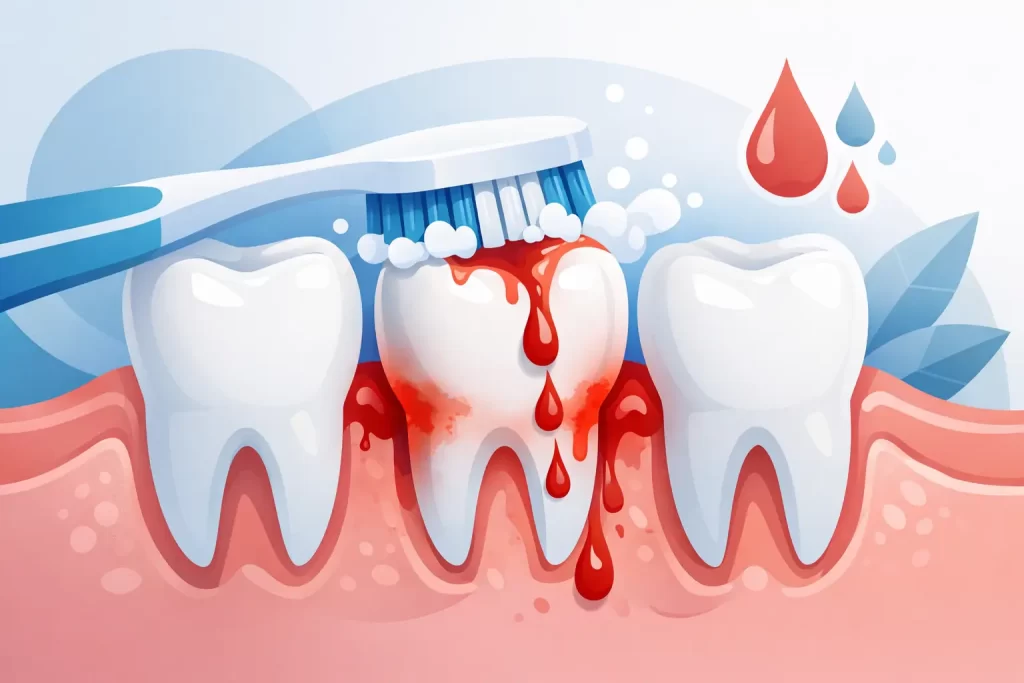
Seeing pink in the sink after brushing can be unsettling. If you have ever wondered why do gums bleed when brushing, the short answer is that your gums are usually irritated, inflamed, or reacting to something that needs attention. Sometimes the cause is minor and easy to correct. Other times, bleeding is an early warning sign that your gums need professional care.
A lot of people assume bleeding means they brushed too hard and should avoid the area. In reality, gums that bleed easily are often telling you they are not as healthy as they should be. The good news is that this is usually something that can be improved, especially when it is caught early.
Why do gums bleed when brushing happens in the first place?
Healthy gums do not usually bleed during normal brushing or flossing. When bleeding happens, the most common reason is plaque buildup along the gumline. Plaque is a sticky film of bacteria that collects on teeth every day. If it is not removed well, it can irritate the gums and lead to inflammation.
That early stage of gum inflammation is called gingivitis. Gingivitis can make your gums look red, feel tender, and bleed when you brush or floss. It is common, but it should not be ignored. Left untreated, it can progress into more serious gum disease that affects the tissue and bone supporting your teeth.
Brushing technique also matters. Using a hard-bristled toothbrush, scrubbing aggressively, or brushing with too much pressure can irritate the gum tissue. Even so, heavy-handed brushing is not always the full story. Often, brushing reveals inflammation that was already there.
Common causes of bleeding gums
The most likely cause is gingivitis, but it is not the only one. There are several reasons your gums may bleed when brushing, and in some cases more than one factor is involved.
Plaque and tartar buildup
This is the most common issue. When plaque stays on the teeth, it hardens into tartar, which cannot be removed by brushing alone. Tartar gives bacteria more places to collect and makes gum irritation worse. A professional cleaning can remove the buildup and give your gums a chance to heal.
Brushing or flossing too aggressively
If you have recently switched to a firmer toothbrush or started flossing after a long break, mild bleeding may happen at first. The key is to be gentle, not to stop cleaning. Soft, thorough brushing is much kinder to your gums than forceful scrubbing.
Gum disease
If the bleeding is frequent, your gums look swollen, or you notice bad breath that does not go away, gum disease may be developing. More advanced gum disease can also cause gum recession, sensitivity, and loose teeth. This is where early treatment makes a real difference.
Hormonal changes
Pregnancy, puberty, menopause, and monthly hormonal shifts can make gums more sensitive and more likely to bleed. This does not mean the bleeding should be ignored. It means your gums may need extra attention during those times.
Certain medications
Blood thinners can make bleeding more noticeable. Some medications can also reduce saliva flow, which affects oral health and can increase irritation. If your bleeding started after a medication change, it is worth mentioning during a dental visit.
Vitamin deficiencies or health conditions
Less commonly, bleeding gums can be linked to deficiencies such as low vitamin C or vitamin K, or to medical issues that affect clotting or immune response. This is not the first explanation in most cases, but if the bleeding is persistent or severe, it should be checked.
When bleeding gums are not normal
A one-time spot of blood after brushing too hard is different from bleeding that happens often. If your gums bleed most days, if the bleeding has been going on for more than a week, or if you also notice swelling, soreness, or gum recession, it is time to take it seriously.
Another red flag is bleeding with flossing that never improves. Many people stop flossing because they think it is hurting their gums, when the opposite is often true. Inflamed gums bleed because they need better cleaning, not less. If proper home care does not lead to improvement within a week or two, a dental exam is the right next step.
How to stop gums from bleeding when brushing
The best approach depends on the cause, but most cases improve with a combination of better home care and professional support. The goal is not to brush less. The goal is to clean more effectively and more gently.
Start with a softer brushing technique
Use a soft-bristled toothbrush and hold it at a slight angle toward the gumline. Brush in small, gentle motions rather than hard back-and-forth scrubbing. If your toothbrush bristles flatten quickly, you may be using too much pressure.
An electric toothbrush can also help because many models are designed to clean thoroughly without encouraging aggressive brushing. For busy professionals and families, that can make daily care easier and more consistent.
Keep flossing, even if there is slight bleeding at first
If plaque has been sitting between your teeth, your gums may bleed when you start flossing again. Mild bleeding can improve as the inflammation settles, provided you floss gently and regularly. If the bleeding gets worse or does not improve, it is time for a dental visit.
Book a professional cleaning
When tartar is part of the problem, brushing alone will not solve it. A scale and polish removes the hardened buildup that keeps irritating your gums. After that, home care becomes much more effective.
This is often the turning point for patients who feel they are brushing properly but still see blood. Sometimes the issue is not effort. It is buildup in places your toothbrush cannot reach.
Check for signs of a bigger issue
If your gums are pulling away from your teeth, if you have persistent bad breath, or if your teeth feel different when you bite, you may need more than a routine cleaning. A dental assessment can help identify whether gum disease, tooth damage, or another issue is contributing.
Modern tools such as digital x-rays and intraoral cameras can also make it easier to see what is happening and explain the next steps clearly. That kind of visibility gives patients more confidence in their treatment decisions.
Why people often delay care
Bleeding gums are easy to brush off because they do not always hurt. Life gets busy, and if there is no major pain, many people wait. The problem is that gum disease can progress quietly. By the time it becomes uncomfortable, more damage may have already happened.
There is also a common fear that dental treatment will be unpleasant. In a patient-centered setting, gum care does not have to feel intimidating. Clear communication, gentle treatment, and a comfortable environment can make a big difference, especially for patients who have been putting off a visit.
When to see a dentist about bleeding gums
You should schedule an appointment if your gums bleed regularly, if the bleeding continues for more than one to two weeks, or if you notice swelling, recession, tenderness, or bad breath. It is also wise to come in if you have not had a cleaning in a while or if you are unsure whether your brushing technique is helping or hurting.
At Restorative Dental Jamaica, patients often come in thinking bleeding gums are a small issue, only to feel relieved that the cause is treatable and manageable. Early care can protect your gums, preserve your natural teeth, and help you avoid more complex treatment later.
Bleeding gums are your mouth’s way of asking for attention, not a reason to avoid brushing. With the right care, healthy gums can become comfortable, stronger, and much less likely to bleed. If you are seeing blood in the sink more often than you should, a timely dental visit can bring peace of mind and a healthier smile.
Leave a reply








Leave a reply