
Composite Bonding for Chipped Tooth Repair
A chipped tooth has a way of pulling your attention every time you speak, smile, or catch your reflection. If the damage is small to moderate, composite bonding for chipped tooth repair is often one of the quickest and most conservative ways to restore the tooth and help your smile look whole again.
For many patients, the first question is simple: can this be fixed without a major procedure? In many cases, yes. Composite bonding uses a tooth-colored resin that is carefully shaped and polished to rebuild the chipped area. The goal is to make the repair blend naturally with the rest of your tooth while preserving as much healthy structure as possible.
What is composite bonding for chipped tooth treatment?
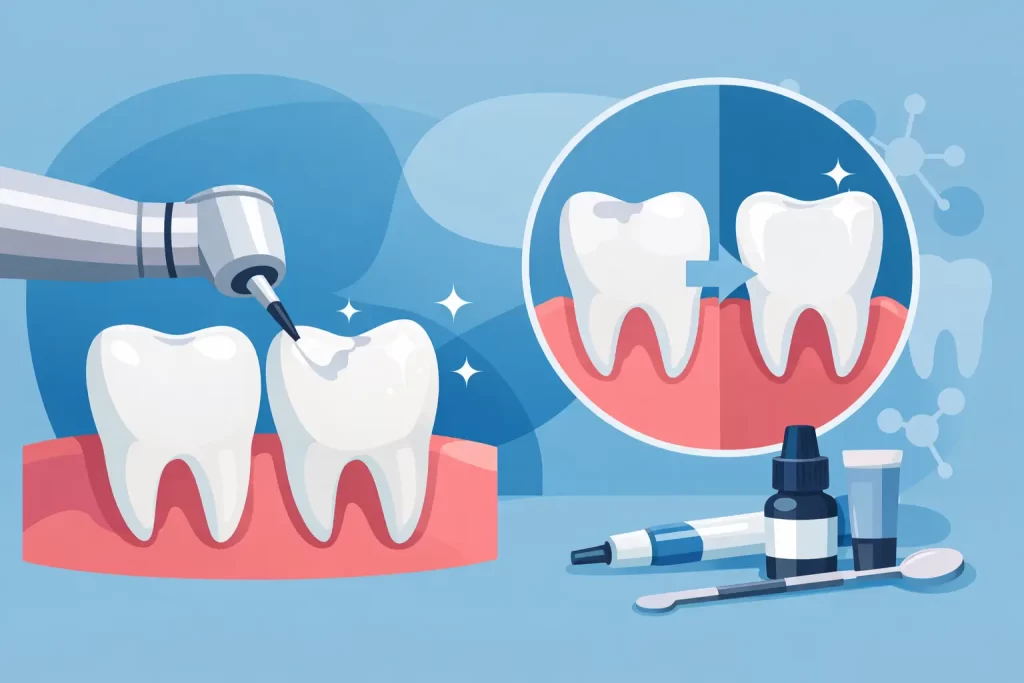
Composite bonding is a cosmetic and restorative dental treatment that repairs minor to moderate damage using a durable, tooth-colored material. Your dentist applies the composite resin directly to the tooth, shapes it to match the natural contour, then hardens it with a special curing light.
This approach is popular because it is usually completed in one visit, requires little to no drilling in many cases, and can deliver an immediate cosmetic improvement. For a front tooth chip, that speed matters. Most people want the problem handled quickly, but they also want it to look natural up close, not just from a distance.
Composite bonding is not only about appearance. A chipped edge can feel rough, catch on the tongue, and sometimes make the tooth more vulnerable to further wear. Restoring the missing portion helps improve comfort and function as well.
When composite bonding for chipped tooth repair makes sense
Bonding is often a very good option when the chip is small or medium in size, especially on front teeth or visible areas. It can also work well if the tooth is otherwise healthy and the patient wants a conservative solution.
This treatment tends to be a strong fit when the chip has not exposed the nerve, there is enough natural enamel for bonding, and the bite does not place excessive force on the repaired area. If the damage is minor and you want a more affordable alternative to veneers or crowns, bonding may be the right place to start.
That said, the best choice depends on the tooth, the size of the fracture, and your bite pattern. A small chip on a front tooth is different from a broken corner on a back tooth that handles heavy chewing. One patient may do very well with bonding for years, while another may need a stronger restoration because of clenching, grinding, or the way the teeth come together.
What happens during the appointment?
The process is usually straightforward and comfortable. Your dentist first examines the tooth to make sure bonding is appropriate. If the chip is linked to deeper damage, decay, or sensitivity, those issues need to be addressed before or during treatment.
If bonding is the right fit, the shade of the composite is selected to match your natural tooth. The surface is then prepared so the material can attach properly. The resin is applied in layers, shaped carefully, and cured with a light. After that, the dentist refines the form and polishes the tooth so it blends smoothly with your smile.
In many cases, little or no anesthesia is needed, especially if the repair is small and involves only the enamel. That is one reason patients often find bonding less stressful than they expected.
How natural does bonded repair look?
When done well, composite bonding can look very natural. The material is designed to match the color of your tooth, and the final shape is adjusted to suit your smile. For chips on front teeth, attention to contour and polish makes a real difference.
Still, there are trade-offs. Composite resin can be polished beautifully, but it does not reflect light in exactly the same way as natural enamel or porcelain. In most everyday situations, the repair looks excellent. Under very close inspection, or in certain lighting, subtle differences may be noticeable.
This is where careful planning matters. A dentist who focuses on both function and appearance will not just fill the missing area. They will consider edge shape, tooth symmetry, and how the repair fits your bite so it looks balanced and feels comfortable.
Benefits of bonding over other treatments
One of the biggest advantages is that bonding preserves more of your natural tooth. Unlike a crown, which usually requires more reshaping of the tooth, composite bonding is often minimally invasive. That makes it appealing for patients who want to repair damage without committing to a larger procedure right away.
It is also faster than many alternatives. Veneers and crowns often require more than one appointment, while bonding can often be completed in a single visit. If you have an event coming up, a professional meeting, or simply want your smile repaired without delay, that convenience matters.
Cost is another reason many patients choose bonding. While pricing varies depending on the complexity of the chip and the number of teeth involved, bonding is generally more budget-friendly than porcelain restorations.
Limitations to know before you decide
Bonding is effective, but it is not the perfect answer for every chipped tooth. Composite resin is durable, though it is not as strong or stain-resistant as porcelain. If you bite your nails, chew ice, grind your teeth, or use your teeth to open packages, the repair may wear down or chip again sooner.
Larger fractures may need a different approach. If a significant portion of the tooth is missing, if the crack extends deeper, or if the tooth is already heavily filled or weakened, a crown or another restoration may offer better long-term support.
Color stability is another factor. Bonded material can pick up stains over time from coffee, tea, red wine, and tobacco. Regular dental visits and good home care help, but patients should know that bonding may need occasional maintenance or replacement in the future.
How long does composite bonding last?
There is no single timeline that fits everyone. A small bonded repair on a front tooth can last several years, especially when the bite is favorable and the patient takes good care of it. Some repairs last longer, while others need touch-ups sooner.
Longevity depends on the size and location of the chip, your eating habits, your oral hygiene, and whether you clench or grind. If you are prone to grinding at night, your dentist may recommend a night guard to protect both the bonded tooth and your natural teeth.
The good news is that bonding is often repairable. If a small section wears or chips, it may be possible to add to the existing material rather than start over completely.
Caring for a bonded tooth
After treatment, caring for the tooth is usually simple. Brush twice a day with a soft-bristled toothbrush, floss daily, and keep up with regular dental checkups and cleanings. Try to avoid using the repaired tooth to bite very hard foods or non-food items.
If you notice roughness, a change in the way your bite feels, new sensitivity, or a visible edge where the material seems worn, it is best to have it checked early. Small problems are often easier to manage before they become larger ones.
When a chipped tooth should be seen right away
Not every chip is just cosmetic. If the tooth is painful, sensitive to temperature, bleeding, sharp enough to cut your tongue, or darkening in color, it should be evaluated promptly. These signs can suggest deeper injury.
Even if the chip seems minor, it is worth getting a professional opinion. What looks small in the mirror may involve more structure than you realize. A proper exam, often supported by digital imaging, helps determine whether simple bonding is appropriate or whether another treatment would protect the tooth better.
At a patient-centered office such as Restorative Dental Jamaica, that conversation should feel clear and pressure-free. The goal is not to push the biggest treatment. It is to recommend the one that preserves your tooth, restores your smile, and fits your needs.
A chipped tooth can feel frustrating, but it is often very manageable. If you address it early, composite bonding may offer a comfortable, attractive repair that lets you smile and speak with confidence again.
Leave a reply







Leave a reply