
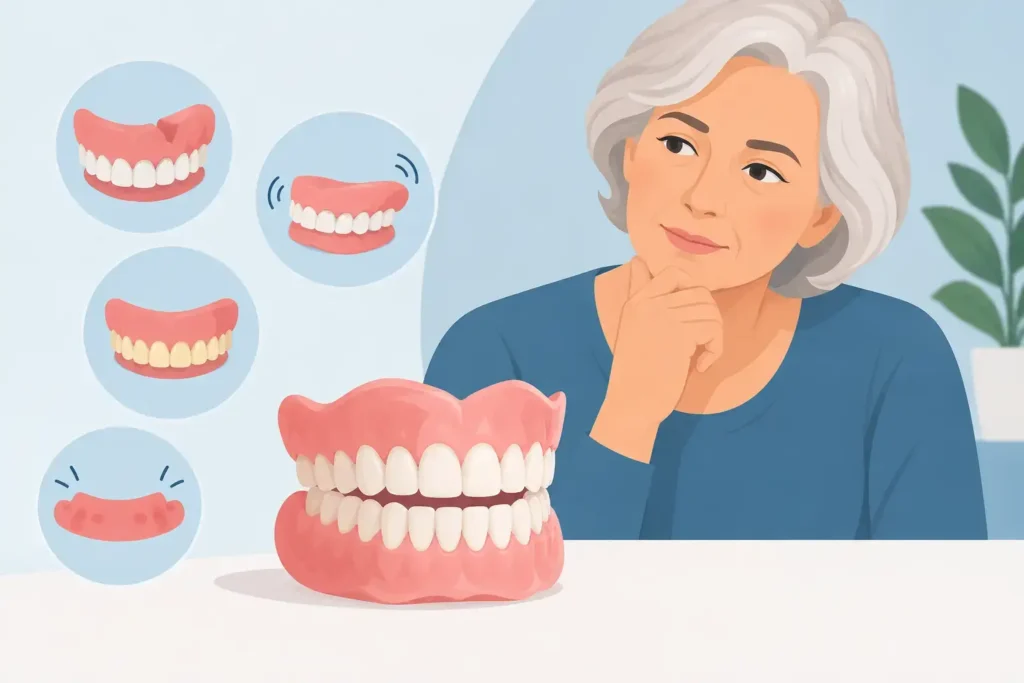
When to Replace Dentures and What to Watch For
A denture that once felt secure can gradually start to slip during a conversation, click while eating, or leave your gums sore by the end of the day. These changes are easy to dismiss, especially when they happen slowly. But knowing when to replace dentures can protect your comfort, support better nutrition, and help you feel confident when you smile.
Dentures are carefully made to fit your mouth at a particular point in time. Your mouth, however, continues to change. Gum tissue and jawbone naturally reshape after teeth are lost, while the denture material itself is exposed to years of chewing, cleaning, and daily wear. A professional assessment can determine whether a simple adjustment, a reline, or a completely new denture is the right next step.
When Should You Replace Dentures?
Many full or partial dentures last about five to 10 years, but that range is only a guide. Some people need a replacement sooner because their gums and bone have changed significantly. Others can use their dentures longer with regular checkups, good home care, and timely relines.
The better question is not only how old your dentures are. It is whether they still fit comfortably, function reliably, and support a natural-looking smile. Dentures should help you get through meals, conversations, and social occasions without constant worry about movement or irritation.
Signs it may be time for a new denture
A few changes deserve a dental visit rather than another tube of denture adhesive. Watch for these common signs:
- Your dentures feel loose, shift when you chew, or click while you speak.
- You have recurring sore spots, gum irritation, or pressure areas that do not settle.
- Chewing foods you once enjoyed has become difficult or uncomfortable.
- The teeth look noticeably worn, flattened, chipped, stained, or no longer support your facial appearance well.
- Your dentures are cracked, warped, repeatedly repaired, or have an unpleasant odor that remains after thorough cleaning.
One sign does not always mean replacement is necessary. For example, a small crack may be repairable, and a loose denture may improve with a reline. Still, do not try to adjust or glue a denture at home. Household adhesives can damage the appliance, alter its fit, and make professional repair more difficult.
Why Dentures Become Loose Over Time
The fit of a denture depends on the shape of the gums and underlying jawbone. After natural teeth are removed, the jawbone no longer receives the same stimulation from tooth roots. Over time, it can shrink or change shape. This is a normal process, but it means a denture made years ago may no longer rest evenly on the gums.
Weight changes, certain medications, health conditions, and changes in saliva flow can also affect comfort and retention. A lower denture may be especially challenging because it has less surface area for support and the tongue is constantly moving around it.
A loose denture can rub the gums and cause inflammation. It may also make chewing less efficient, leading some people to avoid meats, fresh vegetables, and other foods that are harder to manage. That can quietly affect both nutrition and quality of life.
Replacement, Reline, or Repair: What Is the Difference?
Not every denture concern requires starting over. During an examination, your dentist will look at the condition of the denture, your bite, the health of your gums, and changes in your mouth. From there, treatment can be tailored to what you truly need.
A reline may restore the fit
A denture reline reshapes the surface that rests against your gums. It can improve stability when the teeth and outer structure of the denture are still in good condition, but the fit has become loose due to changes in your gums or jawbone.
Relines are often a sensible choice for a relatively newer denture. They can reduce movement and help relieve pressure points. However, a reline cannot correct heavily worn teeth, a broken denture base, major bite problems, or a denture that no longer looks natural.
A repair may solve a specific problem
If a denture has a minor crack, a broken tooth, or damage to one area, a professional repair may be possible. It is still worth having the fit checked. Dentures often crack because they have been dropped, but repeated breakage can also suggest that the appliance is under uneven pressure or has become unstable.
Replacement is best when several issues overlap
A new denture is usually the better long-term choice when the appliance is old, the teeth are worn, repairs are becoming frequent, and the fit is poor. Replacing dentures gives your dentist an opportunity to reassess the bite, tooth shape, tooth color, gum appearance, and facial support rather than simply patching an outdated appliance.
This can make a meaningful difference in how your smile looks and feels. Well-designed dentures should not only replace missing teeth. They should be balanced, comfortable, and made to complement your facial features.
Do Not Ignore Changes in Your Gums
Soreness is not something you should simply accept as part of wearing dentures. Painful areas may result from friction, a sharp edge, infection, or an ill-fitting denture. White patches, red areas, persistent ulcers, bleeding, swelling, or a lump should always be assessed promptly.
Even if you have no natural teeth remaining, routine dental visits still matter. Your dentist checks the gums, tongue, cheeks, bite, and denture condition, and can screen for concerns that may not be obvious at home. Digital imaging may also be recommended when a closer look at the jawbone or supporting structures is needed.
Removing dentures at night is usually part of healthy denture care unless your dentist gives you different instructions. This gives gum tissues a chance to rest and allows you to clean both your mouth and the denture thoroughly. Keeping dentures in continuously can increase irritation and raise the risk of fungal infections.
How to Make Your Dentures Last Longer
Good habits can help preserve the appearance and function of your dentures between visits. Clean them every day using a soft denture brush and a product designed for dentures. Regular toothpaste may be too abrasive and can create tiny scratches where stains and bacteria collect.
Handle dentures over a folded towel or a sink partly filled with water, since they can break if dropped. Keep them moist when they are not being worn, following the soaking guidance provided by your dentist. Hot water is not a good choice because it can warp the material.
It also helps to keep your dental appointments, even when everything feels fine. A small adjustment at the right time can prevent weeks of soreness and may extend the useful life of your denture. If you use adhesive, think of it as added support for a properly fitted denture, not a solution for one that has become too loose.
Feeling Comfortable With Your Next Step
Getting new dentures is an adjustment, but it should feel like progress, not a setback. Your dentist can discuss what you would like to improve, whether that is chewing comfort, a more secure fit, a brighter appearance, or a smile that feels more like you. The process may include impressions, bite records, try-in appointments, and adjustments after delivery to refine the fit.
At Restorative Dental Jamaica, every denture consultation is centered on listening first. A careful evaluation helps distinguish between a denture that needs a minor correction and one that has reached the end of its useful life. You deserve clear answers and treatment that feels comfortable, personal, and appropriate for your needs.
If your dentures have become loose, painful, worn, or difficult to use, do not wait until eating and speaking feel stressful. A timely dental assessment can help you move forward with greater comfort and confidence in every smile.
Leave a reply







Leave a reply