
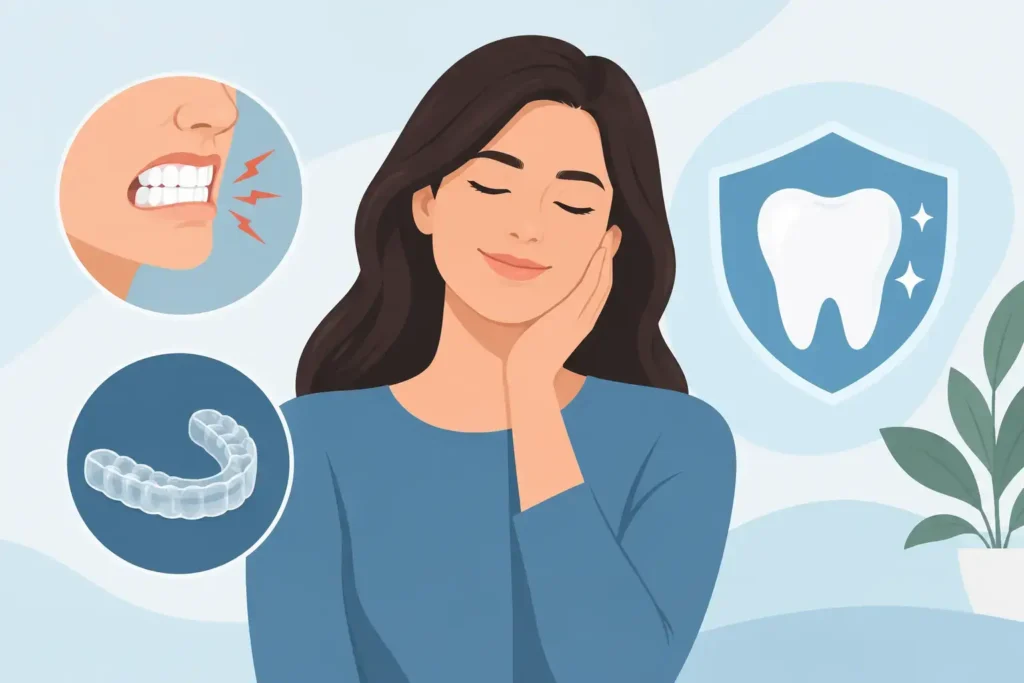
How to Stop Teeth Grinding and Protect Your Smile
Waking up with a tight jaw, a dull headache, or teeth that feel unusually sensitive can make the start of the day miserable. If you are trying to stop teeth grinding, the first step is recognizing that it is not simply a bad habit to ignore. Grinding and clenching, also called bruxism, can place intense pressure on teeth, fillings, crowns, and jaw joints – often while you sleep.
The good news is that there are effective ways to protect your smile and reduce the strain. The right approach depends on what is driving the grinding, how much damage has already occurred, and whether it happens during the day, at night, or both.
Why teeth grinding deserves attention
Your jaw muscles are designed for chewing, not for hours of sustained pressure. Repeated clenching can wear down tooth enamel, flatten the biting edges of teeth, chip restorations, and make teeth more prone to cracks. Some people first notice a broken filling or crown. Others develop jaw soreness, ear-area discomfort, headaches, or a clicking and popping sensation when opening their mouth.
Nighttime grinding is especially frustrating because it happens without conscious control. A partner may hear a grinding sound, but many people have no idea they are doing it until a dental examination reveals worn enamel or stress fractures. Daytime clenching can be quieter and just as damaging, particularly during focused work, driving, exercise, or stressful moments.
Teeth grinding does not always have one clear cause. Stress and anxiety can contribute, but so can sleep disturbances, certain medications, caffeine, alcohol, smoking, bite changes, and jaw muscle tension. That is why a personalized dental assessment is more useful than trying a single solution and hoping for the best.
How to stop teeth grinding during the day
Daytime clenching often improves when you become aware of it. Your teeth should not normally be touching when you are resting. A helpful reminder is: lips together, teeth apart, tongue relaxed. Try placing the tip of your tongue gently behind your upper front teeth, then let your jaw loosen. This position can interrupt the urge to clench.
Pay attention to the moments when your jaw tightens. Many people clench while answering emails, concentrating on detailed work, lifting weights, or sitting in traffic. A phone reminder every hour can help you pause, drop your shoulders, and relax your jaw. It may feel small, but frequent resets can reduce muscle fatigue by the end of the day.
It also helps to avoid overworking the jaw when it already feels sore. Choose softer foods for a few days, avoid chewing gum, and limit hard foods such as ice, popcorn kernels, and hard candies. These changes will not cure bruxism by themselves, but they can give irritated muscles and teeth a chance to settle.
Stress management matters, although it is not a cure-all. Gentle exercise, breathing exercises, better sleep routines, and counseling can be valuable if stress is a clear trigger. The goal is not to eliminate every stressful moment. It is to give your body fewer reasons to hold tension in your jaw.
Protecting teeth from nighttime grinding
When grinding happens during sleep, a professionally made night guard is often one of the most reliable ways to protect teeth. A custom appliance fits your bite precisely and creates a protective barrier between your upper and lower teeth. It does not necessarily stop every jaw movement, but it can greatly reduce the direct damage caused by grinding.
Store-bought guards can be useful as a short-term option for some adults, especially while arranging a dental visit. However, they are not the same as a custom-fitted appliance. A bulky or poorly fitted guard may feel uncomfortable, affect your bite, or be difficult to wear consistently. If you have crowns, veneers, missing teeth, jaw pain, or significant wear, professional guidance is particularly worthwhile.
At Restorative Dental Jamaica, a dental examination can identify signs of grinding that may not be obvious at home, including worn enamel, tiny fractures, gum recession, and stress on existing restorations. Digital imaging and a close evaluation of your bite help guide recommendations based on your needs, comfort, and the condition of your smile.
When sleep may be part of the problem
For some people, grinding is connected to disrupted sleep. Loud snoring, gasping or choking during sleep, morning exhaustion, and frequent waking deserve attention. These can be signs of sleep-disordered breathing, including sleep apnea. A night guard may still protect your teeth, but it does not treat a breathing concern.
Tell your dentist and physician about these symptoms. You may need further evaluation from a sleep professional. Addressing an underlying sleep issue can improve overall health as well as reduce the factors that contribute to nighttime clenching.
Repairing damage caused by grinding
Stopping further wear is the priority, but damaged teeth may also need care. The appropriate treatment depends on how much tooth structure has been lost and whether a tooth has cracked, become sensitive, or developed decay.
Small chips or worn areas can sometimes be restored with tooth-colored bonding or white fillings. More substantial damage may require a crown to cover and strengthen the tooth. When grinding has placed severe pressure on a tooth, treating it early can help preserve the natural tooth and prevent a more complex problem later.
If a restoration has cracked or feels rough, loose, or painful when biting, do not wait for it to become an emergency. Schedule an assessment promptly. Continuing to chew on a compromised tooth can allow the damage to deepen.
Common mistakes that keep bruxism going
One common mistake is waiting until pain becomes severe. Tooth wear can progress quietly, and enamel does not grow back. Another is assuming jaw pain is normal because life is stressful. Occasional tension is common, but repeated pain, headaches, or broken dental work should be evaluated.
People also sometimes stop wearing a night guard because it feels unfamiliar for the first few nights. A properly fitted guard should be comfortable enough for regular use, though there can be an adjustment period. If it feels painful, too tight, loose, or causes a change in how your teeth meet, bring it back to your dentist for an adjustment rather than abandoning it.
Finally, do not try to reshape rough or worn teeth at home. Filing teeth or using unproven online remedies can create permanent damage and make your bite less stable.
When to schedule a dental visit
A dental visit is a good idea if you wake with jaw pain, notice frequent headaches, hear clicking in your jaw, see flattened or chipped teeth, or have a partner who hears you grind at night. It is also wise to book an appointment if an existing crown, veneer, filling, or denture has broken repeatedly.
For children, grinding can occur during periods of growth and may be temporary, but it should still be mentioned at routine dental visits. Do not use an adult over-the-counter guard for a child without professional advice. Their teeth and jaws are developing, and the safest plan needs to fit their stage of growth.
A calm, thorough assessment can replace guesswork with a practical plan – whether that means habit coaching, a custom night guard, restorative treatment, or a referral for sleep evaluation. Protecting your teeth now can help you keep your natural smile comfortable, functional, and confident for years to come.
Leave a reply







Leave a reply