
Can Cavities Spread Between Teeth? What to Know
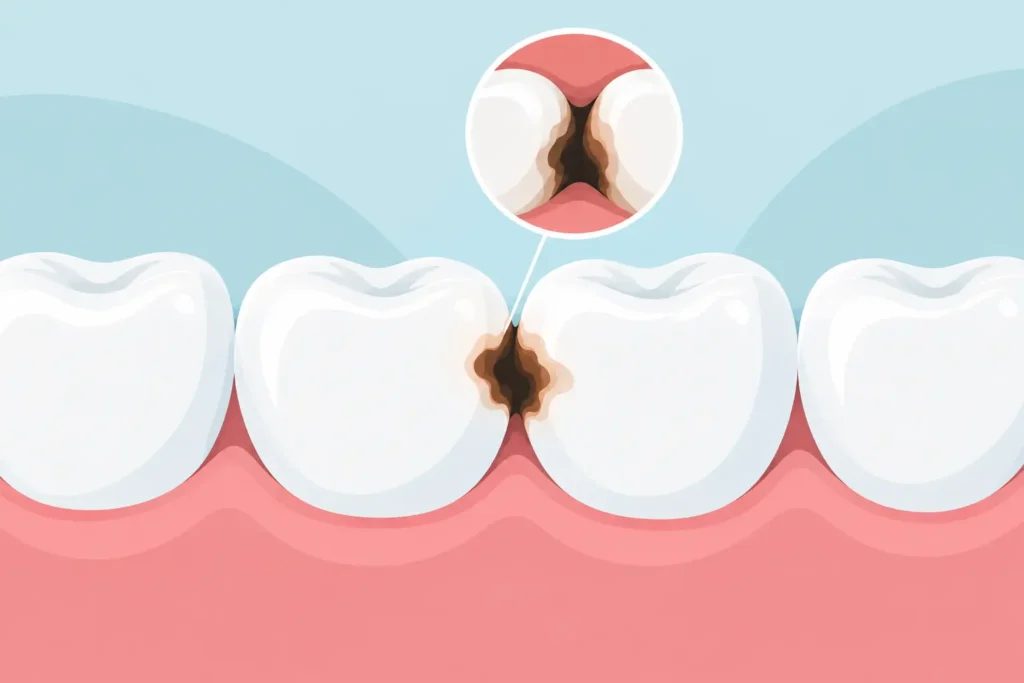
A cavity found between two teeth can feel especially worrying because it is often hidden until it has grown larger. So, can cavities spread between teeth? Not in the way a cold spreads from one person to another, but decay on one tooth can make the neighboring tooth more vulnerable when the same plaque, bacteria, and food particles remain trapped in that tight space.
The good news is that early treatment can protect both teeth and usually keeps care simple. A routine dental assessment, often supported by digital X-rays, can reveal decay where a toothbrush cannot easily reach and help you make a confident decision before discomfort or more extensive treatment is needed.
Can Cavities Spread Between Teeth?
A cavity itself does not physically jump from one tooth to another. Tooth decay develops when bacteria in plaque feed on sugars and starches, producing acids that gradually weaken tooth enamel. When this process is active between teeth, both surfaces are exposed to the same environment.
Think of two teeth that touch closely together. Plaque can collect at the contact point, especially if flossing is missed or difficult. If one tooth has a cavity, that area may trap more food and bacteria, making it easier for decay to develop on the facing surface of the next tooth. The result can look like a cavity has spread, even though each tooth is developing its own area of decay.
This is why dentists take decay between teeth seriously. What begins as a small weak spot on one surface may eventually affect two teeth, requiring separate restorations if it is not addressed promptly.
Why Decay Hides Between Teeth
The spaces between teeth are some of the hardest areas to clean thoroughly. Toothbrush bristles clean the front, back, and chewing surfaces well, but they cannot reliably clean the tight contact points where neighboring teeth meet. Floss or an appropriate interdental cleaner is needed to disturb plaque in these areas.
Early interproximal decay, the clinical term for decay between teeth, often has no obvious signs. You may not see a dark spot, feel pain, or notice a hole. Enamel has no nerve endings, so a small cavity can progress quietly before it causes sensitivity.
Digital X-rays are particularly useful because they can show changes between teeth that are not visible during a standard visual examination. Intraoral cameras may also help patients see other areas of concern and better understand their treatment options. Finding a small problem early generally means less drilling, more natural tooth structure preserved, and a simpler restoration.
Signs You Should Schedule a Dental Exam
Pain is not the only reason to seek care. In fact, waiting for a toothache can allow a manageable cavity to become much deeper. If you notice food repeatedly getting stuck between the same teeth, new sensitivity to cold or sweets, discomfort when biting, or floss that catches or shreds in one spot, it is worth having the area checked.
You may also notice a rough edge with your tongue, a change in how your teeth fit together, or tenderness in the gums near a particular contact point. These symptoms do not always mean you have a cavity. A loose filling, gum inflammation, a cracked tooth, or a gap between teeth can create similar sensations. An examination provides clarity rather than guesswork.
For parents, regular checkups matter even when children say their teeth feel fine. Decay can progress quickly in some children, and early preventive care helps build habits that protect their smiles as they grow.
What Happens if a Cavity Is Left Untreated?
Cavities do not heal on their own once a hole has formed in the enamel. Very early mineral loss may sometimes be strengthened with fluoride and improved home care, depending on what your dentist sees. But established decay needs professional treatment to remove the damaged portion of the tooth and seal the area against further bacterial entry.
When a cavity between teeth becomes larger, it can weaken both teeth and reach the softer dentin beneath the enamel. At that stage, sensitivity may increase and the restoration may need to be larger. If decay reaches the pulp, where the tooth’s nerve and blood supply are located, a root canal and crown may be necessary to preserve the tooth.
That does not mean every cavity leads to major treatment. It means timing matters. Treating decay while it is small is one of the most practical ways to preserve natural teeth, manage costs, and avoid an unexpected dental emergency.
How Dentists Treat Cavities Between Teeth
Treatment depends on the cavity’s size, location, and depth. For many small to moderate cavities, a tooth-colored filling is an excellent option. Your dentist removes the decay, cleans the area, and rebuilds the missing portion of the tooth with a material selected to blend naturally with your smile.
Because decay between teeth affects a contact area, shaping the filling carefully matters. The restored tooth should feel comfortable, allow floss to pass through with gentle resistance, and help prevent food from collecting between the teeth. A properly placed restoration supports everyday comfort as well as function.
A larger cavity may require a stronger restoration, such as a crown, particularly when substantial tooth structure is missing or the tooth has cracked. If the nerve has been affected, root canal therapy can remove infection and help save the natural tooth before it is restored. Extraction is generally considered only when a tooth cannot be predictably saved.
At Restorative Dental Jamaica, treatment recommendations are made with the goal of preserving as much healthy tooth structure as possible while helping you feel comfortable and informed throughout your visit.
Lowering the Risk of Cavities Between Teeth
Preventing interproximal cavities comes down to consistently removing plaque from places your toothbrush cannot reach and reducing the frequency of acid attacks on your teeth. Brushing twice daily with fluoride toothpaste is a strong foundation, but it is only part of the routine.
Cleaning between your teeth once a day is essential. Traditional floss works well for many people, while floss picks, interdental brushes, or a water flosser may be more practical in certain situations. The best tool is one you can use correctly and consistently. If your gums bleed when you begin flossing, do not assume flossing is harming them. Bleeding often signals inflammation from plaque buildup, though persistent bleeding should be evaluated by a dentist.
Your eating and drinking habits matter, too. Frequent sipping of sweetened drinks, regular snacking on sugary foods, and acidic beverages can repeatedly expose enamel to acids. You do not have to avoid every treat to care for your smile. It is often more helpful to limit how often sugary or acidic items are consumed, drink water afterward, and keep them with meals when possible.
Professional cleanings and exams complete the picture. Even patients with careful home routines can develop decay in tight areas, around old fillings, or beneath surfaces that are difficult to inspect. Regular visits allow your dental team to monitor small changes and recommend preventive options, such as fluoride treatment or sealants when appropriate.
Do Fillings Stop Cavities From Coming Back?
A filling treats the cavity that is present, but it does not make the tooth immune to future decay. New decay can form at the edge of a filling if plaque and bacteria remain there regularly. It can also develop on the neighboring tooth if the space between teeth is not cleaned effectively.
This is not a reason to feel discouraged. It is a reason to view restorative care and prevention as a partnership. A well-placed filling repairs damage, while daily home care and routine dental visits help protect the repair and the teeth around it for years to come.
If you are concerned about a spot between your teeth, do not wait for severe pain to tell you something is wrong. A calm, timely dental visit can provide answers, relieve uncertainty, and give your smile the care it needs before a small hidden problem becomes a larger one.
Leave a reply








Leave a reply