
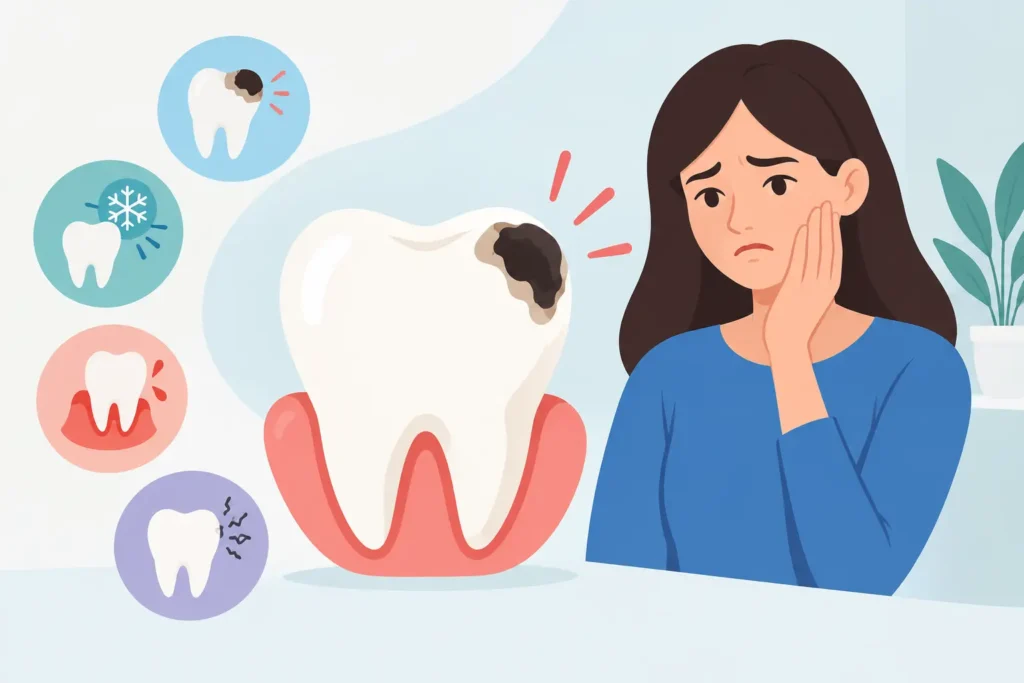
Top Cavity Warning Signs You Should Not Ignore
A cavity rarely announces itself with dramatic pain at the beginning. More often, it starts as a small change: a twinge with a cold drink, food catching in one spot, or a tooth that suddenly feels different when you bite. Knowing the top cavity warning signs can help you act before a simple filling becomes a larger, more involved treatment.
Tooth decay is common, but it should never be ignored. Early care can often preserve more of your natural tooth, relieve discomfort, and keep your treatment straightforward. If something feels unusual, a dental assessment can provide clear answers and a plan that suits your needs.
Top Cavity Warning Signs to Watch For
Sensitivity to cold, heat, or sweets
A quick flash of sensitivity when you sip a cold drink or eat something sweet may be one of the earliest signs of decay. As the protective enamel on a tooth weakens, outside temperatures and sugars can reach the more sensitive layers beneath it.
Not every sensitive tooth has a cavity. Worn enamel, gum recession, a cracked tooth, or recent whitening can also cause sensitivity. Still, if the feeling happens repeatedly in the same area or lingers after the trigger is gone, it is worth having it checked.
A toothache or pressure when biting
Pain does not always mean a cavity is advanced, but persistent pain needs attention. You may feel a dull ache, a sharp jab when chewing, or pressure that makes you avoid one side of your mouth. These symptoms can occur when decay has moved deeper into the tooth or when a crack, loose filling, or gum issue is present.
A toothache can fade and return, which sometimes leads people to wait. That temporary relief does not mean the underlying problem has resolved. Decay can continue quietly until it reaches the tooth’s nerve, where treatment may become more complex.
A visible spot, hole, or rough area
Look closely at your teeth in good lighting. White, chalky patches can sometimes signal early mineral loss, while brown or black spots may indicate more established decay. You may also notice a tiny pit, a rough edge, or an area where your tongue keeps catching.
Visible changes deserve professional evaluation, but a tooth can have decay even when it looks normal. Cavities often develop between teeth or in deep grooves where they are difficult to see without dental instruments and digital x-rays.
Food getting trapped in the same place
Food occasionally getting stuck is normal. Food packing into the same space every day is different. It may point to a cavity, a damaged filling, a chipped tooth, or a gap that needs attention.
Repeatedly digging at the area with a toothpick or other object can irritate the gums and make the situation worse. Floss gently, keep the area clean, and arrange a visit so the cause can be identified rather than guessed at.
Bad breath or an unpleasant taste that persists
Morning breath happens. Ongoing bad breath or a lingering unpleasant taste, especially from one area of the mouth, can be associated with trapped food, plaque buildup, gum concerns, or decay. It is not a reliable cavity test on its own, but it is a reason to pay closer attention to your oral health.
A professional cleaning and exam can help distinguish whether the issue is related to a tooth, the gums, dry mouth, or another cause. Fresh breath products may mask the symptom, but they do not address what is creating it.
Why Early Cavity Care Makes a Difference
Cavities do not heal once a true hole has formed in the enamel. In very early stages, your dentist may recommend preventive measures to strengthen and protect the tooth. Once decay has created a cavity, a white filling can often restore the area while preserving as much healthy tooth structure as possible.
Waiting can allow bacteria to travel deeper. A larger cavity may require a larger filling, a crown to support a weakened tooth, or root canal therapy if the inner nerve becomes infected or inflamed. The right treatment depends on the tooth and the extent of decay, but earlier treatment usually gives you more options.
There is also a comfort factor. Many people put off dental visits because they worry about what they will hear or how treatment will feel. Modern care is designed to be calm, clear, and patient-centered. Knowing what is happening and treating it early can replace uncertainty with relief.
When a Cavity May Need Urgent Attention
Contact a dentist promptly if pain is severe, swelling develops around the gum or face, you have a fever, or you notice a pimple-like bump on the gums. These can be signs of infection and should not be managed by waiting it out.
A broken tooth, lost filling, or pain that wakes you from sleep also deserves timely care. Until you are seen, avoid chewing on the affected side and avoid very hot, cold, or sugary foods that trigger discomfort. Over-the-counter pain medication may help some people when used as directed, but placing aspirin directly on a tooth or gum can burn the tissue and is not recommended.
What Happens at a Dental Cavity Check
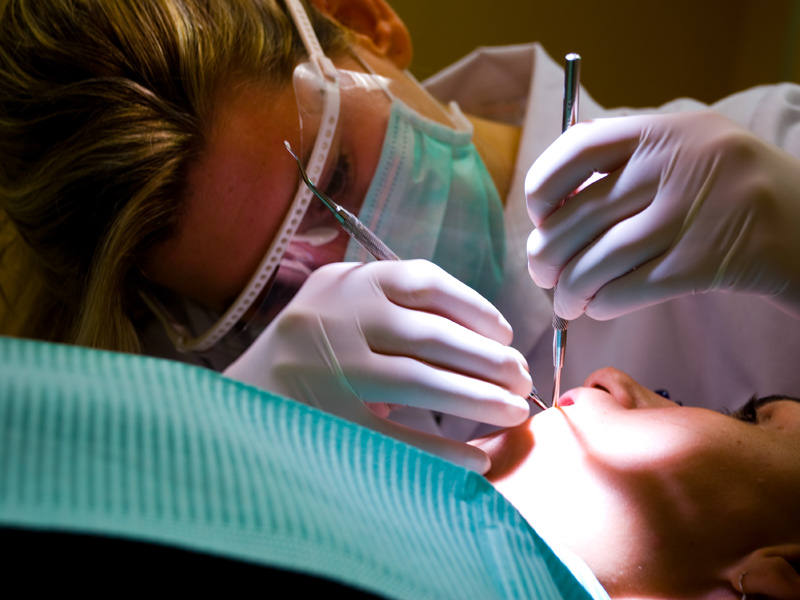
A cavity check should feel informative, not intimidating. Your dentist will ask about your symptoms, examine the teeth and gums, and may use digital x-rays or an intraoral camera to look for decay that cannot be seen from the surface. This is especially useful for checking between teeth and beneath older restorations.
If treatment is needed, you should understand the reason for the recommendation, the options available, and what to expect next. At Restorative Dental Jamaica, the focus is on helping patients preserve natural teeth whenever possible while receiving attentive, comfortable care.
How to Lower Your Risk of New Cavities
Good daily habits make a real difference, although they cannot reverse an existing hole in a tooth. Brush twice daily with fluoride toothpaste, clean between your teeth every day, and keep up with routine dental visits. Fluoride helps strengthen enamel, while flossing or interdental cleaning reaches surfaces a toothbrush cannot.
It also helps to think about how often teeth are exposed to sugar and acid, not only how much is consumed at one time. Sipping sweetened drinks throughout the day, frequent snacking, and sports drinks can keep teeth under repeated attack. Water between meals is a tooth-friendly choice, and chewing sugar-free gum after eating may help stimulate saliva for some people.
For children and adults with deep grooves in the back teeth, fissure sealants may offer added protection. Your dentist can advise whether they are appropriate based on the shape of the teeth and your individual cavity risk.
A small sensitivity, a rough spot, or food catching in one place may seem easy to dismiss. Trust the change you notice. Booking an assessment early can protect your comfort now and help keep your natural smile healthy for years to come.
Leave a reply







Leave a reply