
How to Clean Removable Dentures Every Day
A denture that looks clean can still hold food particles, plaque, and odor-causing bacteria in the small spaces that are easy to miss. Knowing how to clean removable dentures properly helps protect your mouth, keeps your appliance feeling fresh, and can extend the life of your investment. The routine is simple, but the products and technique matter.
Why Daily Denture Cleaning Matters
Removable dentures sit against delicate gum tissue for much of the day. Without consistent cleaning, plaque and food debris can build up on the denture surface and underneath it. This may contribute to unpleasant breath, staining, gum irritation, and fungal infections such as denture stomatitis.
Dentures also need attention because they are not made of natural enamel. Acrylic, metal components, and soft lining materials can scratch, warp, or weaken when cleaned with the wrong product. A bright smile should never come at the cost of damaging the appliance that supports it.
A good routine includes cleaning your dentures every day, rinsing them after meals when possible, and cleaning your gums, tongue, and any remaining natural teeth. Your mouth needs care even when your teeth are removable.
How to Clean Removable Dentures Safely
Start by placing a folded towel in the sink or filling it with a small amount of water. Dentures can crack if dropped onto a hard countertop or into an empty sink, so this simple precaution is worthwhile.
Remove your dentures gently and rinse them under cool or lukewarm running water. This loosens food particles and makes brushing more effective. Avoid hot water. Heat can distort the acrylic base and change how the dentures fit.
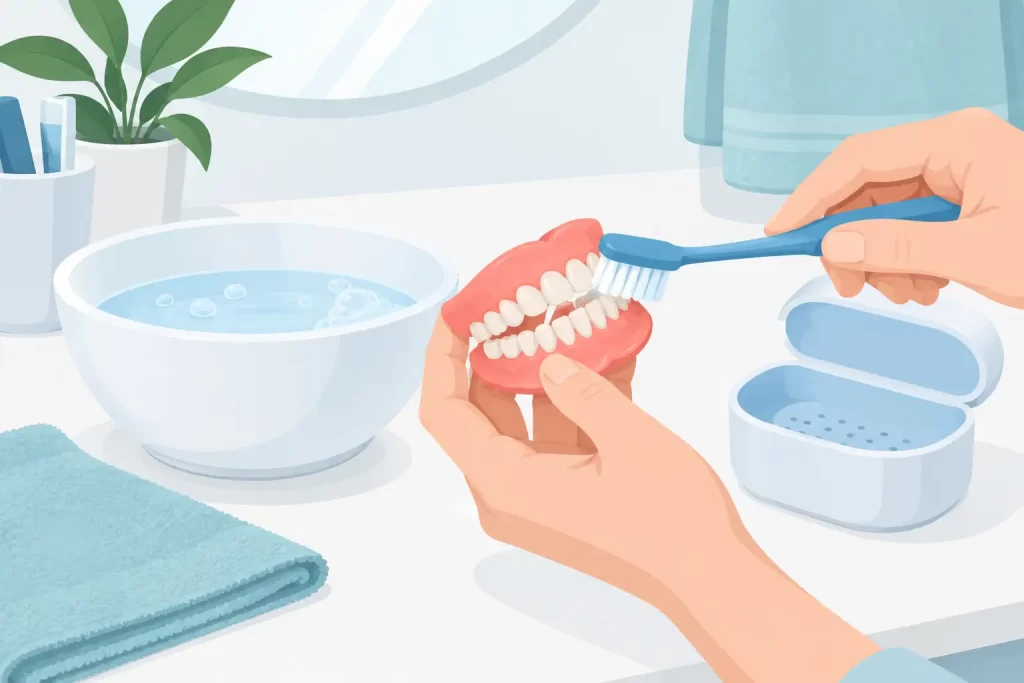
Next, use a soft denture brush or a very soft toothbrush reserved only for your dentures. Apply a nonabrasive denture cleanser and brush all surfaces carefully, including the side that rests against your gums, the teeth, grooves, clasps, and any areas where adhesive may collect. Use gentle pressure. Scrubbing hard does not make dentures cleaner, but it can leave tiny scratches where stains and bacteria may cling.
Rinse thoroughly before placing them back in your mouth. If you use denture adhesive, make sure old adhesive has been removed from both the dentures and your gums before applying a fresh amount.
Soak Dentures as Directed
Most removable dentures benefit from soaking when they are not being worn, especially overnight. A denture-soaking solution can help loosen deposits that brushing alone may not remove. Follow the directions on the product and ask your dentist which cleaner suits your denture type.
Not every appliance should be soaked in the same solution. Partial dentures with metal clasps may require a product that is safe for metal, while dentures with soft liners may need more specific instructions. If you are unsure, bring your dentures to your dental appointment and ask for personalized guidance.
After soaking, brush and rinse them again before wearing them. Soaking solutions are not meant to be swallowed, and residue should not remain on the denture surface.
Products to Avoid When Cleaning Dentures
Many common household cleaners are too harsh for dentures. Toothpaste is a frequent mistake because it seems like the obvious choice. Most toothpastes contain abrasive ingredients designed for strong natural enamel. Denture materials are softer and may become dull or scratched over time.
Avoid bleach, whitening products, stiff-bristled brushes, scouring powders, and very hot water. Bleach can damage acrylic and alter the color of pink denture material. It may also corrode metal components on partial dentures. Whitening toothpaste and whitening strips will not whiten denture teeth and can leave the surface rougher.
Dish soap is sometimes used as a temporary option, but it should not replace a cleanser made for dentures. If you use it, choose a mild formula, brush gently, and rinse exceptionally well. Dentures absorb flavors and odors more easily than natural teeth, so strong soaps can leave an unpleasant taste.
Clean Your Mouth, Not Just Your Dentures
Taking dentures out does not mean oral hygiene is finished. Use a soft toothbrush to gently clean your gums, tongue, palate, and cheeks every morning and evening. This removes bacteria, stimulates circulation in the gum tissue, and helps your mouth feel refreshed.
If you have remaining natural teeth, brush them twice daily with fluoride toothpaste and clean between them as your dentist recommends. A partial denture does not protect the teeth that remain. In fact, food can collect around clasps and along the gumline, so those areas deserve extra care.
Give your gums a break by removing full dentures at night unless your dentist has advised otherwise. Wearing them continuously can increase irritation and create a warm, moist environment where yeast can grow. Letting your tissues rest is a small habit that can make a meaningful difference in comfort.
Managing Stains, Odor, and Tartar Buildup
Coffee, tea, red wine, tobacco, and strongly colored foods can stain denture teeth over time. Daily cleaning limits surface stains, but older discoloration may not come off safely at home. Do not attempt to scrape tartar off with sharp tools or use aggressive whitening products. You could scratch the denture or change its fit.
Persistent odor is often a sign that plaque, adhesive, or food debris is trapped in a hard-to-reach area. It can also mean the denture needs professional cleaning or adjustment. If the odor returns soon after cleaning, schedule a dental visit rather than masking it with mouthwash.
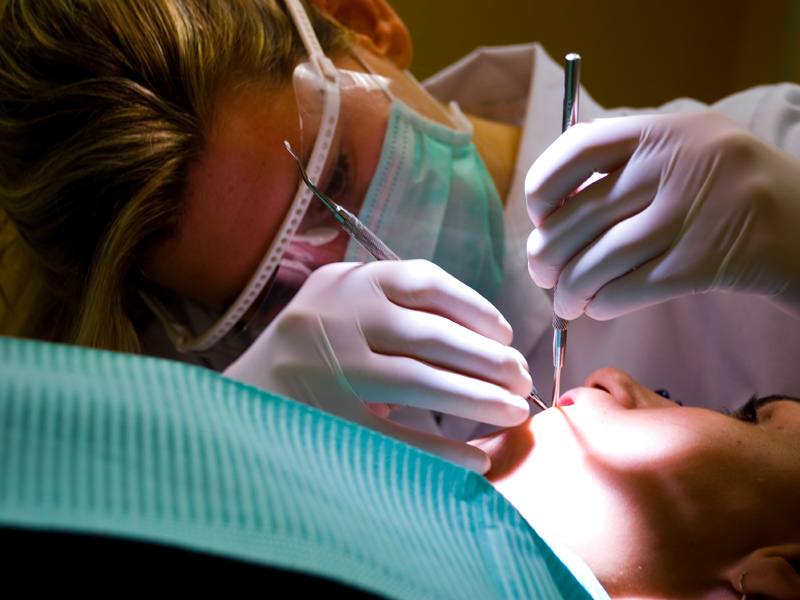
A dental team can safely remove hardened deposits, polish suitable denture surfaces, and check for cracks, worn teeth, loose clasps, or rough areas that irritate your mouth. At Restorative Dental Jamaica, denture visits can also include an assessment of your gums and the fit of your appliance, because a comfortable denture should support your daily confidence, not interfere with it.
When Dentures Need More Than Cleaning
Cleaning cannot correct a denture that no longer fits well. Over time, the bone and gum tissue beneath dentures naturally change shape. This can cause slipping, sore spots, clicking, difficulty chewing, or a change in how your face and smile feel.
Contact your dentist if your dentures crack, feel loose, cause pain, rub your gums, or suddenly become difficult to wear. Do not repair them with household glue. These products are not safe for use in the mouth and can make a professional repair more difficult.
It is also wise to have your dentures and oral tissues checked regularly, even if you have no natural teeth. Your dentist can look for changes that you may not see, including irritation, infection, and signs that a reline or replacement may be needed.
A Simple Daily Routine You Can Keep
The best denture-care plan is one you can follow consistently. Rinse after eating when convenient, brush dentures daily with a gentle cleanser, clean your mouth morning and night, and soak dentures according to your dentist’s advice. Store them safely in a clean container when they are out of your mouth so they do not dry out, become misplaced, or get damaged.
If your dentures are comfortable, clean, and professionally maintained, they can help you eat, speak, and smile with greater ease. A few careful minutes each day is a practical way to care for both your dentures and the healthy tissues that support them.
Leave a reply







Leave a reply