
A Smile Bonding Transformation Example Explained
A small chip on a front tooth can change how a person speaks, smiles in photos, or feels during a meeting. A smile bonding transformation example shows how a carefully placed tooth-colored resin can restore a tooth’s shape without automatically requiring a crown or veneer. For many patients, the most meaningful change is not a dramatic new smile. It is feeling comfortable showing the smile they already have.
Composite bonding is a conservative cosmetic treatment that can repair minor damage, soften uneven edges, close small spaces, and improve the balance of visible teeth. The right result should look natural, complement your facial features, and allow you to keep as much healthy tooth structure as possible.
A Smile Bonding Transformation Example
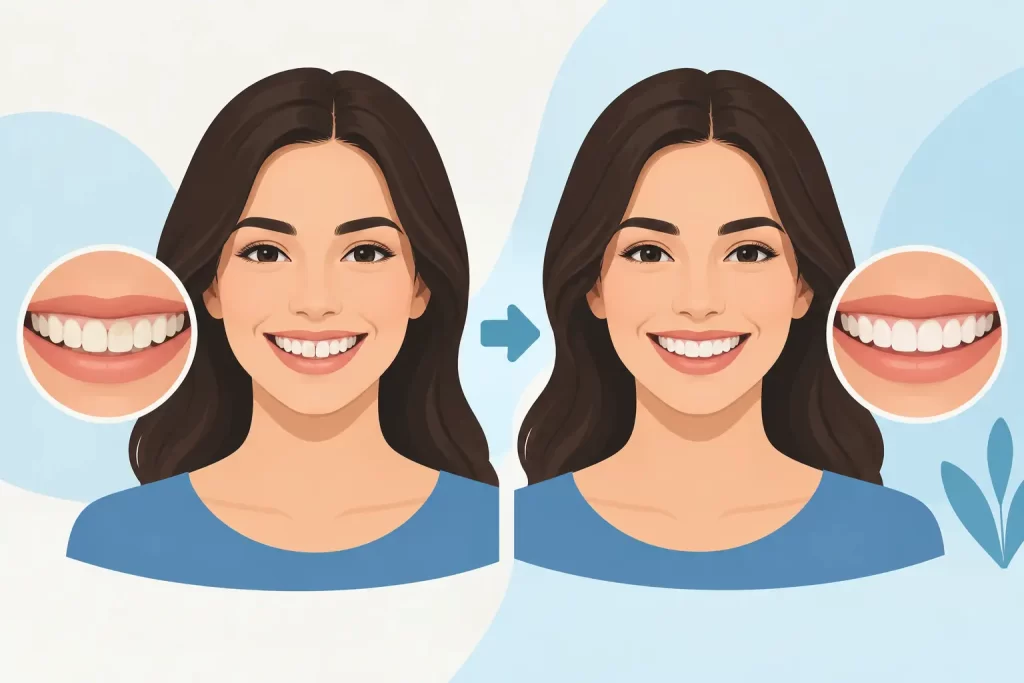
Consider a patient with a small chip on one upper front tooth and a slightly uneven edge on the tooth beside it. The chip may have happened years ago during a fall, while biting something hard, or through everyday wear. Although neither tooth causes pain, the uneven edges draw attention whenever the patient smiles.
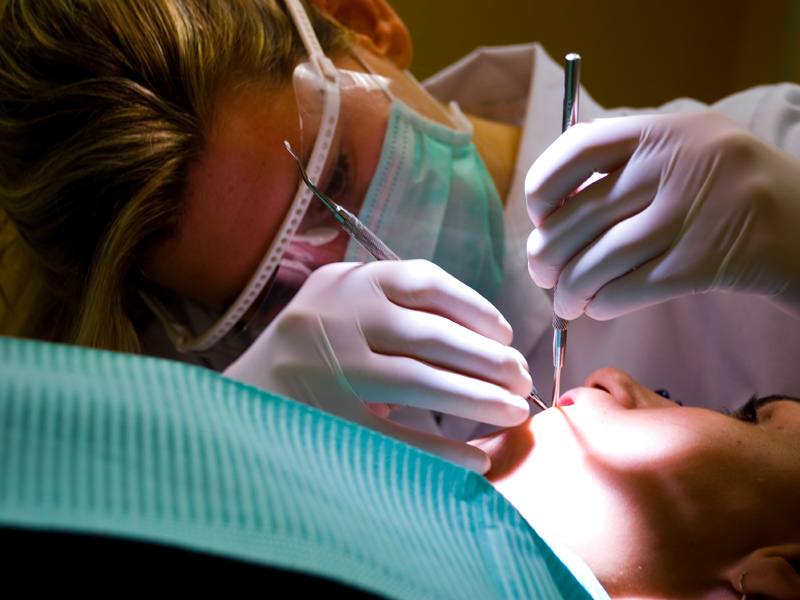
At the dental visit, the dentist first checks that the teeth and gums are healthy. This matters because cosmetic bonding is most successful when decay, gum inflammation, bite concerns, and active grinding are addressed first. Digital x-rays or intraoral images may be used when needed to assess the condition of the teeth clearly and help the patient understand the treatment recommendation.
Once bonding is confirmed as a suitable option, the dentist selects a composite shade that blends with the surrounding enamel. A small amount of resin is added to the chipped area and shaped by hand to recreate the tooth’s natural contour. The neighboring tooth may receive a minimal amount of bonding as well, allowing both edges to look balanced rather than making one tooth appear noticeably longer.
The composite is hardened with a curing light, then refined and polished. The goal is not to make the teeth look artificial or overly perfect. It is to create smooth, natural-looking edges that fit the patient’s bite and smile.
The before-and-after difference in this smile bonding transformation example may be subtle to everyone else, yet significant to the patient. What once looked like a chipped or mismatched smile can look more even, polished, and confident after one carefully planned appointment.
What Composite Bonding Can Improve
Bonding works especially well for small cosmetic concerns where the underlying tooth is healthy and structurally sound. It can rebuild chipped corners, reduce the appearance of minor gaps, lengthen teeth that look worn, and improve irregular edges. It can also mask small areas of discoloration when whitening alone will not create an even color.
Because the material is applied directly to the tooth, bonding often requires little to no removal of healthy enamel. That conservative approach is one reason patients appreciate it. When appropriate, it can provide a noticeable improvement while preserving the natural tooth underneath.
However, bonding has limits. It is not always the best treatment for a tooth with extensive decay, a large fracture, significant loss of structure, or a weak old filling. A crown may provide better protection in those cases. Veneers can also be worth discussing when a patient wants a broader change in color, shape, or symmetry across several front teeth.
The best choice depends on the condition of your teeth, your bite, your long-term goals, and the type of change you hope to see. A personalized assessment prevents a quick cosmetic fix from becoming a short-lived solution.
Why Planning Matters Before the Transformation
A beautiful bonding result begins before any composite is placed. Your dentist will look at the color of your natural teeth, the way your upper and lower teeth meet, the length and shape of nearby teeth, and the overall proportions of your smile. Even a tiny repair should work in harmony with the rest of your mouth.
For example, if you are considering teeth whitening, it is often best to whiten first and choose the bonding shade afterward. Composite does not whiten in the same way natural enamel does. Completing whitening before bonding helps the final shade match your brighter smile more accurately.
Bite assessment is equally valuable. A person who clenches or grinds their teeth may place more pressure on bonded front edges, making chips or wear more likely over time. In that situation, the dentist may recommend a nightguard to protect the restoration and the natural teeth around it.
Patients also benefit from realistic expectations. Bonding can make a meaningful cosmetic difference, but it does not behave exactly like enamel. The material can stain, wear, or chip, particularly with frequent coffee, tea, red wine, tobacco use, nail biting, or biting hard objects. Good planning includes discussing these everyday factors openly.
What the Appointment Usually Feels Like
For minor cosmetic bonding, treatment is often comfortable and may not require anesthesia. The tooth is gently prepared if needed, and the composite is applied in small layers. Your dentist shapes the material carefully, checking the look of the tooth from different angles and making sure your bite feels comfortable before the final polish.
The length of the visit depends on the number of teeth being treated and the complexity of the changes. A simple chip repair may be completed relatively quickly, while reshaping several front teeth requires more time and artistic detail. Patients should not feel rushed, especially when treatment involves the teeth most visible in their smile.
At Restorative Dental Jamaica, the focus is on helping patients feel informed and relaxed throughout treatment. You should understand what bonding can accomplish, what it cannot correct, and how to care for the result before you decide to proceed.
Keeping Bonding Looking Its Best
A bonded tooth can look attractive for years with thoughtful daily care. Brush twice a day using a soft toothbrush and fluoride toothpaste, and clean between teeth daily. Routine dental examinations and professional cleanings help keep both the restoration and the surrounding gums healthy.
Try not to use your teeth as tools for opening packages, holding pins, or tearing material. Avoid chewing ice, hard candy, and other very hard foods directly with bonded front teeth. If you play contact sports, a custom mouthguard offers valuable protection.
If the bonding becomes stained, dull, rough, or chipped, contact your dentist rather than attempting to smooth it at home. Small repairs or polishing adjustments are often possible. Regular care gives your dentist the opportunity to identify changes early and help maintain a natural appearance.
Is Smile Bonding Right for You?
Smile bonding can be an excellent option when you want a conservative improvement to a chip, small gap, worn edge, or uneven tooth shape. It is particularly appealing to patients who want to preserve healthy enamel and see a noticeable change without committing immediately to more extensive cosmetic treatment.
The right answer comes from an in-person examination, not from a photo alone. Your dentist can assess your tooth health, bite, existing restorations, and cosmetic goals to recommend a treatment that supports both your smile and your long-term oral health.
A small repair can carry a surprisingly big emotional benefit. If a chipped edge or uneven tooth has made you hide your smile, a professional consultation can give you clear, reassuring options and a path toward smiling more freely again.
Leave a reply







Leave a reply