
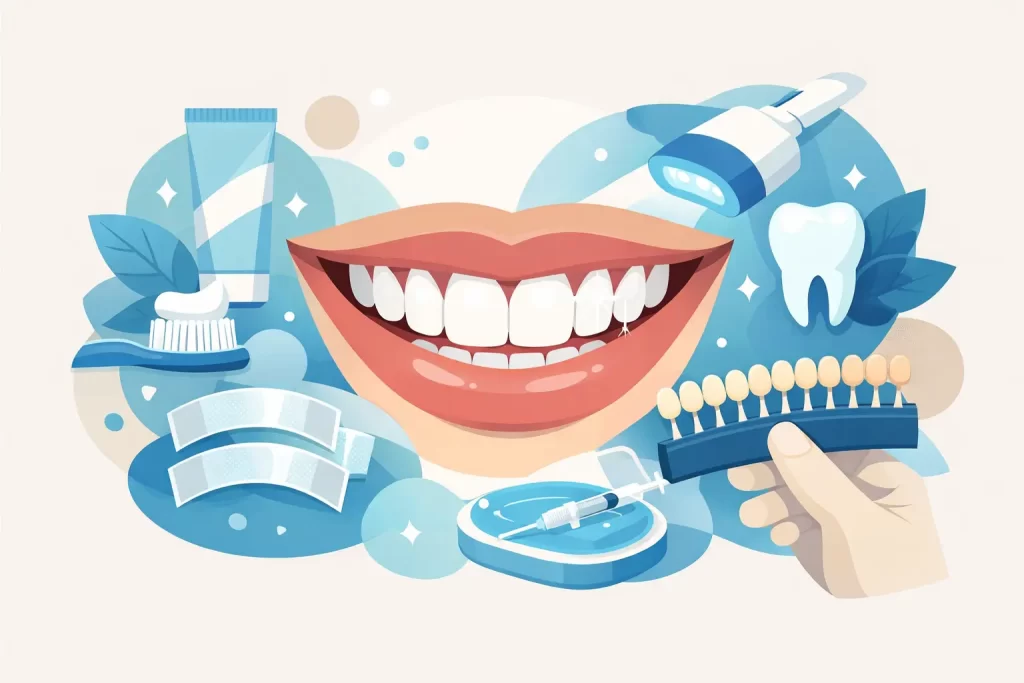
Teeth Whitening Options for a Brighter Smile
Coffee on the way to work, a favorite cup of tea, red wine at dinner, and the natural changes that come with time can all leave teeth looking less bright than they once did. Teeth whitening is a popular way to refresh your smile, but the best result is not simply about choosing the strongest product. It is about choosing an approach that is safe for your teeth, suitable for your goals, and guided by a clear understanding of what is causing the discoloration.
A brighter smile can be a meaningful confidence boost before a wedding, interview, milestone celebration, or simply because you are ready to enjoy seeing your smile in photos again. At the same time, whitening should complement good oral health, not replace it. A professional dental assessment helps ensure your teeth and gums are ready before treatment begins.
Why Teeth Lose Their Brightness
Tooth discoloration is common, and it is not always caused by poor brushing. Many everyday foods and drinks contain pigments that can gradually settle into the outer enamel. Coffee, tea, cola, red wine, richly colored sauces, and berries are frequent contributors. Tobacco use can also create stubborn yellow or brown staining.
There is another type of discoloration that happens from within the tooth. As enamel naturally becomes thinner over time, the warmer dentin layer beneath it can become more visible. Previous injury, certain medications, decay, and older dental work may also affect a tooth’s color. This distinction matters because surface stains and deeper color changes do not always respond in the same way.
A scale and polishing may remove surface buildup and leave your smile looking fresher. If the color of the teeth themselves still appears yellow or dull afterward, whitening may be the next appropriate step.
Professional Teeth Whitening and Store-Bought Products
There is no single whitening option that suits everyone. Over-the-counter strips, gels, toothpastes, and trays can be convenient and may help with mild staining. However, their strength, fit, and results can vary considerably. Whitening toothpaste, for example, often works mainly by polishing away surface stains rather than changing the underlying shade of the tooth.
Professional teeth whitening is planned around your smile. Your dentist can examine your teeth and gums, discuss your ideal result, and recommend a treatment approach that balances effectiveness with comfort. Professionally guided treatment also allows for better attention to issues such as tooth sensitivity, exposed root surfaces, cavities, gum irritation, or uneven discoloration.
The goal is a naturally brighter result, not an artificial-looking shade. Some patients want a noticeable change for a special occasion, while others prefer a gradual improvement that still looks subtle and familiar. Both are reasonable goals, and your treatment should reflect your preference.
Why an Assessment Comes First
Whitening products are designed for healthy natural tooth structure. If you have untreated decay, a cracked tooth, leaking filling, inflamed gums, or significant sensitivity, whitening without an assessment can lead to discomfort and may not be the right first step.
An exam also helps set realistic expectations. Crowns, veneers, bonding, fillings, and dentures do not whiten in the same way as natural enamel. If you have a visible crown or filling at the front of your smile, your dentist may recommend whitening your natural teeth first and then considering whether existing restorations need to be replaced to match the new shade.
This careful planning is especially valuable for patients who have invested in restorative work and want a more even, polished appearance without compromising the health of their smile.
What to Expect During Whitening Treatment
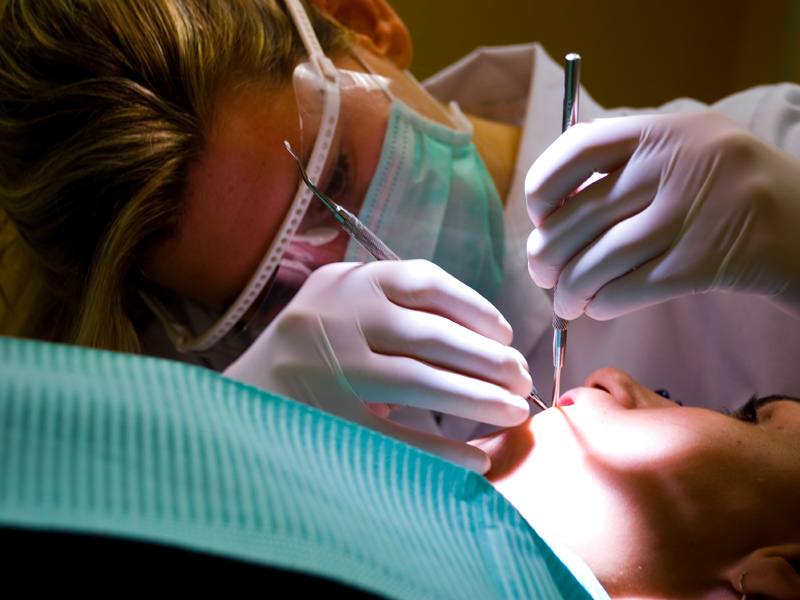
Whitening treatment begins with a conversation about your dental history, current concerns, and the result you hope to achieve. Your dentist may record your starting shade so you can see the change clearly over time. If a cleaning is needed, it may be recommended before whitening to remove plaque, tartar, and surface stains.
Depending on the recommended option, whitening may be completed in the dental office, at home with custom-fitted trays, or through a combination of both. In-office treatment is often chosen by patients who want a more immediate improvement under professional supervision. Custom trays can offer a controlled at-home option and may be useful for patients who prefer to brighten their smile gradually.
During treatment, some people experience temporary sensitivity, often described as a brief tingling or zinging sensation. This usually settles after treatment, but it should never be ignored. Let your dental team know if sensitivity has been an issue in the past. Adjusting the treatment schedule, gel strength, or application time can often make whitening more comfortable.
Who May Need a Different Cosmetic Solution?
Whitening is effective for many common types of yellowing and staining, but it has limits. A single dark tooth following an injury or root canal treatment may require a more tailored approach. Gray, brown, or deeply discolored teeth may not respond evenly to conventional whitening.
For some patients, cosmetic bonding or veneers may provide a better solution for persistent discoloration, uneven shapes, chips, or gaps. These options can improve both color and appearance, though they involve different costs, treatment steps, and long-term care needs. The right choice depends on the condition of your teeth and the changes you want to make.
A caring dentist will not push whitening when another treatment is more appropriate. Preserving healthy natural teeth and selecting conservative care whenever possible should remain the priority.
How to Keep Your Smile Brighter
Whitening results are not permanent because teeth are exposed to staining foods and drinks every day. With thoughtful care, however, you can help your brighter smile last longer. Brush twice daily with fluoride toothpaste, clean between your teeth daily, and keep up with regular professional cleanings.
It also helps to rinse with water after coffee, tea, red wine, or strongly colored foods. Using a straw for cold drinks that stain can reduce contact with the front teeth. If you smoke or use tobacco, reducing or stopping use can make a major difference for both the color of your teeth and your overall oral health.
Touch-up treatment may be appropriate from time to time, especially if you enjoy coffee or tea regularly. Your dentist can recommend a schedule based on your whitening method, sensitivity level, and the shade you would like to maintain. Avoid using whitening products too often or mixing multiple products without guidance. More product does not automatically mean a better result, and overuse can increase sensitivity or irritate the gums.
A Brighter Smile Should Still Feel Like Your Smile
The best whitening result is one that looks healthy, balanced, and right for you. It should enhance your confidence without creating discomfort or leaving you unsure about the next step. At Restorative Dental Jamaica, a personalized approach can help you understand your options in a relaxed, welcoming setting.
If your smile has begun to look dull, start with a dental assessment rather than guessing at the store shelf. A few careful decisions can help you move toward a brighter smile while keeping your teeth and gums comfortably protected.
Leave a reply







Leave a reply