
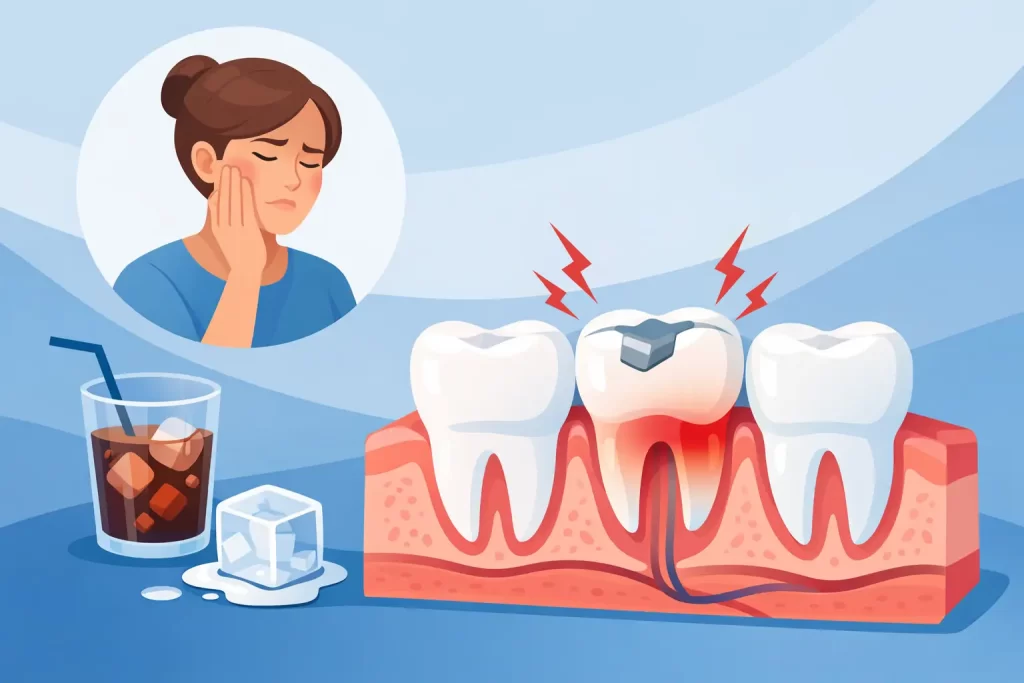
Sensitive Teeth After Filling: What’s Normal?
A new filling should leave you feeling relieved that decay has been treated, not worried every time you sip cold water. Still, sensitive teeth after filling are a common concern. A brief period of sensitivity can be part of the healing process, especially when the cavity was deep or the tooth was already irritated. The key is knowing what is expected, what you can do at home, and when discomfort needs a prompt dental review.
At Restorative Dental Jamaica, we want every patient to feel informed and comfortable after treatment. If something does not feel right, you never have to simply tolerate it and hope for the best.
Why Are Teeth Sensitive After a Filling?
A filling repairs a tooth that has been affected by decay, wear, or a small fracture. Even with gentle, modern treatment, the tooth and surrounding nerve can be temporarily irritated during the process. The inner portion of the tooth contains tiny channels that communicate changes in temperature and pressure to the nerve. After a filling, those channels may be more reactive for a little while.
Sensitivity is especially common when a filling is close to the nerve, when a large area of decay was removed, or when the tooth had been painful before treatment. You may notice a quick zing with cold drinks, sweets, or hot foods. Some people also feel mild tenderness when biting.
The filling material can play a role as well. Tooth-colored composite fillings bond directly to the tooth and are an excellent, natural-looking option. However, the tooth can need time to settle after the procedure. That does not mean the filling has failed. It means the tooth is responding to recent treatment.
How Long Should Sensitivity Last?
For many patients, mild sensitivity improves steadily within a few days and is gone within one to two weeks. A deeper filling may take several weeks to fully settle. What matters most is the pattern: discomfort should become less frequent and less intense over time.
A short, sharp sensation that stops once the cold drink or sweet food is gone is generally less concerning than pain that lingers. Sensitivity that wakes you at night, starts on its own, or becomes stronger each day deserves attention sooner.
Every tooth is different. A small filling in a shallow cavity may feel normal immediately, while a tooth with deep decay can take longer to calm down. Your dentist can explain what is realistic for your specific treatment and the condition of the tooth before it was restored.
Common Causes of Sensitive Teeth After Filling
The Tooth Nerve Is Recovering
When decay gets close to the pulp, the living tissue at the center of the tooth, the nerve may be inflamed before treatment even begins. Removing the decay and sealing the tooth protects it from further bacteria, but the nerve still needs time to recover. This can cause temporary sensitivity to cold, heat, or pressure.
Your Bite May Need a Small Adjustment
A filling should blend comfortably into your natural bite. If it sits even slightly too high, that tooth may receive extra pressure every time you chew. The result can be tenderness when biting or a feeling that the tooth hits first.
This is usually easy to correct. A dentist can gently polish and adjust the filling so your bite feels balanced again. Do not wait for a high filling to wear down on its own if chewing feels uncomfortable.
A Crack or Deeper Problem Was Already Present
Sometimes a tooth has a crack, extensive decay, or deeper nerve irritation that is not fully apparent until after the filling is placed. A filling can restore the damaged area, but it cannot always reverse inflammation inside the tooth. In these situations, further treatment, such as a dental crown or root canal therapy, may be the best way to preserve the natural tooth.
This does not mean a filling was the wrong choice. It may have been the appropriate first step based on what was visible at the time. Follow-up symptoms help your dentist determine whether the tooth needs additional protection.
What You Can Do at Home
For mild, improving sensitivity, give the tooth a chance to rest. Choose room-temperature foods and drinks for several days if cold or heat triggers discomfort. Try to chew on the opposite side until the tooth feels more comfortable, especially if it is tender under pressure.
A toothpaste made for sensitive teeth may help reduce sensitivity over time. Brush twice daily with a soft-bristled toothbrush and gentle pressure. Brushing aggressively can irritate the gumline and expose sensitive root surfaces, which may make the problem feel worse.
If you can safely take over-the-counter pain relief, use it only as directed on the label or as advised by your dentist or physician. Avoid placing aspirin or any pain medication directly on the gum or tooth. It will not treat the cause and can injure the soft tissue.
It is also wise to avoid testing the tooth repeatedly with ice, very hot drinks, or hard foods. Constantly triggering the tooth can make it difficult to tell whether it is truly improving.
When to Call Your Dentist About Sensitive Teeth After a Filling
Please contact your dental office if the sensitivity is severe, does not improve after about two weeks, or interferes with eating and sleeping. A quick check can provide reassurance and, when needed, prevent a small issue from becoming a larger one.
Call promptly if you notice any of the following:
- Pain that lingers for more than a few seconds after hot or cold foods
- Sharp pain or pressure when biting, especially if your bite feels uneven
- Throbbing pain that starts without eating or drinking
- Swelling of the gum, face, or jaw, or a bad taste near the tooth
- A filling that feels loose, rough, cracked, or missing
Swelling, fever, or difficulty swallowing should be treated as urgent concerns. Contact a dentist right away, and seek emergency medical care if there is trouble breathing or significant facial swelling.
How a Dental Visit Can Help
A follow-up appointment is usually straightforward and focused on finding the source of the discomfort. Your dentist may check how the tooth contacts the opposing teeth, examine the filling and surrounding gums, and use digital X-rays or other diagnostic tools when appropriate. This helps distinguish normal post-treatment sensitivity from a bite issue, crack, recurrent decay, or nerve problem.
If the bite is high, a small adjustment may bring relief quickly. If the nerve is significantly inflamed, the dentist can discuss options designed to save the tooth, including root canal therapy followed by a crown when needed. Preserving a natural tooth is always the goal whenever it is clinically possible.
Preventing Problems With Future Fillings
The best way to reduce the risk of deep fillings and post-treatment sensitivity is to treat decay early. Routine dental assessments, professional cleanings, and digital X-rays can identify changes before they reach the deeper layers of a tooth. For children and adults who are prone to decay in the back teeth, preventive services such as fissure sealants may also be helpful.
At home, consistent brushing with fluoride toothpaste, daily cleaning between the teeth, and limiting frequent sugary snacks can make a meaningful difference. It is not only the amount of sugar that matters, but how often teeth are exposed throughout the day.
A filling is meant to restore comfort, function, and confidence in your smile. If your tooth is slowly settling, a little patience and gentle care may be all it needs. If pain is persistent or worsening, a timely visit gives you clear answers and the best chance of keeping that tooth healthy for years to come.
Leave a reply








Leave a reply