
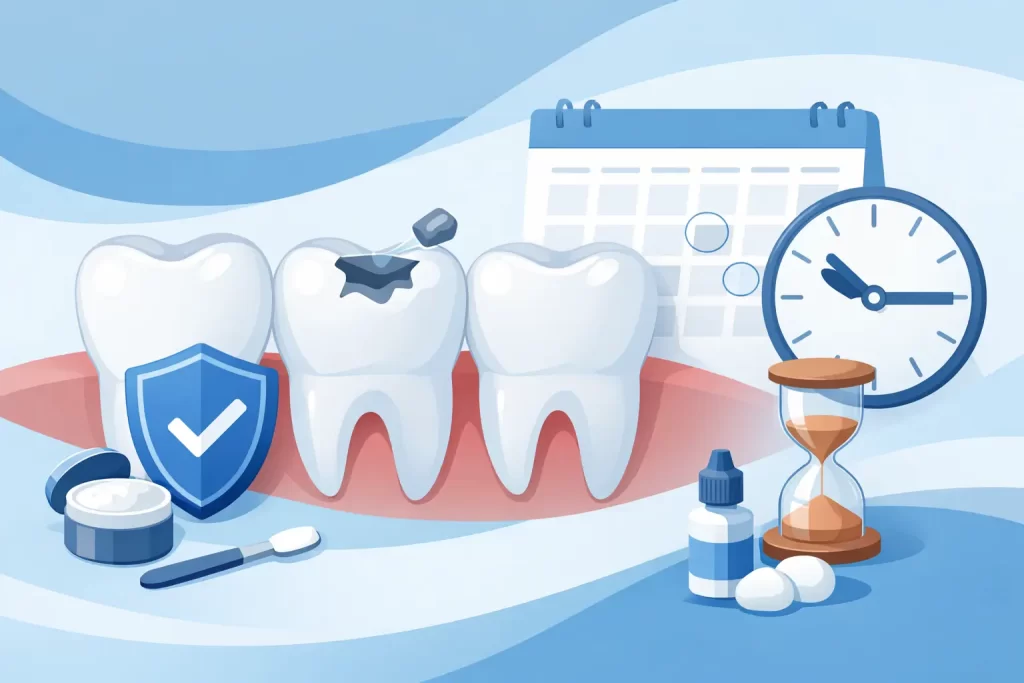
How to Save a Loose Filling Until Your Appointment
A filling that suddenly feels loose can make every sip of coffee, bite of food, or brush of your tongue feel alarming. Knowing how to save a loose filling can help you stay comfortable and protect the tooth temporarily, but it is not a substitute for professional dental care. A loose filling needs to be assessed and repaired promptly so decay, sensitivity, or a crack does not become a larger problem.
The good news is that you can take calm, practical steps while you arrange an appointment. The goal is simple: keep the area clean, avoid putting pressure on the tooth, and do not attempt a repair that could make treatment more difficult.
Why a loose filling needs prompt attention
A filling can loosen for several reasons. Normal wear over time, biting on something hard, teeth grinding, a new cavity forming around the filling, or a small fracture in the tooth can all weaken the bond between the filling and tooth.
Even when there is no pain, a loose filling creates a small opening where bacteria and food particles can collect. That opening may allow decay to spread underneath the restoration or closer to the tooth’s nerve. Addressing it early may mean a straightforward replacement filling. Waiting too long can sometimes lead to the need for a crown, root canal treatment, or other restorative care.
If the filling has only shifted slightly and is still attached, resist the urge to press it back into place. It may not seat correctly, and pressure can crack the tooth or push debris deeper into the area.
How to save a loose filling at home temporarily
Home care is about protecting the tooth until your dentist can examine it. It is not about permanently reattaching the filling.
First, rinse your mouth gently with warm salt water. Mix about half a teaspoon of salt into a cup of warm water, swish carefully, and spit it out. This can help clear food debris and soothe irritated gum tissue around the tooth.
Brush as usual, but use a soft toothbrush and a gentle touch around the loose filling. Keeping the tooth clean matters, especially if the filling has lifted enough to trap food. Floss carefully as well. Slide the floss out from the side rather than snapping it upward, since lifting the floss straight out could dislodge the filling completely.
If a piece of filling comes out, keep it if you can find it. Place it in a clean container and bring it to your dental appointment. Your dentist may not be able to reuse it, but seeing the material can sometimes be helpful when evaluating what happened.
A pharmacy may carry temporary dental filling material designed for short-term use. Follow the product instructions exactly, and use it only as a protective measure while waiting for professional care. It can be useful when a filling has fallen out and the tooth has a sharp edge or an open space, but it does not treat decay or restore the tooth’s full strength.
Do not use household glue, craft adhesive, chewing gum, candle wax, or any non-dental material. These products are not safe for use in the mouth, can irritate tissues, and may interfere with your dentist’s ability to clean and restore the tooth properly.
Keep pressure off the affected tooth
A loose filling is more likely to break or fall out when it is repeatedly exposed to chewing force. Until your visit, chew on the opposite side of your mouth whenever possible. Choose softer foods such as yogurt, eggs, soups that are not too hot, cooked vegetables, rice, pasta, and fish.
Avoid sticky foods that can pull on the filling, including caramel, chewing gum, and taffy. Hard foods such as nuts, ice, hard candy, and popcorn kernels can crack a weakened tooth or dislodge the filling. Very hot, cold, sweet, or acidic foods may also trigger sensitivity if the inner part of the tooth is exposed.
If you grind or clench your teeth at night and have a dentist-made night guard, continue wearing it unless it causes pain or pushes against the loose restoration. Grinding places significant stress on fillings and may be one reason the problem developed in the first place.
Managing sensitivity or discomfort
Sensitivity after a filling loosens is common. The tooth may react to temperature, air, or pressure because the protective seal is no longer intact. A toothpaste formulated for sensitive teeth can help, although it may take several uses to notice a difference.
For mild discomfort, an over-the-counter pain reliever may be appropriate if you can take it safely. Follow the label directions and speak with a pharmacist or healthcare professional if you have medical conditions, take prescription medications, are pregnant, or are unsure which option is suitable for you.
Do not place aspirin directly on the tooth or gums. This will not fix tooth pain and can burn the soft tissue. Likewise, avoid repeatedly poking the filling with a fingernail, toothpick, or utensil to check whether it is moving. That can make a small problem worse.
When a loose filling becomes urgent
A loose filling should be scheduled as soon as possible, ideally within a few days. However, some symptoms call for same-day dental attention or urgent medical evaluation.
Contact a dentist promptly if you develop severe or worsening pain, facial swelling, gum swelling, a fever, a bad taste with drainage, or pain that keeps you awake. These can indicate infection or inflammation involving the tooth’s nerve.
You should also seek prompt care if a large portion of the tooth breaks, the tooth feels cracked when you bite, or the loose filling has left a sharp edge that is cutting your tongue or cheek. If swelling affects your breathing or swallowing, seek emergency medical care immediately.
What your dentist may do
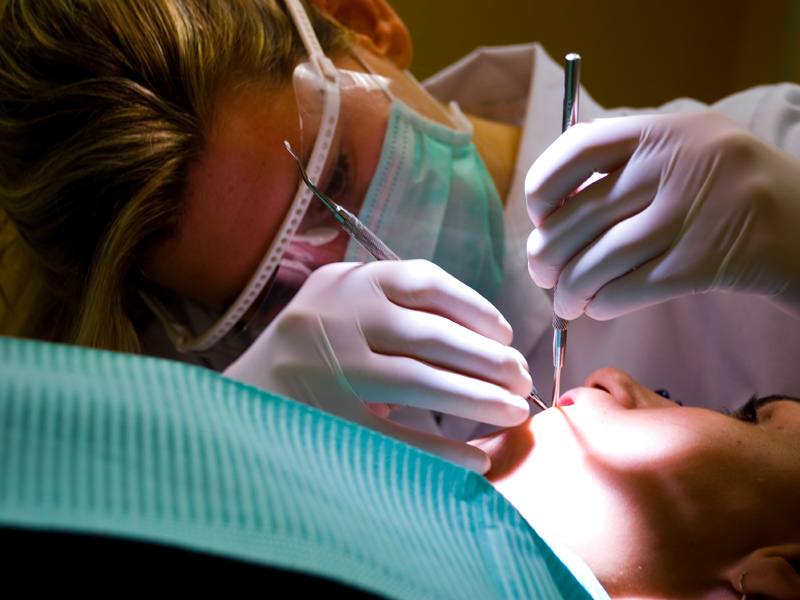
Your appointment begins with an examination of the filling, surrounding tooth structure, and gums. Digital X-rays and intraoral images can help reveal decay beneath the restoration, a crack in the tooth, or changes near the root that are not visible from the outside.
If the tooth is healthy and strong enough, your dentist may remove the old material, clean the area thoroughly, and place a new white filling. This is often the most conservative approach and supports the goal of preserving as much natural tooth structure as possible.
Sometimes the filling was only the visible sign of a larger concern. A tooth with extensive damage may need a crown for better protection. If decay or a fracture has reached the nerve, root canal therapy may be recommended before the tooth is restored. While these possibilities can sound concerning, prompt treatment gives your dentist more options to save the tooth comfortably and effectively.
Can you prevent fillings from loosening again?
Not every loose filling is preventable, particularly if it has served you well for many years. Still, consistent preventive care can reduce the chance of recurrent problems. Brushing twice daily with fluoride toothpaste, cleaning between your teeth each day, and attending regular dental assessments allow small changes around fillings to be caught early.
Tell your dentist if you clench, grind, or wake with jaw soreness. A custom night guard may help protect both natural teeth and restorations. It also helps to avoid chewing ice and using your teeth to open packages, two habits that can place unnecessary force on fillings and tooth edges.
At Restorative Dental Jamaica, we understand that a loose filling can feel inconvenient and unsettling, especially when you are trying to manage work, family, and everyday life. A timely visit can restore your comfort, protect your tooth, and help you get back to smiling and eating with confidence.
A loose filling rarely improves on its own, but you do not need to panic. Keep the area clean, protect it from pressure, avoid makeshift repairs, and arrange professional care soon. Taking those few careful steps now can make a meaningful difference for your tooth later.
Leave a reply







Leave a reply