
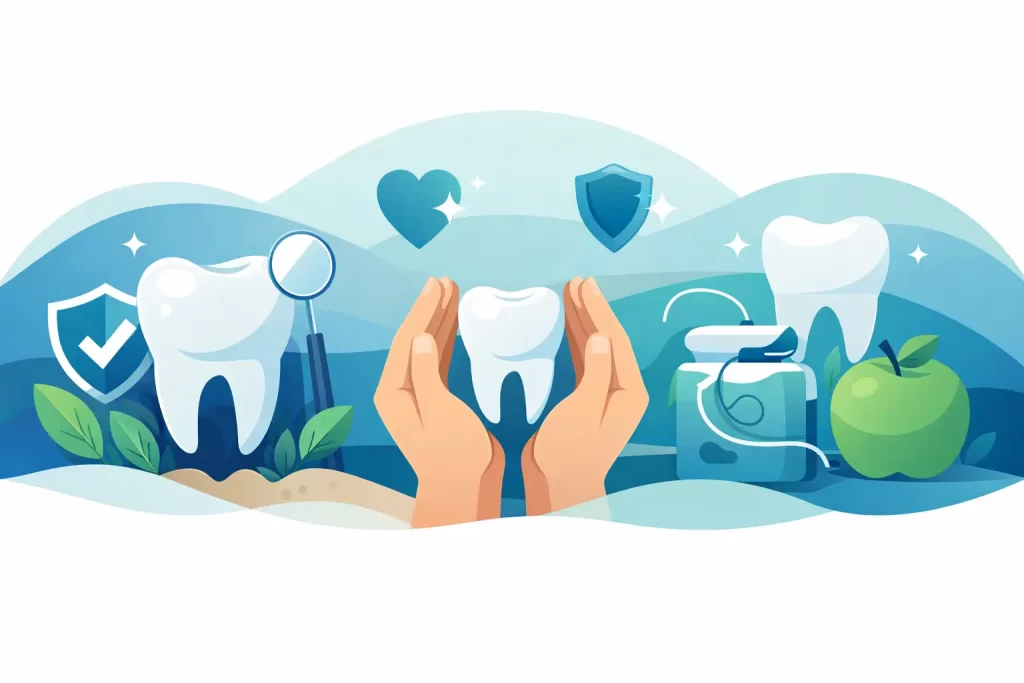
A Practical Guide to Preserving Natural Teeth
A chipped tooth after lunch, a dull ache that comes and goes, gums that bleed a little when you brush – these are often the moments that decide whether a tooth is saved or lost. This guide to preserving natural teeth starts with a simple truth: the earlier you protect and treat a problem, the more likely you are to keep your own teeth strong, comfortable, and functional for years.
For most people, preserving natural teeth is not about perfection. It is about consistency, early attention, and choosing care that protects what you already have. Natural teeth help you chew better, speak clearly, and maintain the shape of your smile. They also matter for confidence. When a tooth can be preserved, that is usually the best place to begin.
Why preserving natural teeth matters
Your natural teeth are designed to work together. Each tooth supports your bite, helps distribute chewing pressure, and plays a role in keeping neighboring teeth in position. Once a tooth is lost, the effects can extend beyond the gap itself. Nearby teeth may shift, opposing teeth may over-erupt, and everyday eating can become less comfortable.
There is also a practical side to preservation. Saving a tooth early is often simpler and more affordable than waiting until damage becomes severe. A small cavity may only need a filling. Left untreated, that same tooth could later need root canal therapy, a crown, or extraction. Good dentistry is not only about fixing problems. It is about preventing small issues from becoming major ones.
The daily habits that make the biggest difference
A strong guide to preserving natural teeth has to begin at home, because most tooth-saving success happens between dental visits. Brushing twice a day with fluoride toothpaste remains one of the most effective ways to protect enamel and reduce decay. Technique matters just as much as frequency. Gentle, thorough brushing along the gumline removes plaque without wearing down teeth or irritating the gums.
Flossing or cleaning between teeth every day is equally important. Toothbrush bristles cannot fully reach those tight spaces where plaque collects and cavities often start. If traditional floss feels difficult, floss picks or interdental cleaners can help. The best method is the one you will use consistently.
Diet also plays a bigger role than many people realize. Frequent snacking on sugary or acidic foods gives bacteria more opportunities to produce acid that weakens enamel. It is not only candy that causes trouble. Sodas, sports drinks, sweetened coffee, and even constant sipping of juice can keep your mouth in an acidic state for hours. If you enjoy these drinks, having them with meals instead of throughout the day can reduce damage.
Hydration helps too. A healthy flow of saliva protects teeth by washing away food particles and buffering acids. Dry mouth, whether caused by medication, stress, or mouth breathing, can increase the risk of decay. If your mouth often feels dry, it is worth bringing up at your dental visit.
A guide to preserving natural teeth with regular dental care
Even excellent home care has limits. Plaque can harden into tartar, early decay can hide between teeth, and cracks may not be visible without a close exam. Routine dental assessments and professional cleanings give you a chance to catch problems before they become painful or expensive.
This is where modern technology can make a real difference. Digital x-rays can reveal decay, infection, and bone changes earlier than the naked eye can. Intraoral cameras can also help patients see what the dentist sees, which makes treatment decisions feel clearer and more comfortable. For many adults, confidence in care comes from understanding exactly what is happening and why treatment is recommended.
The timing of visits depends on your needs. Some patients do well with standard checkups, while others need closer monitoring because of gum issues, frequent decay, grinding, or past dental work. There is no one-size-fits-all schedule. The right plan is the one based on your mouth, your risk factors, and your goals.
Treat problems early, not perfectly late
One of the most common reasons people lose teeth is delay. It is easy to postpone care when discomfort is mild or intermittent. Many dental problems are manageable in their early stages and much more complicated once pain becomes intense or infection sets in.
A cavity caught early can often be treated with a white filling that restores the tooth while keeping a natural appearance. A tooth with deeper damage may still be saved through root canal therapy, which removes infection from inside the tooth and allows it to remain in place. If the tooth structure has been weakened, a crown can provide added strength and protection.
This is where the trade-offs matter. Not every damaged tooth needs the same treatment, and the most conservative option is not always the shortest appointment. Saving a tooth may require more than one step, but preserving it can offer better long-term function than removing it too quickly. A careful dentist looks at the condition of the tooth, the surrounding bone and gums, your bite, and what will give you the most stable result.
Gum health is part of tooth preservation
Teeth do not stand alone. Healthy gums and supporting bone are essential if you want to keep your natural teeth. Bleeding gums, persistent bad breath, tenderness, or gum recession can be signs that the foundation of your teeth needs attention.
Gum disease often develops quietly. In the early stage, it may seem minor and reversible with improved cleaning and professional care. In more advanced cases, infection can damage the bone that holds teeth in place. This is why regular scale and polishing appointments matter. They are not just for a cleaner look. They are part of protecting the structures that keep your teeth stable.
If you have been told you grind your teeth, that is another factor worth addressing. Grinding can place heavy pressure on both teeth and gums, contributing to wear, cracks, and sensitivity. A protective night guard may help preserve enamel and reduce stress on your smile.
Protecting teeth through every stage of life
Preserving natural teeth looks a little different depending on age and lifestyle. For children and teens, prevention may include fissure sealants to protect deep grooves where decay often starts. For busy adults, the challenge is usually staying ahead of early wear, stress-related grinding, and postponed treatment. For older adults, preserving natural teeth may involve managing dry mouth, maintaining existing dental work, and monitoring gum health more closely.
Families often benefit from having one trusted dental home where prevention, restorative care, and cosmetic improvements can all be handled with a consistent approach. That continuity makes it easier to catch changes early and build treatment plans that protect natural teeth rather than rushing to more aggressive options.
When cosmetic goals and preservation work together
Many patients think of dental care in separate categories – health on one side, appearance on the other. In reality, they often overlap. Bonding can repair chips while improving appearance. Aligners can make cleaning easier by correcting crowding. Crowns can restore both strength and shape. Even whitening tends to work best when the underlying teeth and gums are healthy.
That said, cosmetic treatment should support oral health, not compete with it. If a patient wants a brighter or more even smile, the first step should still be an assessment of the teeth and gums. A beautiful smile lasts longer when it is built on a healthy foundation.
What to do if you already have a damaged or painful tooth
If a tooth is cracked, sensitive, discolored, or painful, the next best step is not to guess. It is to have it examined promptly. Pain does not always mean the tooth is beyond saving, and a lack of pain does not always mean a tooth is healthy. Some serious problems stay quiet until they become urgent.
At Restorative Dental Jamaica, preserving natural teeth is a central part of care, and that patient-first approach matters when you are deciding what to do next. A thoughtful evaluation can show whether a tooth needs a simple restoration, protective coverage, infection treatment, or close monitoring. What matters most is making that decision early, while more options are still on the table.
Keeping your natural teeth is rarely about one dramatic fix. It usually comes down to small, smart choices made at the right time – better home care, regular checkups, and treatment before damage spreads. If something feels off, trust that instinct and let it be checked. The tooth you save now may spare you far more than pain later.
Leave a reply







Leave a reply