

Is Teeth Whitening Safe for Your Smile?
A brighter smile can look simple from the outside, but the question many patients ask before they book treatment is the right one: is teeth whitening safe? The short answer is yes, for most healthy adults, teeth whitening is generally safe when it is done correctly and for the right reasons. The part that matters is how it is done, what products are used, and whether your teeth and gums are healthy enough for whitening in the first place.
That is where professional guidance makes a real difference. Whitening is cosmetic, but it still involves your enamel, your gums, and the overall condition of your mouth. If there is untreated decay, gum irritation, cracked teeth, or exposed roots, whitening can go from helpful to uncomfortable very quickly.
Is teeth whitening safe when done professionally?
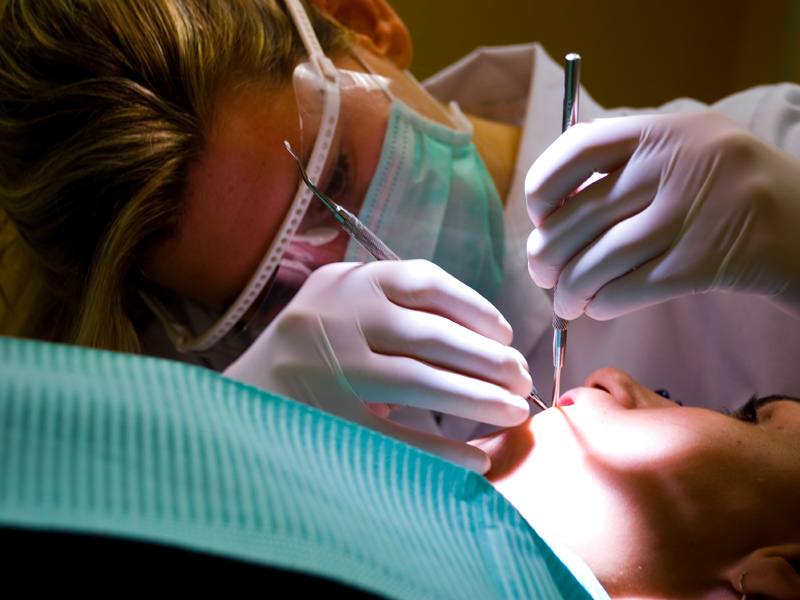
In most cases, yes. Professional teeth whitening is considered safe when it is performed under dental supervision or after a proper dental evaluation. The whitening gels used in dental offices are designed to lift stains from the enamel, and the process is controlled to reduce unnecessary irritation.
The biggest advantages of professional whitening are accuracy and protection. A dentist can check whether your discoloration is the kind that whitening can actually improve, examine for issues that may cause sensitivity, and protect the soft tissues around your teeth during treatment. That matters because not every yellow, dark, or uneven smile should be whitened right away.
Professional whitening also tends to be more predictable. Instead of guessing how long to leave a product on or whether it is strong enough, patients get a plan that fits their teeth, their goals, and their comfort level. For many people, that means a better result with less risk of overdoing it.
What actually makes whitening safe or unsafe?
The answer is not just the whitening ingredient itself. It depends on three things: the health of your mouth, the product being used, and how often you use it.
Most whitening systems rely on peroxide-based ingredients to break up stains. Used as directed, these ingredients are widely accepted in dentistry. Problems usually happen when someone whitens too often, uses poorly made products, skips a dental exam, or tries to whiten teeth that already have underlying issues.
If your enamel is healthy and your gums are in good condition, whitening is usually straightforward. If you already have sensitivity, worn enamel, gum recession, leaking fillings, or untreated cavities, whitening may trigger pain or create a disappointing result. Safe whitening starts with knowing what condition your teeth are in before treatment begins.
Tooth sensitivity is common, but usually temporary
This is the side effect most people notice first. Some patients feel brief sensitivity during or after whitening, especially when drinking something cold. That can sound alarming, but in many cases it is temporary and settles within a day or two.
Sensitivity does not always mean damage. It often means the whitening agent has temporarily made the tooth more reactive. However, if sensitivity is severe, lasts too long, or happens in just one area, it may point to another issue such as decay, a crack, or gum recession. That is one reason a professional evaluation is so valuable.
Gum irritation can happen if products are misused
Whitening gel is meant for teeth, not gums. When strips do not fit well or trays leak, the gel can irritate the surrounding tissue. Usually the irritation is mild and short-lived, but repeated exposure is not something to ignore.
This is another area where professional treatment has an advantage. Better-fitting trays, careful application, and monitoring during treatment all help lower the chance of irritation.
Overuse is where trouble starts
Many whitening problems are not caused by one proper treatment. They are caused by repeated treatments done too close together. Patients sometimes assume that if one session brightens the smile, several more will make it even better. In reality, there is a limit to how much whitening your teeth can tolerate comfortably.
Over-whitening can increase sensitivity and leave teeth looking unnaturally chalky or uneven. A brighter smile should still look healthy and natural. More is not always better.
Who should be careful before whitening?
Whitening is not the best first step for everyone. If you have cavities, gum disease, fractured teeth, worn enamel, or exposed root surfaces, those issues should be treated before you think about cosmetic whitening.
Pregnant or breastfeeding patients often choose to delay whitening simply out of caution. If you are under 18, whitening should be approached carefully and only with dental advice, because younger teeth can be more sensitive.
There is also the question of existing dental work. Crowns, fillings, bonding, and veneers do not whiten the same way natural enamel does. That means you can end up with uneven color if the natural teeth lighten while restorations stay the same shade. In those cases, whitening may still be an option, but it should be planned properly.
Is teeth whitening safe for sensitive teeth?
It can be, but this is very much an it-depends situation. People with naturally sensitive teeth are not automatically excluded from whitening, but they do need a more thoughtful approach.
That may mean using a lower-strength product, spacing treatments farther apart, choosing custom trays instead of generic ones, or preparing the teeth with desensitizing products first. Sometimes the safest recommendation is to postpone whitening until another dental issue has been addressed.
If you already avoid cold drinks because your teeth react strongly, do not start with an over-the-counter product on your own. A dentist can help you figure out whether the sensitivity is mild and manageable or a sign that something else needs attention.
Store-bought vs professional whitening
Over-the-counter products can be safe, but they come with more guesswork. Whitening strips, gels, pens, and kits vary widely in strength, fit, and quality. Some are perfectly reasonable for mild surface stains. Others promise quick results but create irritation because they are poorly fitted or overused.
The main trade-off is convenience versus customization. Store-bought products are easy to find and usually cost less upfront. Professional whitening costs more, but it gives patients a diagnosis, a treatment plan, and supervision. That often leads to safer, more even results, especially for people with previous dental work, sensitivity, or deeper staining.
If you choose a store-bought product, follow the instructions exactly. Do not wear strips longer than directed. Do not combine multiple whitening products at the same time. And do not use whitening as a substitute for a dental visit if your teeth already feel sore or your gums are inflamed.
What whitening can and cannot fix
Whitening works best on extrinsic stains, which are stains on the outer surface of the teeth from coffee, tea, red wine, smoking, and everyday aging. It can also improve some deeper discoloration, but not every stain responds the same way.
Gray tones, discoloration from trauma, and certain medication-related stains may not whiten evenly. In those situations, whitening may only partially help, and another cosmetic option may be more effective.
This is important because safety includes expectations too. A treatment is not truly successful if it is safe but leaves you frustrated because no one explained the likely result beforehand.
How to whiten safely and protect your results
The safest approach is simple. Start with a dental exam, make sure your mouth is healthy, and choose a whitening method that matches your needs rather than the strongest option on the shelf.
Good maintenance helps too. Brushing and flossing consistently, keeping up with cleanings, and limiting stain-heavy habits can help your results last longer. Using a straw for dark beverages and rinsing with water after coffee or wine can make a difference over time.
If your teeth start to feel sensitive during whitening, pause and ask for advice instead of pushing through. Comfort matters. A smile should look better without leaving you worried about your teeth afterward.
At a practice like Restorative Dental Jamaica, whitening is best approached as part of overall oral health, not as a quick cosmetic add-on. When teeth and gums are healthy, the process is more comfortable, the outcome is more natural, and patients can feel confident that they are making a safe choice for their smile.
The good news is that most people do not need to choose between a brighter smile and healthy teeth. With the right evaluation, the right products, and the right timing, whitening can be both safe and effective. If you have been wondering whether it is worth it, the most helpful next step is not guessing at home. It is getting clear, personalized advice based on your own smile.
Leave a reply







Leave a reply