
A Clear Guide to Restorative Dentistry
A chipped tooth after lunch, a filling that suddenly feels loose, a molar that aches every time you drink something cold – these are the moments when people start looking for a guide to restorative dentistry. Most patients are not asking for textbook definitions. They want to know what can be fixed, what treatment will feel like, how urgent it is, and whether the tooth can be saved.
Restorative dentistry is focused on repairing teeth that are damaged, decayed, weakened, or missing. The goal is simple: bring your mouth back to a healthy, comfortable, functional state while preserving as much natural tooth structure as possible. In many cases, timely care also improves the appearance of your smile, but the first priority is making sure you can bite, chew, and speak without pain or worry.
What restorative dentistry actually covers
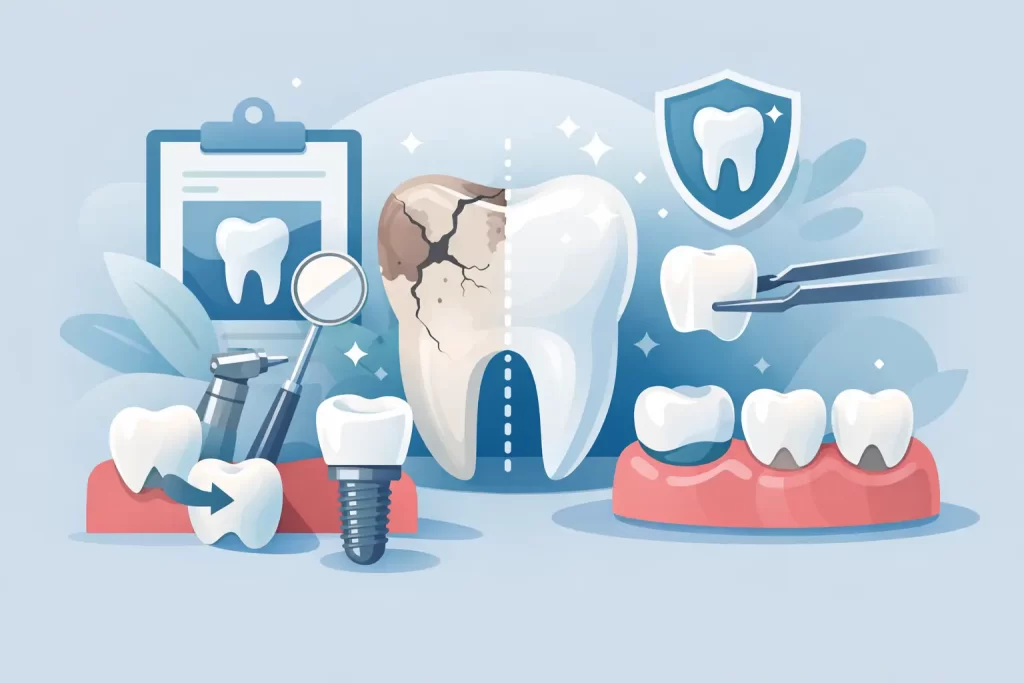
If you have ever had a filling, crown, root canal, bridge, or denture, you have already experienced restorative dental care. These treatments are designed to solve problems caused by cavities, fractures, wear, infection, or tooth loss.
Some restorations are small and straightforward. A white filling can repair a cavity or replace an older damaged filling in one visit. Other treatments are more involved. A badly broken or infected tooth may need root canal therapy followed by a crown to strengthen and protect it.
This is where a guide to restorative dentistry can be helpful. It gives patients a better sense of how dentists match the treatment to the problem. The right option depends on how much tooth structure remains, whether the tooth nerve is healthy, where the tooth sits in the mouth, and how much force it handles during chewing.
Common signs you may need restorative treatment
Not every dental problem starts with severe pain. In fact, many restorative issues begin quietly. You might notice sensitivity when eating sweets, food getting trapped between teeth, a dark spot that seems to be growing, or a tooth that feels rough along the edge.
Other signs are harder to ignore. These include a cracked tooth, swelling, pain when biting, a missing tooth, or an old crown or filling that has come loose. Some patients also seek restorative care because their teeth are worn down from grinding or years of heavy use.
The tricky part is that the same symptom can point to very different problems. Sensitivity might mean a small cavity, a cracked filling, gum recession, or a deeper infection. That is why a dental assessment matters. It allows your dentist to identify the true cause before recommending treatment.
The most common restorative dentistry treatments
White fillings
White fillings are often used for small to moderate cavities, chipped areas, or replacement of worn older fillings. They blend in naturally with the tooth and can usually be completed in a single appointment.
They work best when enough healthy tooth remains. If a tooth has lost too much structure, a filling may not be strong enough on its own.
Dental crowns
A crown covers and protects a tooth that is heavily damaged, weakened, or treated with a root canal. It restores strength, shape, and function. Crowns are often recommended when a tooth is too compromised for a regular filling.
The trade-off is that a crown typically requires more preparation than a filling. Still, when a tooth is at risk of breaking further, that extra protection can make all the difference.
Root canal therapy
If the inner part of the tooth becomes infected or inflamed, root canal treatment may be needed to save the tooth. This treatment removes the damaged tissue, cleans the canals, and seals the space.
Many patients worry about discomfort, but modern care is usually far more comfortable than people expect. The bigger concern is delay. Waiting too long can allow infection to spread and reduce the chances of saving the tooth.
Dentures and tooth replacement
When teeth are missing, restoring them is not only about appearance. Missing teeth can affect chewing, speech, and the balance of your bite. Dentures can replace several or all missing teeth and help restore daily function.
The best tooth replacement option depends on how many teeth are missing, your oral health, your budget, and your long-term goals. Some patients want the most economical solution now. Others prefer a treatment plan that supports future upgrades.
Extractions when a tooth cannot be saved
Restorative dentistry is strongly centered on preservation, but there are times when removing a tooth is the healthiest option. A tooth may be too severely broken, too infected, or too structurally compromised to restore predictably.
In that case, the conversation should not stop at extraction. It should also include a plan for what comes next so the missing tooth does not create new problems over time.
How dentists decide which treatment is right
Patients often ask, “Do I need a filling or a crown?” or “Can this tooth be saved?” The honest answer is that it depends.
A small cavity may only need a filling. A large cavity on a back tooth that absorbs a lot of chewing force may be better protected with a crown. A cracked tooth may be restorable if the crack has not traveled too deep. If the damage extends below the gumline or splits the tooth in an unfavorable way, saving it may not be realistic.
This is also where technology helps. Digital x-rays and intraoral cameras can give a clearer view of decay, infection, bone levels, and fractures. That makes it easier for patients to understand what is happening and feel more confident in the treatment plan.
What to expect at a restorative dental visit
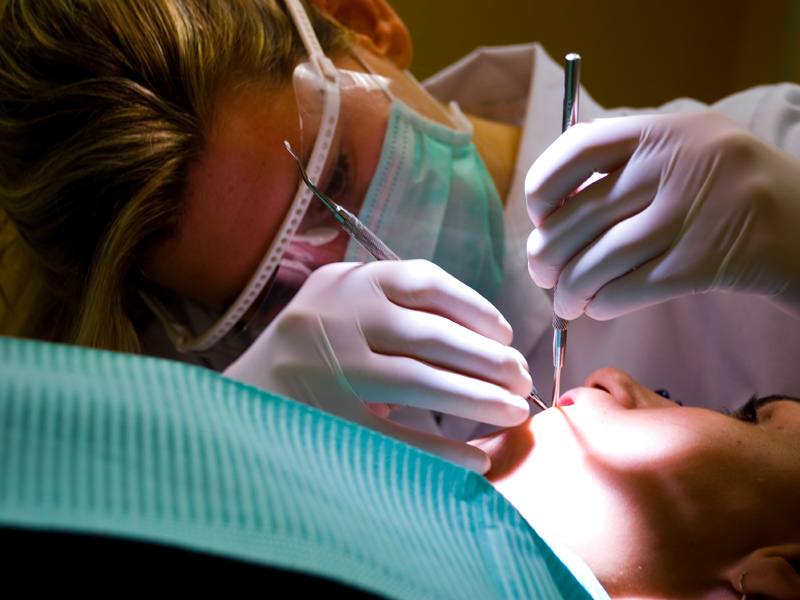
For many people, anxiety comes from not knowing what the appointment will feel like. A good restorative visit starts with a thorough exam, clear imaging when needed, and a conversation about your symptoms, goals, and concerns.
From there, your dentist will explain what is happening, what your treatment options are, and how urgent the issue may be. Some problems should be treated right away, especially infection, swelling, or severe pain. Others can be scheduled in phases.
Comfort matters here. A patient-centered office does more than provide treatment. It helps you feel informed, relaxed, and respected throughout the process. That is especially important if you have been putting off care because of fear, a busy schedule, or a previous bad experience.
Restorative dentistry and cosmetic results
There is often overlap between restorative and cosmetic care. A white filling repairs decay, but it also improves appearance. A crown can strengthen a damaged tooth and help it blend more naturally into your smile. Bonding may repair chips while also refining shape.
Still, function should lead the plan. A treatment that looks good but does not hold up under normal chewing is not a smart result. The best restorative dentistry supports both health and confidence, without sacrificing one for the other.
Cost, timing, and why early treatment saves trouble
One reason people delay treatment is cost. Another is time. Both are understandable, especially for busy adults and families balancing work, school, and household expenses.
But postponing restorative care often makes treatment more involved later. A small cavity may be handled with a filling. Leave it untreated, and it may progress to a root canal and crown or even tooth loss. A cracked filling can sometimes be replaced simply. If ignored, it can allow deeper decay to develop underneath.
That does not mean every recommendation is urgent in the same way. Some issues can safely wait a short time with monitoring. Others should be treated quickly. The value of a professional assessment is knowing the difference.
How to make restorations last longer
Restorative treatment is an investment in your health, and it lasts best when supported by good daily habits. Brushing twice a day, flossing regularly, keeping up with professional cleanings, and addressing grinding or clenching can all extend the life of your dental work.
Diet matters too. Constant snacking on sugary foods or chewing hard items like ice can shorten the lifespan of fillings, crowns, and natural teeth alike. If you have a history of decay or broken dental work, your dentist may recommend more frequent monitoring.
At Restorative Dental Jamaica, this kind of care is not just about fixing one tooth and sending you on your way. It is about helping you protect your smile for the long term with thoughtful treatment, modern technology, and a comfortable experience that makes it easier to keep coming back.
If you think something feels off in your mouth, trust that instinct. Early care is usually simpler, more conservative, and less stressful than waiting for a problem to announce itself loudly.
Leave a reply







Leave a reply