How to Prevent Tooth Decay Every Day
That quick sip of soda between meetings, the handful of crackers on the drive home, the bedtime routine that gets rushed – small habits like these are often where cavities begin. If you have been wondering how to prevent tooth decay, the good news is that prevention is usually less about doing something dramatic and more about being consistent with a few smart choices.
Tooth decay happens when bacteria in the mouth feed on sugars and starches, then produce acids that wear down tooth enamel. Over time, that damage can turn into a cavity, sensitivity, pain, or the need for more extensive treatment. The earlier you step in, the easier it is to protect your natural teeth and avoid bigger dental problems later.
How to prevent tooth decay starts with daily habits
The foundation is simple: clean the teeth well, reduce how often acids attack them, and make sure enamel has the support it needs to stay strong. That sounds straightforward, but the details matter.
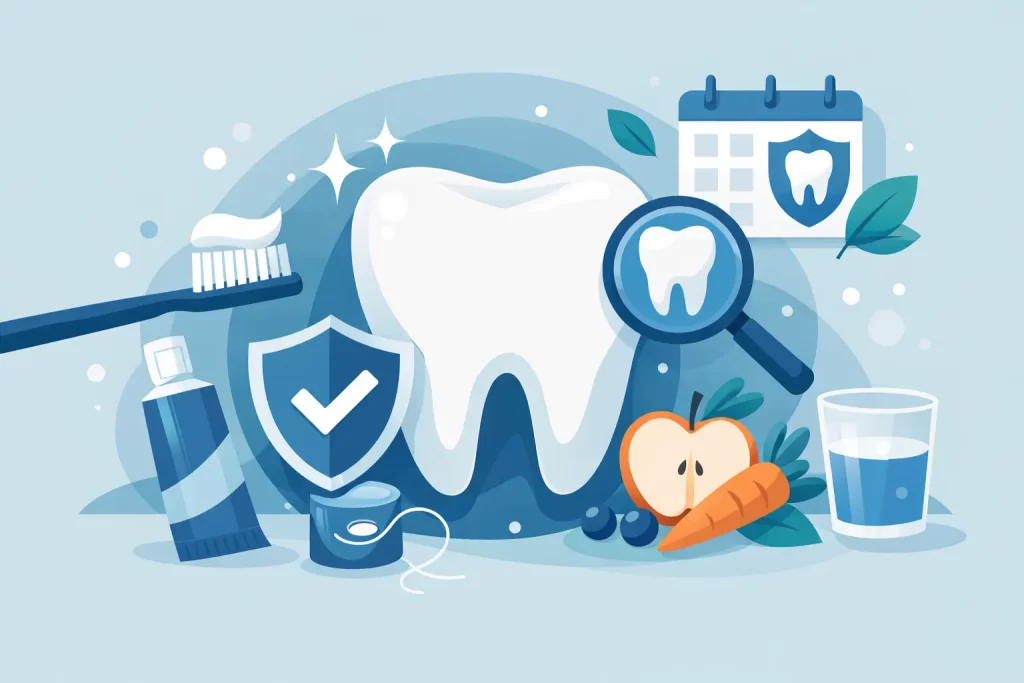
Brushing twice a day with a fluoride toothpaste is still one of the most effective ways to lower your risk of decay. Fluoride helps strengthen enamel and can even reverse very early areas of damage before a true cavity forms. Technique matters too. A rushed 20-second scrub will not do the same job as a thorough two-minute brushing that reaches along the gumline and all tooth surfaces.
Flossing is just as important, especially if you tend to get cavities between the teeth. A toothbrush cannot clean those tight spaces properly. When plaque stays there, it keeps feeding bacteria and allows decay to start where you may not see it until it is more advanced.
If you wear aligners, have crowns, or deal with crowded teeth, home care may need a little more attention. These situations do not mean cavities are inevitable, but they can create extra spots where food and plaque collect. In those cases, your dentist may recommend specific tools like floss threaders, interdental brushes, or a fluoride rinse.
Food and drink choices matter more than most people think
Many people assume sugar is the only issue. Sugar is a major factor, but frequency often matters just as much as quantity. Sipping sweet coffee for hours, snacking constantly, or reaching for sports drinks throughout the day gives bacteria repeated fuel. That means your teeth face acid attacks over and over, with less time to recover.
Sticky foods can be especially troublesome because they cling to the teeth longer. Dried fruit, chewy candy, and some processed snack foods may seem harmless in small amounts, but if they stay on the enamel, they continue feeding cavity-causing bacteria.
That does not mean you need a perfect diet to have a healthy mouth. It does mean it helps to be more intentional. Try to keep sugary foods and drinks to mealtimes rather than grazing on them all day. Water is usually the best drink between meals, especially if it helps rinse away food particles and reduce dryness.
If you enjoy acidic drinks like soda, juice, or flavored sparkling beverages, timing matters. Drinking them slowly over a long period is harder on enamel than having them with a meal. It also helps to avoid brushing immediately after something very acidic, since enamel can be temporarily softened. Waiting a little while gives saliva time to do some repair work first.
Saliva is one of your best natural defenses
People rarely think about saliva until they have less of it, but it plays a major role in protecting against decay. Saliva helps wash away food debris, neutralize acids, and deliver minerals that support enamel.
A dry mouth can increase the risk of cavities, sometimes quite quickly. This can happen because of certain medications, mouth breathing, dehydration, stress, or medical conditions. If your mouth often feels sticky or dry, or if you wake up thirsty with a dry tongue, it is worth paying attention.
Drinking more water can help, but sometimes that is only part of the solution. Sugar-free gum may stimulate saliva in some cases. If dry mouth is ongoing, a dental evaluation can help identify the cause and the best next steps. Preventive care is much easier when the problem is caught early.
Fluoride and sealants can add valuable protection
When patients ask how to prevent tooth decay beyond brushing and flossing, fluoride is often the next part of the conversation. Fluoride is not just for children. Adults benefit from it too, particularly if they have a history of cavities, gum recession, dry mouth, or dental work that creates more vulnerable areas around the teeth.
Depending on your needs, fluoride protection may come from toothpaste, mouth rinses, or in-office fluoride applications. It is not a one-size-fits-all decision. Someone with a low cavity risk may do well with standard home care, while someone with frequent decay may need stronger support.
For children and some teens, fissure sealants can be especially helpful. The chewing surfaces of back teeth have deep grooves where plaque can settle, even when brushing is good. Sealants act as a protective barrier in those areas. They do not replace home care, but they can lower the risk of decay where cavities often start.
Why regular dental visits are part of prevention
Even excellent brushing at home has limits. Plaque hardens into tartar, and tartar cannot be removed with a toothbrush. Professional cleanings help remove buildup and lower the bacterial load in the mouth. They also give your dentist a chance to spot early decay before it turns into pain or a bigger restorative problem.
This is where prevention becomes practical. A small area of early decay may be managed far more simply than a cavity that has reached deeper into the tooth. Left too long, what started as a minor issue can lead to a filling, a crown, root canal treatment, or even tooth loss.
Regular exams also help uncover the reasons decay keeps happening. Sometimes the issue is not just brushing habits. It may be a cracked filling, teeth grinding, gum recession exposing softer root surfaces, or dry mouth caused by medication. Modern tools such as digital x-rays and intraoral cameras can make these problems easier to detect and explain clearly.
How to prevent tooth decay in children and busy adults
Prevention looks a little different depending on your stage of life. For children, parents usually need to supervise brushing longer than expected. Many kids can hold a toothbrush well before they can clean thoroughly. Bedtime routines matter most because plaque and food left overnight have more time to do damage.
For adults, the biggest challenge is often consistency. Busy schedules, skipped meals followed by snacking, and delayed dental visits can quietly increase cavity risk. If you are balancing work, family, and everything else, keeping preventive care simple usually works best. A fluoride toothpaste, daily flossing, more water, and routine checkups go a long way.
If you have had fillings, crowns, or previous tooth pain, you may need to be especially careful. Restored teeth can last very well, but the edges around dental work can still collect plaque. Prevention does not stop after treatment. In many cases, it becomes even more important.
Signs you should not ignore
Tooth decay is not always painful at first. That is one reason people put it off. Sensitivity to sweets, cold drinks, or biting pressure can be early warning signs. So can rough spots on a tooth, food trapping in one area, bad breath that lingers, or visible darkening in grooves or between teeth.
Sometimes there are no obvious symptoms at all. That is why routine assessments matter. If something feels slightly off, it is usually better to get it checked sooner rather than waiting for it to become urgent.
A caring, modern dental office should make prevention feel approachable, not stressful. At Restorative Dental Jamaica, that patient-first mindset is part of protecting smiles for the long term, because the best dental treatment is often the one you never end up needing.
Healthy teeth are usually built through ordinary routines done well. A few steady habits today can save you discomfort, expense, and lost time later – and help you keep your smile strong with confidence.
Leave a reply







Leave a reply