
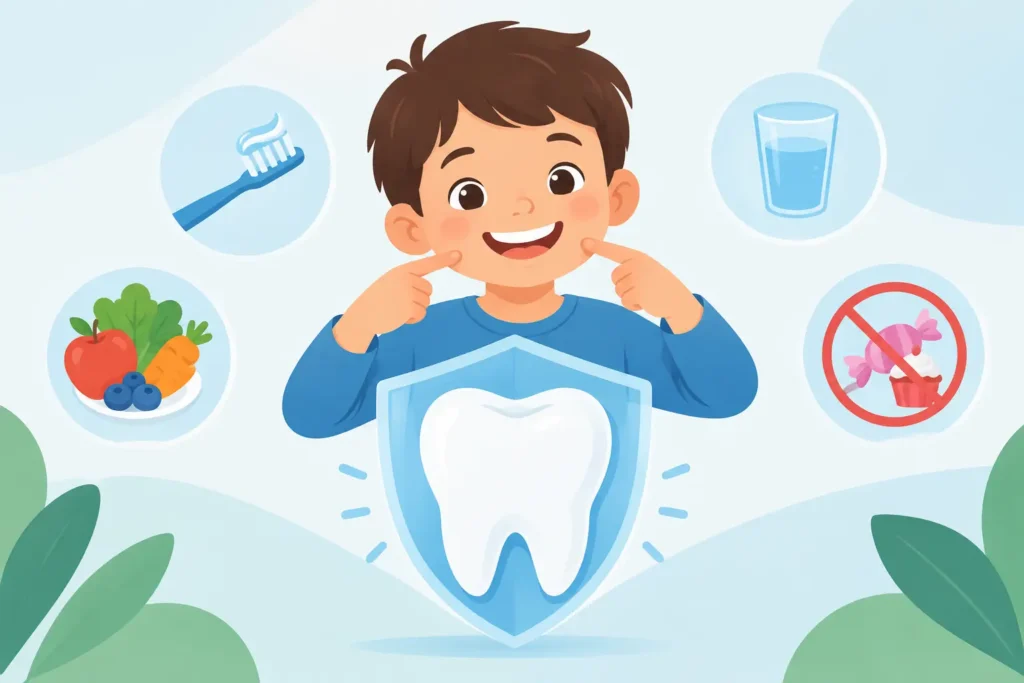
How to Protect Children’s Molars Every Day
Molars do some of the hardest work in a child’s mouth. Their broad, grooved surfaces grind food at every meal, but those same grooves can hold onto plaque and tiny food particles long after a quick brush. Knowing how to protect children’s molars gives your child a better chance of avoiding painful cavities, unexpected treatment, and missed school days.
The reassuring news is that molar protection does not require perfection. It comes from a few steady habits at home, timely preventive care, and attention to small changes before they become bigger dental concerns.
Why children’s molars need extra attention
Children usually get their first permanent molars around age 6, often before parents realize they are permanent teeth. Because these teeth appear behind the baby molars, a child may not brush them carefully at first. They can also be difficult to see, especially when a child is still learning to brush independently.
The chewing surfaces of molars have natural pits and fissures. Even a good toothbrush may not reach deep into every narrow groove. When bacteria feed on sugars and starches left on the tooth, they produce acids that weaken enamel. A cavity can begin quietly, with no pain at all.
Baby molars deserve the same care. They help children chew comfortably, speak clearly, and hold space for permanent teeth developing below the gums. Losing a baby molar too early can create challenges for the teeth that follow.
How to protect children’s molars at home
A strong home routine is the foundation of healthy molars. The goal is not to make brushing stressful. It is to make it thorough enough that plaque does not stay on the back teeth day after day.
Help with brushing longer than you may expect
Most young children need hands-on help with brushing. They may be enthusiastic, but they often lack the coordination to clean the gumline and the farthest molars effectively. A helpful rule is to let your child brush first, then have an adult do a careful final pass, particularly along the chewing surfaces and the outer sides of the back teeth.
Brush twice daily for two minutes using a soft-bristled toothbrush and fluoride toothpaste appropriate for your child’s age. For children under 3, use a rice-grain-sized smear. For children ages 3 to 6, use a pea-sized amount and encourage them to spit out the toothpaste rather than swallow it. If you are unsure about the right amount for your child, ask your dental team for individualized guidance.
At night, brushing matters most. Saliva flow decreases during sleep, so food debris and plaque have more time to affect the teeth. After the final brush, water is the best choice if your child is thirsty.
Do not skip the spaces between teeth
Molars can touch tightly, and a toothbrush cannot clean between them. Once teeth are touching side by side, flossing once a day becomes part of cavity prevention. Parents may need to floss for younger children, using whichever flossing method feels most manageable for the family.
If daily flossing feels difficult at first, start with the tightest contacts between the back teeth. Building the habit gradually is better than abandoning it because it feels like too much all at once.
Make snacks and drinks work in your favor
It is not only the amount of sugar that matters. The frequency of sugary or starchy snacks and drinks matters, too. Each time teeth are exposed to sugar, plaque bacteria can produce acid. Frequent sipping or grazing extends that exposure, especially when it happens after brushing or close to bedtime.
Choose water between meals whenever possible. Save sweet drinks, juice, cookies, chips, and sticky treats for occasional occasions and offer them with a meal rather than as repeated snacks throughout the day. Crunchy fruits and vegetables, cheese, plain yogurt, eggs, and nuts when age-appropriate can be practical snack options.
You do not have to eliminate every treat to care for your child’s smile. A realistic routine that limits repeated sugar exposure and includes good brushing afterward is more likely to last.
Consider fissure sealants for permanent molars
Fissure sealants are thin protective coatings placed over the deep grooves on the chewing surfaces of molars. They create a smoother barrier that helps keep food and bacteria out of the areas most likely to develop decay. The procedure is comfortable, quick, and does not require drilling into a healthy tooth.
Sealants are often recommended soon after permanent molars erupt, commonly around ages 6 and 12. Timing matters because newly erupted molars can be especially vulnerable while children are still learning consistent brushing techniques.
Sealants are not a substitute for brushing and flossing. They protect the chewing surface, while plaque can still collect along the sides of the tooth and near the gums. Think of them as one more layer of prevention for teeth that do a great deal of work.
Keep regular dental visits on the calendar
Routine dental visits allow small issues to be found before they become painful. During a child’s checkup, the dental team can examine molars closely, assess brushing effectiveness, monitor how permanent teeth are coming in, and recommend preventive services when appropriate.
Digital X-rays may be recommended based on your child’s age, dental history, and risk for decay. They can reveal cavities forming between teeth or beneath the visible surface, where they may not be seen during a visual exam alone. Not every child needs X-rays at every appointment. The decision should be based on what will provide useful information with the least necessary exposure.
Professional cleanings also help remove plaque in areas children commonly miss. Just as valuable, these visits help children become familiar with dental care in a calm, supportive setting. A child who feels listened to and comfortable is more likely to keep good oral health habits as they grow.
Watch for signs that a molar may need care
Early cavities may not cause obvious discomfort, which is why preventive visits are so helpful. Still, contact your dentist if your child mentions tooth pain, sensitivity to cold or sweets, pain when chewing, or food repeatedly getting trapped in one area.
You may also notice a dark spot, a white chalky area, swelling near a tooth, bad breath that persists despite brushing, or a change in how your child eats. Do not wait for severe pain to seek advice. Dental decay can progress quickly in children, and early treatment is usually simpler and more comfortable.
A chipped molar, loose filling, or injury to the mouth also deserves a prompt call. Even if your child says the tooth feels fine, an examination can help determine whether the tooth needs protection or monitoring.
Lead by example without making it a battle
Children often follow what they see. Brushing together, using a two-minute timer, and letting your child choose a toothbrush color can make daily care feel more routine than restrictive. Praise effort, not just results. A child who hears, “You remembered your back teeth,” is learning that molars matter.
Try to avoid using dental visits as a threat or presenting treatment as punishment for eating sweets. A calm, matter-of-fact approach helps children see dental care as a normal part of staying healthy. If they are nervous, let the dental team know in advance so the visit can be paced with extra reassurance.
At Restorative Dental Jamaica, we believe prevention should feel personal, practical, and comfortable for both children and parents. Whether your child needs a routine assessment, a cleaning, or guidance about sealants, early attention can protect the teeth they will rely on for years.
The next time your child brushes, take a moment to check those back teeth together. Small, consistent care today can help keep their molars strong, comfortable, and ready for every meal, laugh, and milestone ahead.
Leave a reply







Leave a reply