
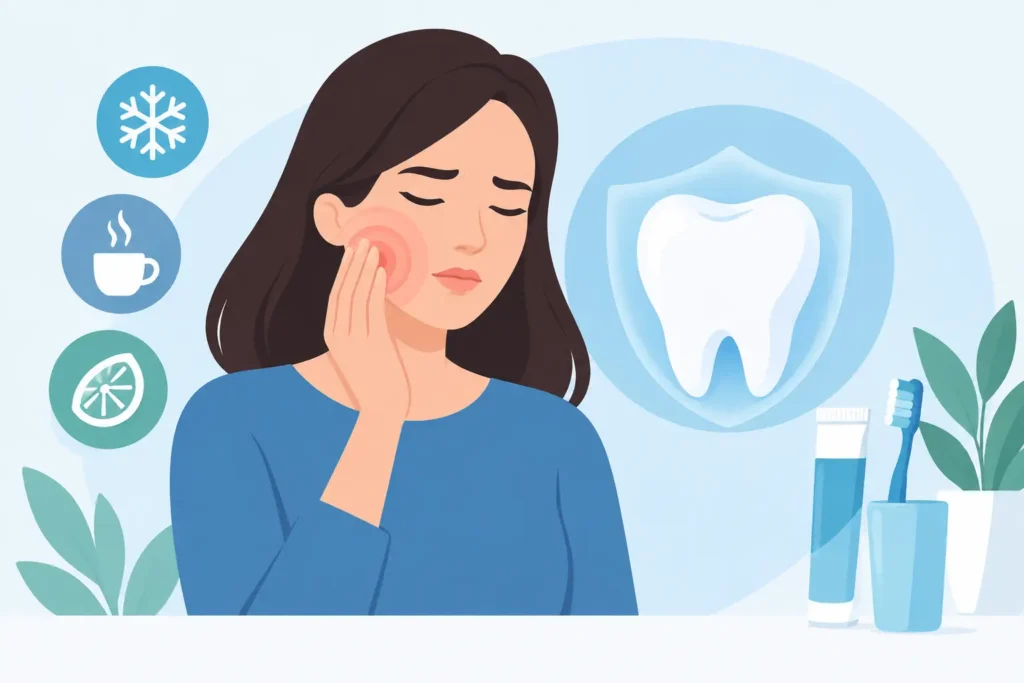
How to Relieve Tooth Sensitivity Without Guesswork
That sharp jolt when you sip iced water, enjoy a hot cup of tea, or bite into something sweet can make even simple meals feel stressful. To relieve tooth sensitivity effectively, it helps to understand that sensitivity is a symptom, not a diagnosis. The right solution depends on what is exposing or irritating the sensitive inner part of your tooth.
Some cases settle with gentler home care and a change in toothpaste. Others need a dentist to treat decay, a cracked tooth, gum recession, or a worn restoration before the discomfort becomes more serious. You do not have to simply avoid your favorite foods and hope it passes.
Why Teeth Become Sensitive
Healthy teeth are protected by enamel above the gumline and cementum around the roots. Beneath these outer layers is dentin, which contains tiny channels leading toward the tooth’s nerve. When enamel wears down or gums recede, temperature changes, pressure, sweets, and acidic foods can travel through those channels and trigger a quick, sharp sensation.
Brushing too hard is a common contributor. A firm toothbrush and aggressive scrubbing can gradually wear enamel near the gumline and irritate the gums. Acid exposure can also soften enamel. Citrus, soda, sports drinks, frequent snacking on acidic foods, and acid reflux may all play a role.
Sensitivity can also develop because of tooth decay, a chipped or cracked tooth, gum disease, teeth grinding, or a loose filling or crown. It is sometimes temporary after a professional cleaning, whitening treatment, or dental procedure. The key difference is whether the discomfort improves within a short time or continues, worsens, or starts happening without an obvious trigger.
How to Relieve Tooth Sensitivity at Home
For mild sensitivity that occurs only with cold, heat, or sweets, a few careful changes may make a meaningful difference. Give these measures time. Sensitive teeth rarely improve overnight, especially if enamel has been under stress for months or years.
Choose a toothpaste made for sensitivity
Desensitizing toothpaste is designed to reduce the transmission of sensation from the tooth surface to the nerve. Use it twice daily and spit after brushing rather than rinsing thoroughly with water, so the active ingredients can remain on your teeth longer.
Results can take several days to a few weeks. If one formula does not suit you, your dentist may recommend another type or a prescription-strength option. Whitening toothpaste can be more abrasive for some people, so it may be worth pausing it while sensitivity is active.
Brush gently, not harder
Use a soft-bristled toothbrush and small, gentle circular motions at the gumline. Teeth do not need forceful scrubbing to get clean. In fact, pressing harder can worsen recession and enamel wear over time.
Brush for two minutes, twice daily, with fluoride toothpaste. Floss or clean between your teeth each day as well. Removing plaque carefully helps protect the gums, which is especially important if exposed roots are contributing to the problem.
Be strategic with acidic foods and drinks
You do not need to remove every acidic food from your diet, but frequency matters. Sipping soda, juice, or lemon water throughout the day repeatedly exposes teeth to acid. Enjoy acidic drinks with a meal when possible, use a straw for cold beverages, and follow with plain water.
Wait about 30 minutes before brushing after acidic foods or drinks. Brushing immediately can rub softened enamel more aggressively. If you grind your teeth at night, avoiding late-night acidic drinks and discussing a custom night guard with your dentist can provide additional protection.
Take a break from whitening if needed
Tooth whitening can cause temporary sensitivity, particularly if teeth are already sensitive or whitening products are used too often. Stop the whitening product if discomfort becomes noticeable and speak with your dentist before restarting.
Professional guidance can make whitening more comfortable by helping you choose an approach that fits your teeth, gums, and existing dental work. Whitening does not change the color of crowns, fillings, veneers, or bonding, so an assessment is useful before beginning treatment.
When Sensitivity Needs Dental Treatment
Home care cannot repair a cavity, seal a crack, or replace a failing filling. If sensitivity is localized to one tooth, lingers after a cold or hot drink, hurts when you bite, or wakes you at night, schedule a dental assessment promptly. These signs can point to a problem that needs more than desensitizing toothpaste.
A dental examination may include digital X-rays and an intraoral camera to help identify what is happening below the surface and in areas that are hard to see. Understanding the cause allows treatment to focus on preserving as much healthy natural tooth structure as possible.
Depending on your needs, treatment may involve a white filling to repair decay, bonding to cover an exposed area, fluoride treatment to strengthen enamel, or a crown to protect a weakened tooth. If gum recession is exposing the root, your dentist may recommend strategies to protect the area and manage the underlying gum concern.
When the nerve inside a tooth has become inflamed or infected, root canal therapy may be the best way to relieve pain while saving the tooth. Although many patients feel anxious when they hear the words “root canal,” the purpose of treatment is to remove the source of pain and preserve your natural tooth whenever possible.
Do Not Ignore These Warning Signs
Sensitivity is often manageable, but some symptoms deserve timely attention. Contact a dentist if pain is severe, spontaneous, persistent, or accompanied by swelling, fever, a bad taste, or a pimple-like bump on the gums. Seek urgent dental care if you have facial swelling, difficulty swallowing, or trouble breathing.
You should also book an appointment if the pain lasts more than a few seconds after a hot or cold trigger is gone. Brief sensitivity can occur when dentin is exposed, while lingering pain may suggest that the nerve is more deeply affected. Only an examination can confirm the cause.
Prevent Sensitivity From Returning
Once your teeth feel better, prevention is what protects that comfort. Keep regular checkups and professional cleanings so small areas of decay, gum inflammation, worn fillings, and early enamel erosion can be addressed before they become painful.
If you clench or grind your teeth, a custom night guard can reduce pressure that may crack, wear, or sensitize teeth. If acid reflux, frequent vomiting, or dry mouth is affecting your oral health, let your dentist know. These are health concerns, not habits to be embarrassed about, and they can change the best plan for protecting your teeth.
At Restorative Dental Jamaica, care begins with listening to what you are feeling, examining the likely cause, and explaining your options clearly. Whether you need preventive support or restorative treatment, the goal is to help you eat, drink, and smile with greater comfort and confidence.
A sensitive tooth is your mouth’s way of asking for attention. Treat it gently at home, but let a dentist investigate pain that persists or feels different from your usual sensitivity. Early care can often mean a simpler, more comfortable solution.
Leave a reply







Leave a reply