
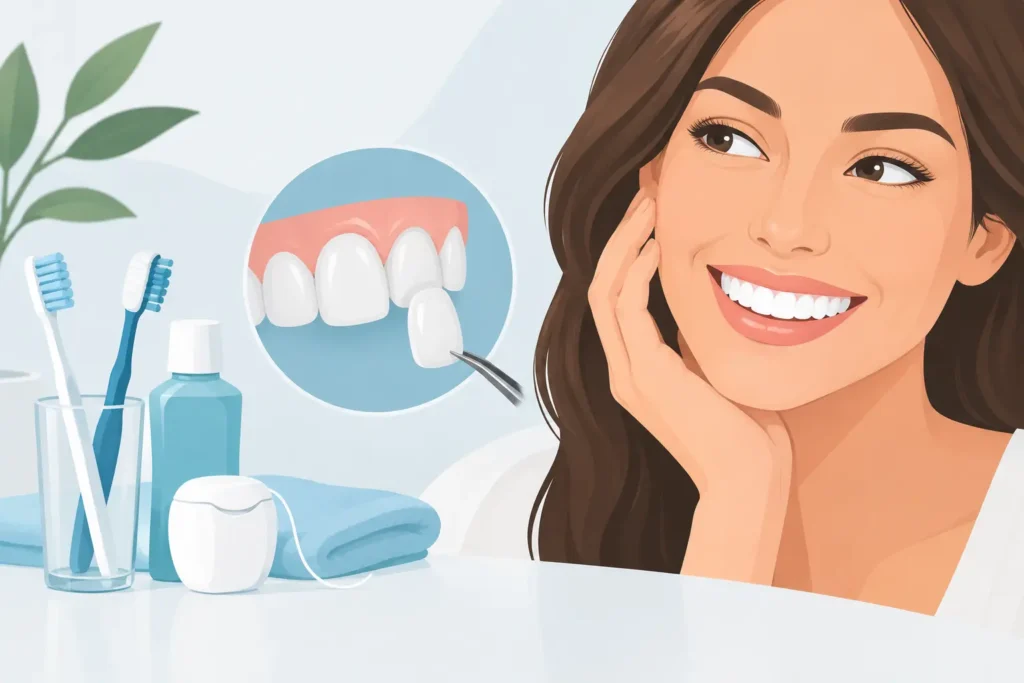
How to Care for Veneers and Keep Them Beautiful
A veneer can make a tooth look beautifully natural, but the result depends on more than the day it is placed. Knowing how to care for veneers helps protect the polished appearance of your smile, the gums around each tooth, and the natural tooth structure underneath. With a few thoughtful habits and regular professional care, veneers can remain a confident part of your smile for many years.
Start With Gentle, Consistent Daily Care
Veneers are typically made from porcelain or composite resin and bonded securely to the front of your teeth. They are designed to handle normal eating and speaking, but they are not meant to function as tools. Opening packages with your teeth, chewing pen caps, biting fingernails, or crunching ice can place unnecessary pressure on the veneer or its bonding edge.
Brush twice each day using a soft-bristled toothbrush and a nonabrasive toothpaste. Abrasive whitening pastes and harsh powders can gradually dull the surface of composite veneers and may scratch the polish around the edges of porcelain veneers. A gentle toothpaste and careful brushing technique are more valuable than aggressive scrubbing.
Angle your toothbrush toward the gumline and clean each tooth thoroughly, including the areas where the veneer meets the natural tooth. Healthy gums create the best frame for a bright, even smile. If plaque builds up along the gumline, you may develop inflammation, bleeding, or gum recession that can affect how your veneers look.
Floss once a day as well. Flossing will not pull off a properly bonded veneer, and it is essential for removing plaque between teeth. Slide the floss gently down and around each tooth rather than snapping it forcefully into the gums. If floss catches, shreds repeatedly, or feels unusual around a veneer, let your dentist know.
How to Care for Veneers at Mealtimes
Most foods are perfectly fine to enjoy with veneers. Still, a little awareness can prevent chips, cracks, and premature wear. Avoid biting directly into very hard foods with your front teeth, such as hard candy, ice, or bones. When eating a crisp apple, corn on the cob, or a hard crusty roll, cutting it into smaller pieces may be the kinder choice for your veneers.
Porcelain veneers are highly stain-resistant, while composite veneers can be more likely to absorb color over time. Coffee, tea, red wine, cola, curry, and dark berries do not need to be completely avoided, but frequent exposure can affect the appearance of composite material. Rinsing with water after deeply colored foods and drinks is a simple habit that can help.
Tobacco is particularly challenging for a cosmetic smile. Smoking or using tobacco can stain surrounding natural teeth, irritate the gums, and create a mismatch between your veneers and the rest of your smile. Choosing to stop or reduce tobacco use supports both your oral health and the long-term appearance of your dental work.
Protect Veneers From Grinding and Injury
If you wake with jaw soreness, tension headaches, or teeth that feel sensitive or worn, you may be clenching or grinding your teeth during sleep. This pressure can chip veneers, wear down natural teeth, and stress the bonding that holds a veneer in place. A custom night guard can provide an important protective barrier for patients who grind or clench.
A store-bought guard may offer some cushioning, but it does not provide the fit and bite balance of a guard made specifically for your mouth. Your dentist can assess whether grinding is affecting your teeth and recommend the most appropriate option.
Wear a properly fitted sports mouthguard for contact sports and activities where a fall or impact is possible. Veneers can improve the look of your smile, but they cannot prevent dental injuries. A mouthguard helps protect your veneers, lips, gums, and natural teeth from avoidable trauma.
Be Thoughtful About Whitening and Cosmetic Changes
One detail patients sometimes overlook is that veneers do not whiten in the same way natural enamel does. Whitening treatments can brighten your natural teeth, but they will not change the color of porcelain or composite veneers. If you whiten after receiving veneers, your natural teeth may become lighter than the veneer material.
That does not mean whitening is off limits. It simply means the timing and treatment plan matter. If you are considering whitening, ask your dentist first so the shade of your natural teeth and veneers can be considered together. This is especially useful if your veneers are on front teeth, where even a small color difference may be noticeable.
Avoid trying to polish, bleach, or repair a veneer at home. Over-the-counter products may not be suitable for your specific veneer material, and home repairs can make professional correction more difficult. A small chip, rough spot, or stain is best assessed in the dental office.
Keep Regular Dental Visits on Your Calendar
Veneers need professional attention just as natural teeth do. Routine checkups and cleanings allow your dental team to monitor the veneers, gums, bite, and supporting teeth. During these visits, your dentist can spot small concerns before they turn into a larger repair or replacement.
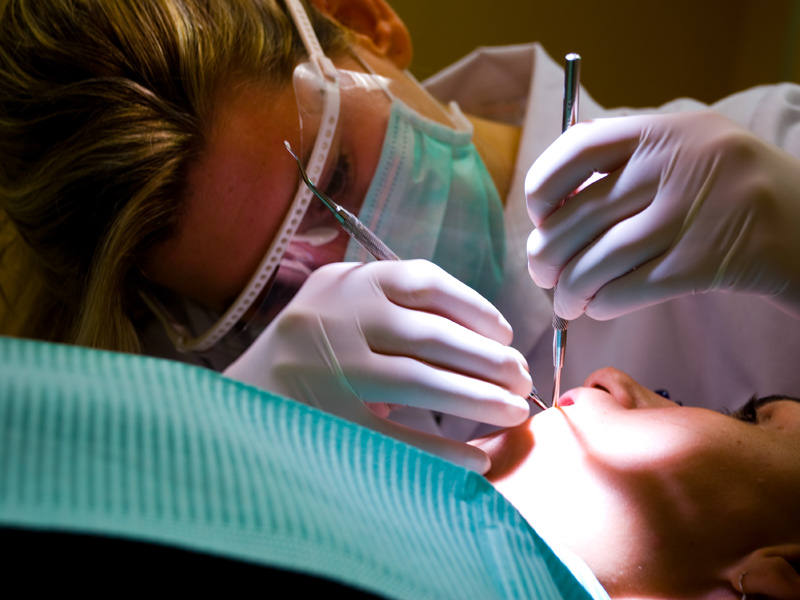
Professional cleanings are also valuable because plaque and tartar can accumulate near veneer margins and between teeth, even when you brush carefully at home. Your hygienist can use instruments and polishing methods appropriate for your restorations, helping your smile feel fresh without damaging the veneer surface.
Your appointment is also the right time to mention changes that might seem minor. Sensitivity, discomfort when biting, a rough edge, a new gap near the gumline, or a veneer that feels different should not be ignored. Veneers are bonded to natural teeth, and early care can often protect the tooth underneath.
What to Do If a Veneer Chips, Loosens, or Comes Off
Even with excellent care, veneers can occasionally chip or loosen. If this happens, stay calm and contact your dentist as soon as possible. If the veneer has come off completely, keep it in a clean container and bring it to your appointment. In some cases, it may be possible to rebond it, depending on the condition of the veneer and tooth.
Do not use household glue or attempt to cement the veneer back into place yourself. These products are not safe for the mouth and can interfere with a proper dental repair. Avoid chewing on that side until you are seen, especially if the exposed tooth feels sensitive or has a sharp edge.
A chipped veneer is not always an emergency, but prompt evaluation matters. A minor surface chip may be smoothed or repaired, while a larger fracture may require replacement. The best solution depends on the veneer material, the location of the damage, your bite, and the health of the underlying tooth.
A Beautiful Smile Is Also a Healthy Smile
Caring for veneers is not complicated, but it does require consistency. Brush gently, floss every day, protect your teeth from grinding and impact, and let your dentist handle changes before they become bigger concerns. These habits support more than the appearance of your veneers – they help preserve the natural teeth and gums that make your smile possible.
At Restorative Dental Jamaica, we believe cosmetic dentistry should feel comfortable, personal, and built to support lasting confidence. If you have questions about your veneers or notice anything different about your smile, a professional assessment can provide the reassurance and care you need.
Leave a reply







Leave a reply