
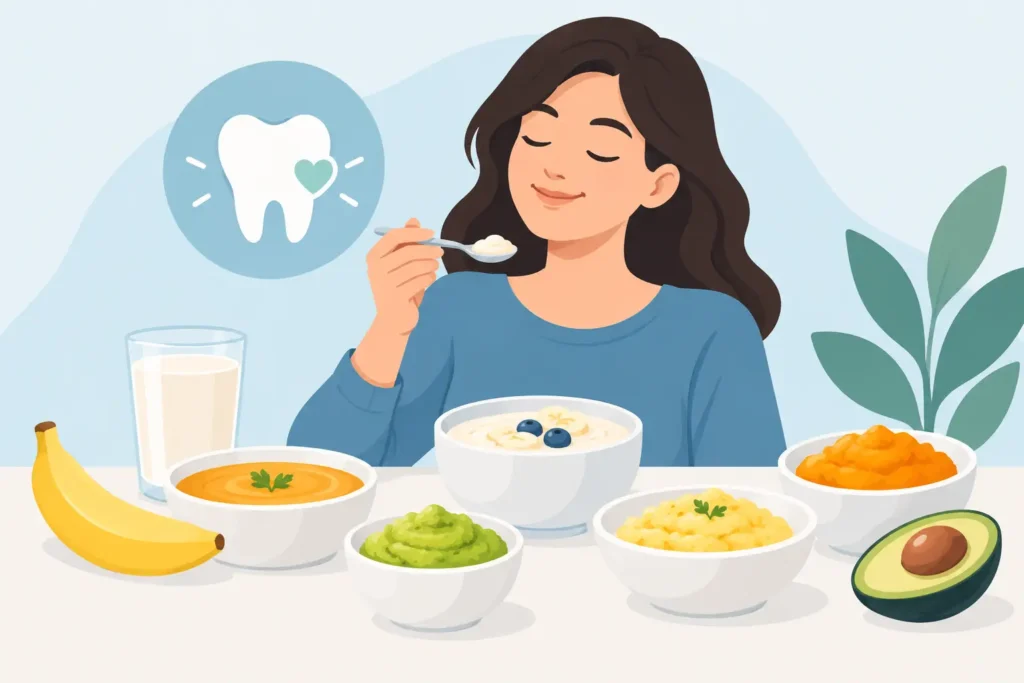
10 Foods After Tooth Extraction That Feel Good
The first meal after an extraction can feel more complicated than it should. Your mouth may be numb, tender, or swollen, and choosing the wrong food can irritate the treatment area when it needs calm, protected healing. The right foods after tooth extraction are soft, gentle, nourishing, and easy to eat without much chewing.
Your dentist’s post-treatment instructions should always come first, especially after a surgical extraction, wisdom tooth removal, or a procedure involving stitches. Still, a few practical food choices can make the first days more comfortable while helping you maintain your energy and nutrition.
Why food choices matter after an extraction
After a tooth is removed, a blood clot forms in the socket. This clot is an essential part of healing because it protects the underlying bone and nerve tissue while your gums begin to repair themselves. Suction, forceful chewing, sharp food particles, and very hot foods or drinks can disturb it.
That is why the goal is not simply to find foods that are easy to swallow. You also want foods that will not require vigorous chewing, leave small particles behind, or create pressure around the extraction site. For most people, cool or lukewarm soft foods are most comfortable during the first 24 to 48 hours.
As swelling and soreness improve, you can gradually return to a more varied diet. The timing depends on the type of extraction, your overall health, and how your mouth feels. There is no prize for returning to crunchy foods early.
10 foods after tooth extraction to keep on hand
1. Plain yogurt
Smooth yogurt is cool, gentle, and easy to eat with a spoon. It can also provide protein, which supports your body as it heals. Choose a plain or smooth variety without granola, fruit seeds, nuts, or crunchy toppings that could become trapped near the socket.
2. Applesauce
Unsweetened applesauce is a familiar option for the first day because it needs no chewing and is easy to tolerate if you do not have much appetite. Eat it cool or at room temperature rather than piping hot.
3. Mashed potatoes or mashed root vegetables
Mashed potatoes, sweet potatoes, yam, or pumpkin can be filling and comforting. Keep the texture very smooth, and allow them to cool to lukewarm before eating. Avoid crispy toppings, pepper flakes, and pieces of skin during early healing.
4. Scrambled eggs
Soft scrambled eggs are an excellent next-step food once you can manage gentle chewing. They provide protein without the sharp edges or hard texture of fried foods. Make them soft and moist rather than browned or crispy.
5. Blended soups
A smooth pumpkin, vegetable, chicken, or lentil soup can provide nutrients when you want something more substantial. The key is temperature and texture: let it cool to lukewarm, and blend it thoroughly so there are no chewy meat pieces, vegetable chunks, or seeds.
6. Oatmeal or smooth porridge
Soft oatmeal and porridge are satisfying breakfast choices once your dentist has said it is appropriate to move beyond liquids. Let them cool before eating, and avoid adding nuts, seeds, toasted coconut, or crunchy cereal. A smooth preparation is kinder to a healing mouth.
7. Smoothies eaten with a spoon
A smoothie can be a convenient way to include fruit, yogurt, milk, or protein in one meal. Do not drink it through a straw. The suction from straw use may dislodge the clot and raise the risk of a painful complication called dry socket. Use a spoon or drink gently from a cup instead.
For the first several days, avoid blends containing berries with small seeds, chia seeds, flaxseeds, or nut pieces. A banana, yogurt, and milk smoothie is usually a simpler choice.
8. Cottage cheese or ricotta
These soft dairy options offer protein and can be easy to eat in small portions. Some people prefer them cool, while others find room temperature more comfortable. If the texture feels unpleasant near the extraction area, leave it for a later day and choose a smoother option.
9. Soft pasta
Well-cooked macaroni, noodles, or small pasta shapes can work after the first couple of days if chewing is comfortable. Keep sauces mild and avoid anything very hot, spicy, or packed with seeds. Chew on the opposite side of your mouth whenever possible.
10. Flaky fish
Soft, boneless fish can be a nutritious option as you transition back to regular meals. Choose a tender preparation, check carefully for bones, and avoid a crisp coating. If you have had multiple extractions or are still quite sore, wait until chewing feels easy.
Foods and drinks to avoid while healing
For the first few days, avoid foods that are hard, crunchy, sticky, spicy, or likely to break into small pieces. Chips, popcorn, crackers, nuts, seeds, crusty bread, hard candy, and fried foods can scrape the extraction area or become lodged in it. Rice and other small grains may also be inconvenient early on because particles can settle around the healing socket.
Very hot coffee, tea, soup, and spicy dishes can increase discomfort for some patients. Alcohol should be avoided, particularly if you are taking prescription pain medication or antibiotics. Smoking and vaping can significantly interfere with healing and increase the risk of dry socket, so this is an important time to avoid both.
Do not use a straw unless your dentist specifically tells you it is safe. Even a thick smoothie or milkshake should be taken by spoon or sipped gently from a cup.
A simple timeline for eating after extraction
During the first 24 hours, focus on cool or lukewarm liquids and very soft foods. Yogurt, applesauce, smooth mashed vegetables, and spoon-fed smoothies are common choices. Take small bites, chew away from the extraction site, and do not let numbness trick you into biting your cheek or tongue.
From days two through three, many patients can add eggs, soft porridge, blended soup, and smooth pasta. Swelling may peak around this point, so comfort matters more than variety. Continue choosing foods that require minimal chewing.
Over the next several days, introduce soft solid foods as your tenderness allows. If chewing causes throbbing pain or food repeatedly collects around the extraction site, return to softer choices and contact your dental office for guidance. Patients recovering from wisdom tooth surgery, multiple extractions, or complex procedures may need a longer soft-food period.
Eating comfortably while protecting the extraction site
Small, frequent meals are often easier than trying to finish a large plate of food. Staying hydrated matters, but take careful sips from a cup. If you have been prescribed medication, ask your dentist or pharmacist whether it should be taken with food to help prevent stomach upset.
You may be advised not to rinse for the first 24 hours. After that, follow your dentist’s instructions about gentle saltwater rinses and oral hygiene. Do not poke the socket with a toothbrush, finger, toothpick, or utensil to remove food. A clean mouth supports healing, but aggressive cleaning can do more harm than good.
When to call your dentist
Some tenderness, mild bleeding, and swelling are expected after an extraction. Contact your dentist promptly if bleeding does not slow with the instructions you were given, pain becomes severe or worsens after a few days, swelling increases significantly, or you develop fever, a foul taste, or drainage. These symptoms deserve professional attention rather than a wait-and-see approach.
At Restorative Dental Jamaica, we want every patient to feel informed and comfortable after treatment. If you are unsure whether a food is appropriate or your recovery does not feel right, a quick call can provide the personalized reassurance you need.
Give your mouth the quiet time it needs: choose soft meals, avoid rushing back to crunchy favorites, and let comfort guide each next bite.
Leave a reply







Leave a reply