
Root Canal Results: What to Expect After Treatment
A severe toothache can make it difficult to work, sleep, eat, or focus on anything else. The encouraging news is that successful root canal results often mean relief from infection-related pain while allowing you to keep your natural tooth. For many patients, that is the real goal: not simply treating the discomfort, but preserving a tooth that still has years of service left.
Root canal treatment has an undeserved reputation for being frightening. In reality, modern techniques, digital imaging, and local anesthetic help make treatment far more comfortable than many people expect. Understanding what happens afterward can help you feel calm, prepared, and confident about your care.
What Good Root Canal Results Look Like
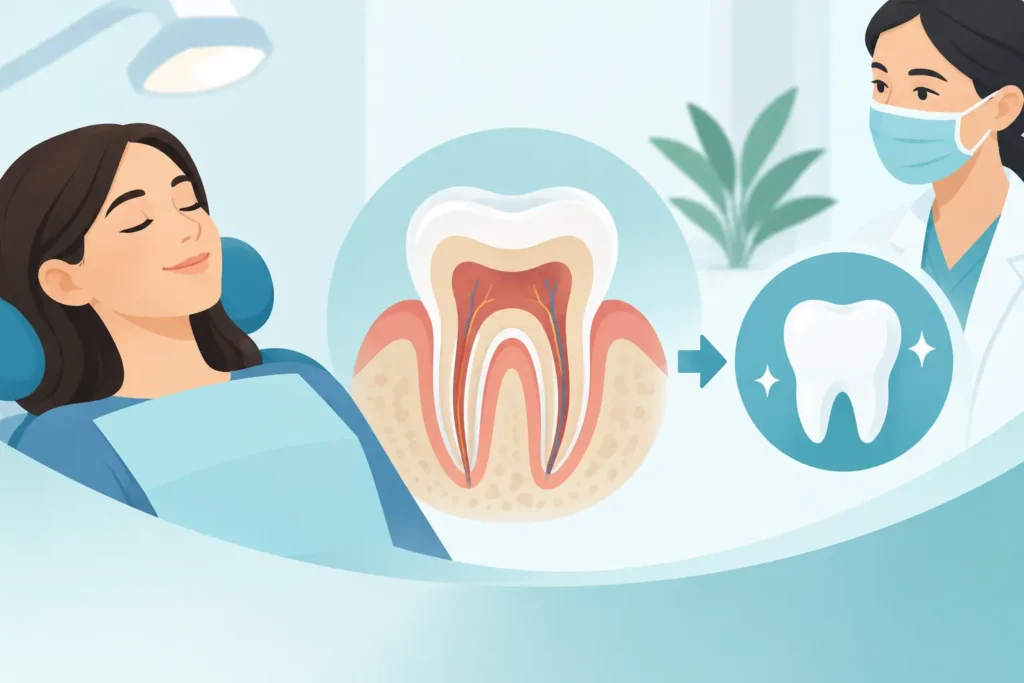
A root canal treats infection or inflammation inside the tooth, where the soft tissue known as the pulp is located. This tissue can become damaged by deep decay, a crack, repeated dental work, or trauma. Without treatment, infection may spread beyond the tooth and cause increasing pain, swelling, or an abscess.
During treatment, your dentist removes the affected tissue, carefully cleans and disinfects the inside of the tooth, and seals the spaces within the roots. The tooth remains in place, but the infected pulp is no longer there. Once it is restored properly, it can function much like any other tooth.
The best root canal results are not always dramatic in the mirror. Often, the most meaningful changes are practical: the throbbing pain settles, pressure when biting improves, swelling resolves, and you can chew without guarding that side of your mouth. The tooth can also be saved from extraction, helping maintain the natural balance of your smile and bite.
Every case is different. A tooth treated early, before extensive infection or structural damage develops, may have a more straightforward recovery. Teeth with complex roots, significant cracks, or longstanding infection may require closer follow-up and a carefully planned restoration. Your dentist will assess your individual situation and explain what is realistic for your tooth.
How You May Feel After a Root Canal
It is normal for the tooth and nearby gum tissue to feel tender for several days after treatment. This is especially common if there was an active infection or if the tooth was painful before your appointment. The tenderness is usually related to healing in the tissues around the root, not to the procedure failing.
Most patients can return to normal activities the same day. Your mouth may remain numb for a short time, so avoid chewing until the anesthetic wears off. When you begin eating, choose softer foods and chew on the opposite side if the treated tooth feels sensitive.
Over-the-counter pain medication may be recommended if it is safe for you to take it. Follow the instructions provided by your dentist, including any prescription medication guidance. Antibiotics are only used when clinically appropriate, such as when there are signs that infection has spread beyond the tooth.
Call your dental office if pain becomes severe, swelling increases, your bite feels uneven, or symptoms do not gradually improve. A small amount of tenderness can be expected. Worsening pain, facial swelling, fever, or difficulty swallowing should be addressed promptly.
Why Your Bite May Feel Different
After a root canal, the tooth may feel slightly high when you close your teeth together. Even a minor difference in the bite can make a treated tooth feel sore because it receives more pressure than it should. This is usually easy for your dentist to adjust.
Do not try to wait it out if the tooth hits first or if chewing feels uncomfortable. A quick bite adjustment can protect the tooth and make recovery more comfortable.
Why a Crown Is Often Part of Lasting Root Canal Results
Root canal therapy treats the infection inside the tooth, but it does not automatically rebuild tooth structure that was lost to decay, fracture, or an old filling. This is why a final restoration is such an important part of the treatment plan.
Front teeth may sometimes be restored with a strong white filling if enough healthy tooth structure remains. Back teeth, however, often need a dental crown. Molars and premolars carry much of the force of chewing, and a tooth that has had extensive decay or root canal treatment can be more vulnerable to cracking over time.
A crown covers and protects the remaining tooth. It can restore shape, strength, and chewing function while helping reduce the risk of a future fracture. In many cases, placing the recommended final restoration is what turns a successful procedure into a long-term result.
Your dentist may place a temporary filling or temporary crown first. Treat this restoration with care. Avoid hard candy, ice, nuts, and sticky foods until your permanent restoration is in place. If a temporary restoration comes loose or breaks, contact the office so the tooth can remain properly protected.
How Long Does a Root Canal Last?
With good care, a root canal-treated tooth can last for many years and may last a lifetime. There is no exact timeline because longevity depends on several factors: how much healthy tooth remains, whether the tooth has a crack, the quality of the final restoration, your bite, and your daily oral hygiene habits.
The treatment itself addresses infection in the root canals, but the restored tooth can still develop new decay at its edges. Gum disease can also affect the support around any tooth, including one that has had root canal therapy. Regular dental visits remain essential.
To protect your result, brush twice daily with fluoride toothpaste, clean between your teeth each day, and keep up with professional examinations and cleanings. If you clench or grind your teeth, a custom night guard may be recommended to reduce pressure on a crown or restored tooth. These small preventive steps can make a meaningful difference over time.
When Root Canal Treatment May Need More Care
Root canal therapy is highly successful, but no dental procedure comes with a lifetime guarantee. Some teeth have narrow or curved canals that are difficult to fully access. Others may develop a new infection because of a crack, delayed crown placement, leakage around an older restoration, or new decay.
If symptoms return months or years later, do not assume the tooth must be removed. In some situations, retreatment can clean and reseal the canals. In others, a specialist may recommend a procedure focused on the root tip. Extraction may be appropriate when a tooth cannot be predictably restored, but preserving a natural tooth is usually considered whenever it is a healthy and reliable option.
Modern imaging and a careful examination help your dentist identify the source of the problem and discuss the available choices clearly. The right decision should account for your comfort, the condition of the tooth, your overall oral health, and your long-term goals.
A Calmer Path to Saving Your Tooth
At Restorative Dental Jamaica, we understand that patients often arrive for root canal treatment feeling worried, tired of pain, or unsure of what to expect. Our approach is centered on clear communication, comfortable care, and helping you make informed decisions about your smile.
A root canal is not a sign that you have failed to care for your teeth. It is a treatment designed to stop infection and preserve a natural tooth when it needs help. If you have lingering tooth pain, sensitivity that does not go away, swelling, or discomfort when chewing, arranging a dental assessment sooner can give you more options and a better chance of saving the tooth.
Leave a reply







Leave a reply