
Is Sensitivity Serious? When Teeth Need Care
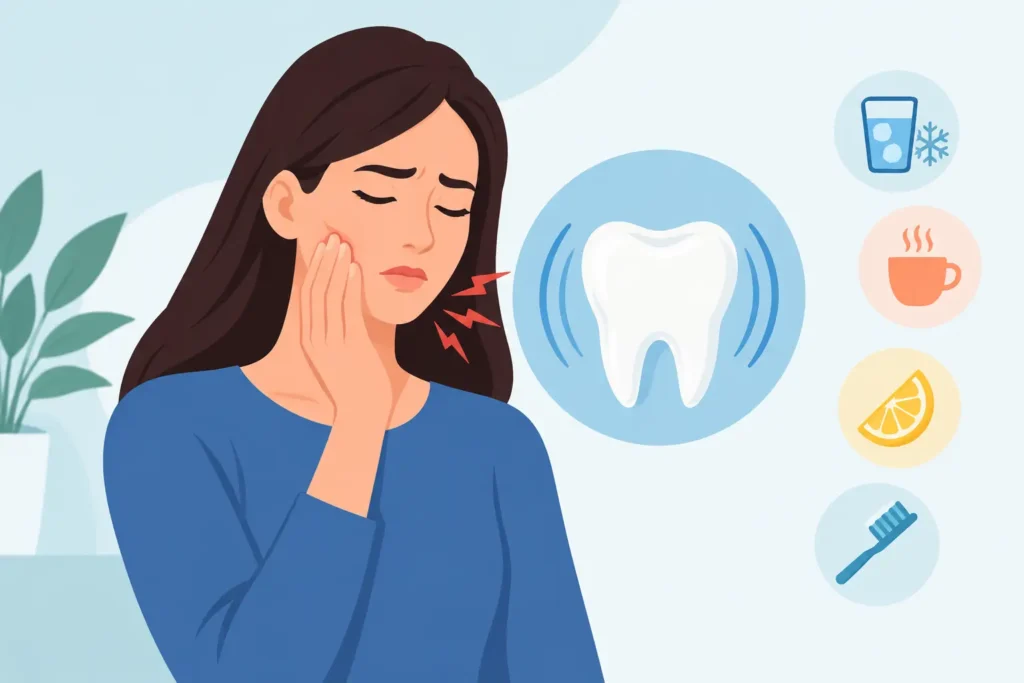
That sharp jolt when you sip iced water, enjoy hot coffee, or bite into something sweet can make even a small meal feel stressful. Is sensitivity serious? Sometimes it is simply a sign that your teeth need more protection. Other times, it can be an early warning that decay, a crack, gum disease, or an older restoration needs attention.
Tooth sensitivity is common, but it should not be something you feel you have to live with. A dental assessment can identify the source of the discomfort and help you choose a treatment that protects your natural tooth while getting you back to eating and drinking comfortably.
Is Sensitivity Serious or Just Temporary?
The answer depends on the pattern of your symptoms. Brief sensitivity that happens occasionally after eating something very cold may be linked to mild enamel wear or exposed tooth roots. It may improve with a sensitivity toothpaste, gentler brushing, and professional guidance.
However, sensitivity that is new, worsening, persistent, or focused on one tooth deserves a closer look. Pain is your body’s way of asking for attention. Waiting until it becomes severe can turn a small concern, such as a worn filling or early cavity, into a problem that requires more extensive treatment.
Sensitivity can also be confusing because it does not always feel like a toothache. Some patients notice a quick sting that stops as soon as the cold drink is gone. Others feel a lingering ache, pressure when biting, or pain that seems to travel through the jaw. The duration and trigger matter, which is why a dentist will ask detailed questions before recommending care.
Common Reasons Teeth Become Sensitive
Your teeth are protected by enamel, the strong outer layer that covers the visible portion of each tooth. Beneath it is dentin, a more sensitive layer with tiny channels that communicate with the tooth’s nerve. When enamel wears down, gums recede, or a tooth becomes damaged, heat, cold, sweetness, and pressure can reach those channels more easily.
Several dental concerns may be involved. Brushing too aggressively, using a hard-bristled toothbrush, or regularly consuming acidic drinks can gradually wear enamel away. Teeth grinding can create cracks and worn biting surfaces, especially if you wake with jaw tension or headaches. Gum recession may expose roots, which do not have the same enamel protection as the crown of the tooth.
Sensitivity can also come from tooth decay, a loose or fractured filling, a cracked tooth, or gum inflammation. Following teeth whitening, some people experience short-term sensitivity as well. This is usually manageable and temporary, but it is still worth mentioning to your dental team so your whitening plan can be adjusted for your comfort.
A recent cleaning, filling, crown, or other dental treatment can occasionally cause mild sensitivity while the tooth settles. That does not automatically mean something is wrong. Still, if discomfort increases rather than improves, contact your dentist for advice.
When Tooth Sensitivity Needs Prompt Dental Care
A little sensitivity after cold food is different from pain that changes how you eat, sleep, or speak. Please arrange a dental visit promptly if you have sensitivity that lasts more than a few seconds after a hot or cold trigger, pain when biting, visible damage, swelling, or a bad taste around one tooth.
You should also be seen soon if a tooth suddenly becomes sensitive without an obvious reason. A crack can be difficult to spot at home, and decay often develops quietly before it becomes painful. Early treatment can often preserve more of the natural tooth and avoid unnecessary discomfort.
Seek urgent dental advice if you have facial swelling, fever, severe throbbing pain, or swelling that makes it difficult to swallow or breathe. These symptoms may point to an infection and should never be ignored.
Children should be checked as well. A child may describe sensitivity as a tooth that feels “funny,” hurts with juice, or makes it hard to chew. Since children may not always explain pain clearly, changes in eating habits or reluctance to brush can be useful clues for parents.
What Happens at a Sensitivity Assessment?
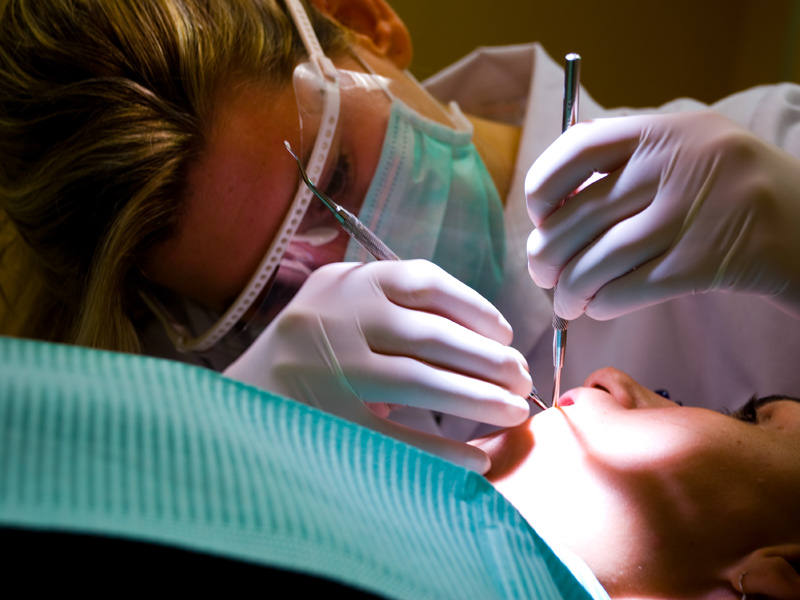
A sensitivity visit should feel reassuring, not intimidating. Your dentist will listen to what you are feeling, including which foods trigger it, whether the discomfort lingers, and whether you have had any recent injury or dental work.
The examination may include checking your teeth, gums, bite, and existing fillings or crowns. Digital X-rays and intraoral images can help reveal concerns that cannot be seen by looking alone, such as decay between teeth, changes around a tooth root, or a problem beneath an old restoration.
Treatment is based on the cause, not just the symptom. If enamel wear is mild, your dentist may recommend a desensitizing treatment, fluoride support, or changes to your home-care routine. A cavity may need a white filling. A weakened or cracked tooth may benefit from a crown that covers and protects it. When the tooth’s nerve is inflamed or infected, root canal therapy may be the best way to relieve pain while saving the tooth.
There is no single treatment for every sensitive tooth. That is good news, because personalized care means the solution can be matched to what your smile truly needs.
What You Can Do Before Your Appointment
Gentle daily care can help reduce irritation, but it should not replace a dental examination when sensitivity persists. Use a soft-bristled toothbrush and light pressure, especially along the gumline. Brush twice daily with fluoride toothpaste, and ask your dentist whether a toothpaste made for sensitivity is suitable for you.
Try to avoid brushing immediately after acidic foods or drinks, such as citrus, soda, or sports drinks. Acid temporarily softens enamel, so rinsing with water and waiting about 30 minutes before brushing is often kinder to your teeth. If cold drinks trigger pain, use a straw when practical and avoid holding the drink against the same area of your mouth.
It is also wise to avoid testing the tooth repeatedly with ice, hot drinks, or sweets. This can make discomfort worse without giving you a clear answer. Do not place aspirin or other medication directly on the gum or tooth, as this can irritate oral tissues. If you need pain relief, speak with a pharmacist or health professional about an option that is safe for you.
Protecting Your Comfort for the Long Term
The best way to manage tooth sensitivity is to address the cause early and maintain regular preventive care. Professional cleanings help keep gums healthy, while routine assessments allow small changes in enamel, fillings, and bite to be identified before they become painful.
If grinding is contributing to worn or cracked teeth, a custom night guard may be recommended. If gum recession is part of the issue, your dentist can discuss ways to protect exposed areas and improve your brushing technique. For patients with recurring sensitivity after whitening, spacing treatments appropriately and using professional products can make a meaningful difference.
At Restorative Dental Jamaica, we understand that dental pain can make people anxious, particularly when they are unsure what it means. Our approach is to help you feel heard, explain your options clearly, and focus on comfortable care that supports your long-term oral health.
A sensitive tooth is often asking for a small change or an early repair, not a reason to panic. Listening to that signal now can help you protect your comfort, confidence, and natural smile for years to come.
Leave a reply







Leave a reply