
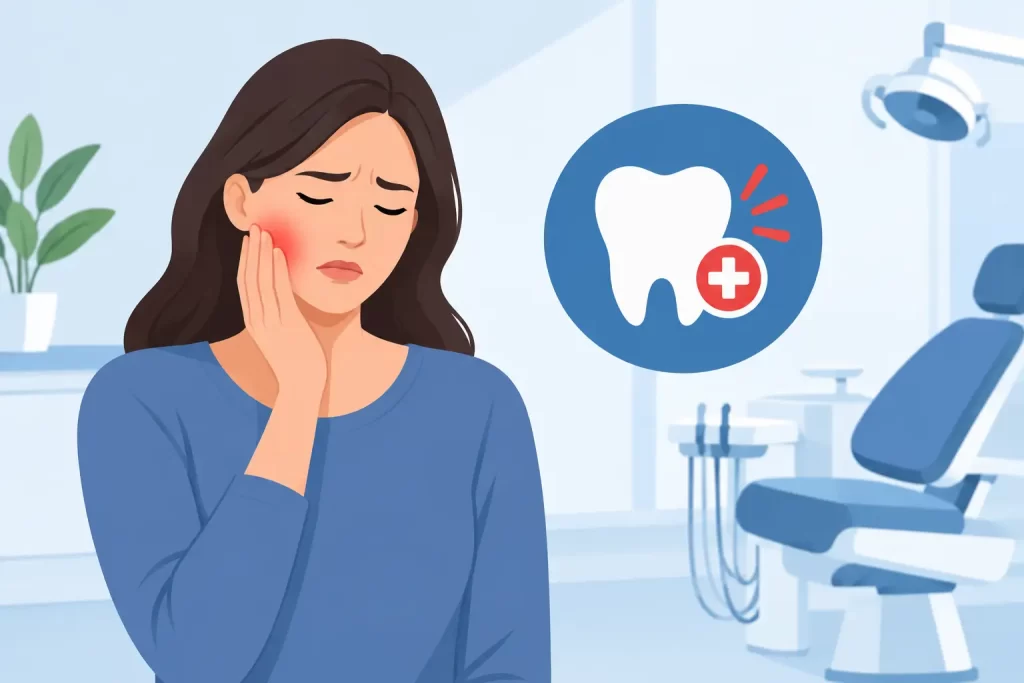
Emergency Dental Treatment: What to Do First
A sudden toothache can make it hard to think about anything else. A chipped tooth before work, a lost crown at dinner, or swelling that appears overnight can feel just as alarming. Emergency dental treatment provides prompt care for urgent dental problems, helping relieve discomfort, protect your natural tooth, and prevent a small concern from becoming a more complicated one.
The right next step depends on what has happened. Some dental concerns need a same-day appointment, while signs such as trouble breathing, severe facial swelling, or uncontrolled bleeding require immediate hospital emergency care. Knowing the difference can help you act calmly and get the support you need.
When Do You Need Emergency Dental Treatment?
An emergency is not limited to a knocked-out tooth. Severe or persistent pain, visible damage, infection, and dental restorations that have suddenly failed can all need timely attention. Even when pain is manageable, prompt treatment may make the difference between saving a tooth and needing a more extensive procedure later.
You should contact a dentist as soon as possible if you have a toothache that is severe, throbbing, or keeps you awake; a broken, cracked, or loose tooth; a tooth that has been knocked out; swelling of the gums, cheek, or jaw; bleeding that does not stop with firm pressure; or a lost filling, crown, bridge, or denture that is causing pain or exposing a tooth.
A small chip without pain may be able to wait for a scheduled visit, but it is still worth arranging an assessment. Sharp edges can irritate your tongue or cheek, and a crack can worsen when you chew. When you are uncertain, calling the dental office is the safest choice. Describe your symptoms, how the problem occurred, and whether you have swelling, fever, or difficulty swallowing.
What to Do Before You Reach the Dentist
First aid cannot replace professional care, but it can protect the area and make you more comfortable until you are seen. Avoid placing aspirin directly on a tooth or gum. It can burn soft tissue and will not treat the cause of the pain.
Severe tooth pain
Rinse gently with warm salt water to clear away food debris and soothe irritated tissue. Floss carefully around the painful tooth in case something is trapped between the teeth. A cold compress against the outside of the face may reduce swelling and discomfort. Use an over-the-counter pain reliever only as directed on the label and only if it is safe for you to take.
Do not assume the pain will disappear for good simply because it eases. Tooth pain may come and go when decay, a crack, gum infection, or an inflamed nerve is present. An examination and digital x-ray can help identify the cause and guide the most conservative treatment.
A knocked-out permanent tooth
Time matters when a permanent tooth is knocked out. Pick it up by the crown, which is the chewing surface, rather than the root. If it is dirty, rinse it briefly with milk or clean water without scrubbing. If possible, gently place the tooth back in its socket and bite lightly on clean gauze to hold it in place.
If reinserting it is not possible, keep the tooth moist in milk or inside your cheek if you can do so safely without swallowing it. Seek dental care immediately. Do not try to put a baby tooth back into the socket, as this may affect the developing permanent tooth.
A broken or cracked tooth
Rinse your mouth with warm water and save any pieces you can find. Cover a sharp edge with dental wax if available, or use sugar-free gum as a temporary barrier. Avoid chewing on that side and stay away from very hot, cold, or hard foods.
A crack is not always easy to see, particularly if it runs below the gumline. Early care may allow the tooth to be protected with bonding, a filling, or a crown. When damage reaches the nerve, root canal therapy may be recommended to preserve the tooth rather than remove it.
A lost filling or crown
A lost filling or crown can leave the tooth sensitive and vulnerable to further damage. Keep the crown if you have it, as it may be reusable depending on its condition and the tooth underneath. Avoid chewing on the exposed tooth and keep the area clean.
Do not use household glues to reattach a crown. They are not designed for the mouth and can make safe repair more difficult. A dentist can assess whether the restoration can be secured again or whether a new filling or crown is the better long-term solution.
Swelling and Infection Should Never Be Ignored
A dental infection may begin as sensitivity or a dull ache, then develop into throbbing pain, gum swelling, a pimple-like bump near a tooth, a bad taste in the mouth, or fever. These symptoms can indicate an abscess, which needs professional treatment. Antibiotics may sometimes be appropriate, but they do not remove the source of infection on their own.
Depending on the condition of the tooth, treatment may involve draining the infection, root canal therapy, or extraction. The goal is always to preserve a natural tooth whenever it can be predictably restored. Acting early often gives your dentist more options.
Seek urgent medical attention rather than waiting for a dental appointment if swelling is spreading quickly, affecting your eye or neck, making it difficult to breathe or swallow, or accompanied by a high fever. These are serious warning signs.
What Happens at an Emergency Dental Visit?
Emergency care starts with listening. Your dentist will ask when the problem began, what triggered it, how intense the pain is, and whether you have noticed swelling, sensitivity, or changes when biting. A careful examination, often supported by digital x-rays and intraoral images, helps reveal what cannot be seen from the surface.
The immediate priority is to control pain, manage infection or injury, and protect the tooth. Sometimes a temporary repair is the right first step, especially when a damaged tooth needs to settle before definitive treatment. In other cases, treatment can be completed during the visit.
Your options may include a white filling for a cavity or small break, bonding for a chipped edge, root canal therapy for an infected or severely inflamed tooth, a crown to strengthen a weakened tooth, or extraction when a tooth cannot be saved. A clear explanation of the findings and recommendations allows you to make a confident decision based on your needs, comfort, and budget.
Preventing the Next Dental Emergency
Not every emergency can be avoided. Falls, sporting injuries, and unexpected fractures happen. However, regular examinations and cleanings can find weak fillings, early decay, gum disease, and cracks before they become painful. If you grind your teeth, a custom night guard may help reduce stress on teeth and restorations.
Wear a mouthguard for contact sports, avoid chewing ice or hard candy, and do not use your teeth to open packages. If a restoration feels loose or a tooth becomes sensitive, schedule a visit before it turns into an urgent problem. A little attention early on is usually more comfortable and more affordable than waiting for pain to force the decision.
At Restorative Dental Jamaica, emergency concerns are handled with the same care, respect, and attention given to every patient. If something feels wrong with your smile, trust that instinct. Prompt, compassionate care can bring relief today while helping protect your natural teeth for the years ahead.
Leave a reply







Leave a reply