
Best Habits for Healthy Gums for Every Age
Healthy gums should not bleed when you brush, feel tender after meals, or make you hesitate when you smile. The best habits for healthy gums are usually simple, but they need to be consistent. A few thoughtful minutes each day, paired with regular professional care, can help protect the foundation of your teeth and reduce the chance that small concerns become more complicated treatment needs.
At Restorative Dental Jamaica, we believe preventive care is one of the most comfortable and cost-effective ways to preserve your natural smile. Whether you are caring for your own teeth, helping a child build good routines, or supporting an older family member, gum health deserves daily attention.
Brush Gently, Twice a Day
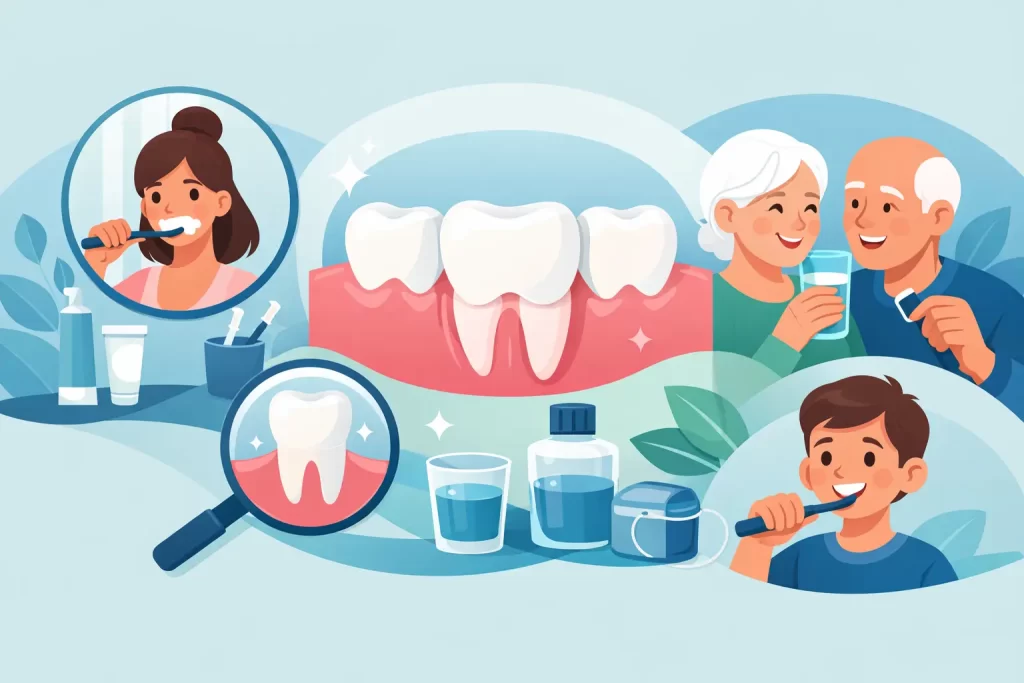
Brushing twice daily is familiar advice, but technique matters just as much as frequency. Use a soft-bristled toothbrush and fluoride toothpaste, then brush for two full minutes. Aim the bristles gently along the gumline, where plaque tends to collect, before moving across the front, back, and chewing surfaces of each tooth.
Hard brushing does not mean better cleaning. In fact, aggressive pressure or a stiff brush can irritate the gums and wear away tooth structure near the gumline. If your toothbrush bristles look flattened or splayed after a short time, you may be pressing too hard. An electric toothbrush with a pressure sensor can be helpful for some patients, but a manual toothbrush works well when used carefully.
Replace your toothbrush or brush head about every three months, or sooner after an illness or when the bristles become worn. A clean, effective brush makes the routine easier on your gums.
Clean Between Your Teeth Every Day
Your toothbrush cannot fully clean the tight spaces between teeth. This is why daily flossing or another form of interdental cleaning is one of the best habits for healthy gums. It removes plaque and food particles from areas where gum inflammation often begins.
Traditional floss is an excellent option when it is comfortable and practical for you. Guide it gently between the teeth, curve it around one tooth in a C-shape, and move it up and down before cleaning the neighboring tooth. Avoid snapping the floss into the gums, which can cause unnecessary discomfort.
If you have braces, fixed dental work, closely spaced teeth, or limited hand mobility, alternatives may be easier to use. Interdental brushes, floss holders, or water flossers can be useful tools. The best choice is the one you will use consistently and correctly. During a dental visit, your hygienist or dentist can recommend an option suited to your smile.
Pay Attention to Bleeding, Swelling, and Bad Breath
Many people assume bleeding gums are caused by flossing and decide to stop. More often, bleeding is a sign that plaque has irritated the gum tissue. Gentle, regular cleaning may improve mild inflammation over time, but ongoing bleeding should never be ignored.
Other signs worth discussing with a dentist include red or swollen gums, persistent bad breath, gum recession, tenderness, pus around a tooth, or teeth that feel loose or have shifted. Gum disease can progress quietly, sometimes with little pain in its earlier stages. Getting an assessment early gives you more options to protect your teeth and gums.
Pregnancy, diabetes, certain medications, hormonal changes, smoking, and dry mouth can also affect gum health. This does not mean problems are unavoidable. It means your home routine and dental checkups may need more personalized attention.
Choose Foods and Drinks That Support Your Smile
What you eat affects more than your energy level. Frequent sugary snacks and sweet drinks feed the bacteria that create plaque. Over time, this can increase the risk of tooth decay and gum irritation. It is often the frequency of sugar exposure, not simply the amount, that causes trouble. Sipping a sweetened beverage over several hours keeps your teeth and gums exposed for longer.
Try to make water your usual drink between meals. Crunchy fruits and vegetables, protein-rich foods, and balanced meals can support overall health while reducing the urge to snack constantly. If you enjoy a sweet treat, having it with a meal is generally kinder to your teeth than grazing on it throughout the day.
Acidic drinks, including sodas, sports drinks, and some fruit beverages, can also soften enamel. Rinse with water afterward, and wait about 30 minutes before brushing so you do not scrub softened enamel. You do not need a perfect diet to care for your smile. Small, realistic changes repeated often are more valuable than an overly strict plan that does not last.
Avoid Tobacco and Address Dry Mouth
Smoking and other tobacco use can make gum disease more likely and can slow healing after dental treatment. Tobacco may also mask bleeding, so gums can appear less irritated than they truly are. Quitting can be difficult, but it is one of the strongest steps you can take for your oral and overall health.
Dry mouth deserves attention, too. Saliva helps wash away food debris and supports a healthier balance in the mouth. Some medications, medical conditions, dehydration, and mouth breathing can leave the mouth feeling dry. Drinking water regularly, chewing sugar-free gum when appropriate, and discussing persistent dry mouth with your dentist can help. Do not simply rely on mints or sugary candies, which may increase cavity risk.
Keep Regular Dental Cleanings and Checkups
Even excellent brushing and flossing cannot remove hardened tartar once it forms. Professional scale and polishing appointments remove buildup in places that are difficult to reach at home and allow your dental team to examine your gums closely.
The right recall schedule depends on your needs. Some patients do well with routine visits every six months, while others with a history of gum disease, diabetes, heavy tartar buildup, or certain restorative work may benefit from more frequent care. This is not about selling unnecessary appointments. It is about setting a schedule that gives your smile the support it needs.
Dental visits are also an opportunity to check fillings, crowns, dentures, and other dental work. Rough edges, poorly fitting appliances, or areas that trap food can make cleaning harder and contribute to gum irritation. Addressing those concerns early can make your at-home routine more effective.
Make Healthy Gum Habits Easy to Keep
The most effective routine is one that fits into real life. Keep floss where you are likely to use it, such as beside your toothbrush or in a travel bag. If nighttime cleaning feels rushed, set a reminder until the habit becomes automatic. Parents can make brushing a shared part of the evening routine, while busy professionals may find that a compact oral-care kit helps them stay consistent after meals or while traveling.
Do not wait for discomfort before booking care. Gums often give early signals long before a dental problem becomes painful. A calm, personalized assessment can clarify what is happening and help you move forward with confidence.
Your gums support every smile, every meal, and every conversation. Give them steady care now, and let your dental team help you protect the natural teeth you want to keep for years to come.
Leave a reply







Leave a reply