
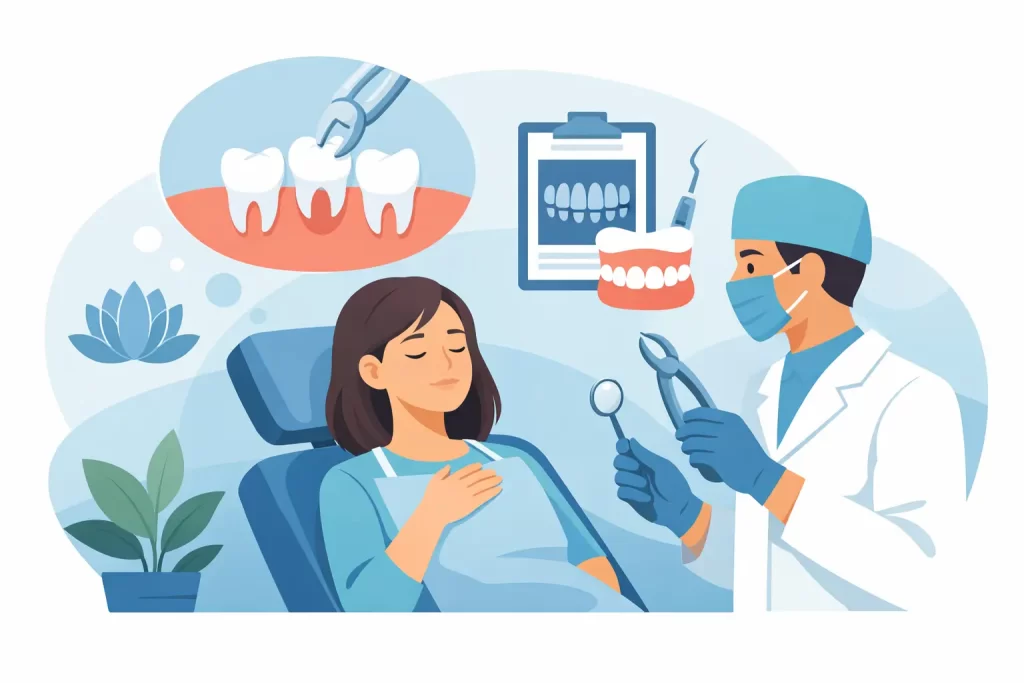
How to Prepare for Tooth Extraction Calmly
A tooth extraction is often the right step when a tooth cannot be saved comfortably or predictably. Whether you are having a severely damaged tooth removed, preparing for dentures, or addressing a painful infection, knowing how to prepare for tooth extraction can make the experience feel far more manageable. A little planning protects your comfort, supports healing, and helps you arrive feeling informed rather than rushed.
Your dentist will give instructions based on your health history and the type of extraction you need. Those instructions always come first. The guidance below can help you prepare for the practical details before your appointment.
How to Prepare for Tooth Extraction Before Your Visit
The most useful thing you can do is have an open conversation with your dental team before treatment. Tell them about all prescription medications, over-the-counter pain relievers, vitamins, supplements, and herbal products you take. Some medications can affect bleeding, healing, or the type of anesthetic that is appropriate for you.
Be especially clear if you take blood thinners, medication for diabetes, medication for bone health, or drugs that suppress the immune system. Do not stop or adjust a prescription on your own. Your dentist may coordinate with your physician when needed and will tell you exactly what to do.
Share any health conditions as well, including high blood pressure, heart disease, sleep apnea, allergies, pregnancy, or a history of complications with anesthesia. This information helps your care team create a treatment plan that puts safety and comfort first.
It is also wise to ask a few direct questions ahead of time. Will you receive local anesthetic only, or will sedation be part of your visit? Should you eat before the appointment? How long should you expect to rest afterward? Understanding the plan makes it easier to arrange your day and reduces last-minute uncertainty.
Follow eating and drinking instructions carefully
What you should eat or drink before an extraction depends on the type of anesthesia or sedation being used. For a routine extraction with local anesthetic, your dentist may advise having a light, nourishing meal beforehand. Arriving hungry can leave you feeling shaky, especially when you may need to wait before eating comfortably after the procedure.
If you are receiving sedation, fasting instructions may be different. You may be asked not to eat or drink for a specific period before your appointment. Follow those instructions precisely, even if they differ from advice a friend or family member received for their dental treatment.
Avoid alcohol for at least 24 hours before your appointment unless your dentist gives you a different recommendation. Alcohol can interfere with medications and may increase bleeding risk. Smoking and vaping can also make healing more difficult, so this is an excellent time to pause. Your dentist can discuss support if avoiding nicotine feels challenging.
Plan your transportation and time off
If you are having sedation or taking medication that causes drowsiness, arrange for a responsible adult to bring you home. You should not drive, operate machinery, return to work, or make major decisions while the effects are still present.
Even after a simple extraction, it helps to keep the rest of the day quiet. Working professionals may prefer to schedule an early appointment and take the afternoon off. More involved surgical extractions, including some wisdom tooth removals, may require additional recovery time. Your dentist can give you a realistic recommendation based on your treatment.
Set Up Your Home for a Comfortable Recovery
The best preparation often happens before you leave for the dental office. Create a calm recovery space with pillows, water, your prescribed medications if any, and entertainment that does not require much concentration. A quiet evening with minimal obligations gives your body room to begin healing.
Stock your kitchen with soft foods that are easy to eat without chewing aggressively. Good options include yogurt, applesauce, mashed potatoes, scrambled eggs, smooth soups that have cooled to a warm temperature, oatmeal, and smoothies eaten with a spoon. Choose foods that are filling but gentle on the extraction area.
For the first several days, avoid foods that can disturb the blood clot or become trapped in the socket. That includes nuts, seeds, chips, popcorn, crusty bread, and spicy or very hot foods. Do not use a straw unless your dentist specifically says it is safe. The suction can dislodge the clot that protects the healing site and contribute to a painful complication called dry socket.
Have an ice pack or cold compress ready as well. Cold therapy may help limit swelling during the first day when used as directed. Wrap the pack in a cloth and apply it to the outside of the face for short intervals rather than placing ice directly on the skin.
What to Wear and Bring to Your Appointment
Choose comfortable, loose-fitting clothing and a short-sleeved top if there is any possibility that your care team may need to monitor your blood pressure or start an IV for sedation. Avoid heavy makeup or lipstick, which can make it harder to observe the lips and surrounding tissues during treatment.
Bring your photo ID, insurance information if applicable, payment method, and a current list of medications. If you wear removable dentures, retainers, or a partial appliance, ask whether you should bring them. Your dentist may want to check how they fit after the extraction or discuss temporary options for the space.
If you feel nervous, say so. Dental anxiety is common, and there is no benefit in pretending you are comfortable when you are not. A caring dental team can explain each stage, discuss comfort options, and make simple adjustments that help you feel more at ease.
Prepare for the First 24 Hours After an Extraction
After the tooth is removed, your dentist will place gauze over the area and tell you how long to bite down. Firm, steady pressure supports clot formation. Change the gauze only as instructed. A small amount of oozing can be normal, but persistent heavy bleeding should be reported to your dentist promptly.
Take pain medication exactly as directed. If antibiotics are prescribed, take the full course unless your dental or medical provider tells you otherwise. Do not combine medications casually or take more than recommended because discomfort is frustrating. If your pain feels severe, worsens after a few days, or is not controlled by the plan you were given, call the office.
Rest with your head slightly elevated, especially during the first night. Avoid strenuous exercise, heavy lifting, vigorous rinsing, spitting forcefully, and smoking. These activities can disrupt the blood clot and delay healing. Most patients can begin gentle oral hygiene around the area according to their dentist’s instructions, while taking care not to brush directly into the socket too soon.
Some swelling and tenderness are expected, particularly after a more difficult extraction. However, contact your dentist if you develop fever, worsening swelling, trouble swallowing or breathing, a persistent bad taste with increasing pain, numbness that does not improve as expected, or bleeding that will not slow with pressure. Getting timely advice is always better than waiting and worrying.
Make Tooth Replacement Part of the Conversation
An extraction may relieve pain or protect your overall oral health, but it can also leave a gap that affects chewing, speech, and the position of neighboring teeth. In some cases, replacing the tooth with a crown-supported bridge, partial denture, or dental implant may be recommended. In other situations, the best timing depends on healing, bone health, location of the tooth, and your treatment goals.
Ask about the long-term plan before your extraction whenever possible. Knowing what comes next can make the decision feel more complete and helps you protect your smile beyond the immediate procedure.
At Restorative Dental Jamaica, we believe patients should never feel pressured or left guessing about their care. Bring your questions, share your concerns, and allow your dental team to guide you through each step. A well-prepared extraction appointment is not just about removing a tooth – it is about creating a comfortable path toward relief, healing, and a healthier smile.
Leave a reply







Leave a reply