
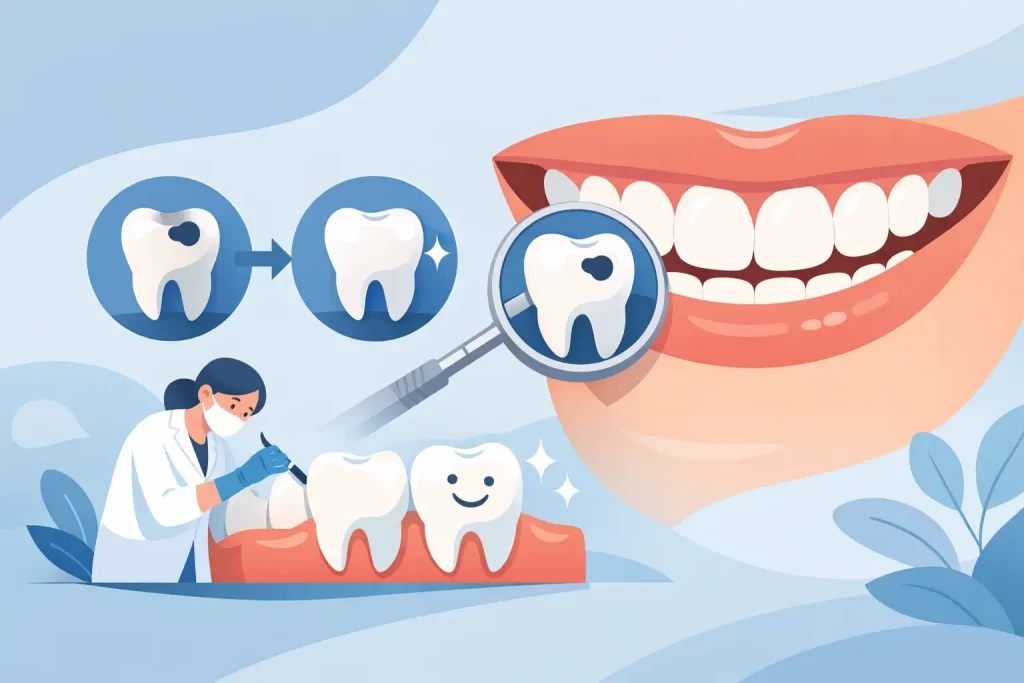
Benefits of Early Cavity Treatment for Your Smile
A cavity rarely becomes urgent overnight. It often begins as a small area of weakened enamel, sometimes with no pain at all, then quietly progresses beneath the surface. That is why the benefits of early cavity treatment reach far beyond fixing one tooth. Prompt care can help protect your comfort, preserve healthy tooth structure, and prevent a manageable concern from becoming a more involved dental problem.
For busy adults, parents, and families in Kingston, addressing decay early can also mean fewer disruptions to work, school, and daily life. A quick assessment and a small white filling today may help you avoid a severe toothache, an emergency appointment, or the need for more extensive treatment later.
Why Cavities Need Attention Before They Hurt
Tooth decay develops when bacteria in dental plaque use sugars from food and drinks to produce acids. Over time, those acids weaken enamel, the hard outer layer of the tooth. In its earliest stage, decay may appear as a faint white spot and can sometimes be managed with improved home care, fluoride, and professional monitoring before a true hole forms.
Once enamel breaks down enough to create a cavity, however, it cannot repair itself. The decay can continue into dentin, the softer layer beneath the enamel. Because dentin is less dense, decay may spread more quickly at this stage, even when the tooth still feels normal.
Pain is not a reliable measure of whether a cavity is serious. Many cavities cause little or no discomfort until they are close to the tooth’s nerve. Regular dental assessments, digital x-rays when appropriate, and intraoral images help identify concerns that may not be visible or painful yet.
The Main Benefits of Early Cavity Treatment
More of your natural tooth can be preserved
The earlier decay is treated, the less damaged tooth material usually needs to be removed. A small cavity may only require a conservative white filling that blends naturally with your smile. When decay is allowed to spread, a larger portion of the tooth may need to be restored, sometimes with a crown for added strength.
Preserving natural tooth structure matters because your own tooth is designed to absorb everyday biting and chewing forces. Modern restorations are highly effective, but keeping as much healthy enamel and dentin as possible is always a valuable goal.
Treatment is often simpler and more comfortable
A small filling is generally a straightforward procedure. Your dentist removes the decayed area, cleans the tooth, and restores it with a durable tooth-colored material. Depending on the size and location of the cavity, treatment may be completed comfortably in one visit.
Larger cavities can require more time, additional appointments, and more extensive planning. Early treatment does not mean every visit will feel the same, since each patient’s tooth and comfort needs are different. Still, treating decay while it is small often gives your dental team more conservative options.
You can reduce the chance of a toothache
As decay moves deeper into a tooth, it can irritate the pulp, which contains nerves and blood vessels. This may lead to sensitivity to cold, heat, sweets, or pressure. Eventually, it can develop into persistent pain that makes eating, sleeping, concentrating, and working difficult.
Treating a cavity before the pulp is affected can prevent that escalation. It also means you are more likely to schedule care on your terms rather than trying to find relief during a painful dental emergency.
It may help you avoid root canal therapy or extraction
When bacteria reach the pulp, the tooth can become inflamed or infected. Root canal therapy may then be needed to remove infected tissue and preserve the tooth. In some cases, if the damage is too extensive, extraction may be the healthiest option.
Root canal therapy and tooth replacement can be excellent solutions when they are needed, and they are often essential for saving oral health. But they are not the first choice when early treatment could stop decay before it reaches that point. A timely filling may help protect your natural tooth and reduce the likelihood of more advanced procedures.
Your overall treatment costs may be easier to manage
The financial benefit of early treatment is practical: smaller restorations are usually less complex than root canal therapy, crowns, extractions, dentures, or other tooth replacement options. Waiting can turn one treatment need into several connected ones.
Cost should never be the only factor in a healthcare decision, and the right treatment depends on the condition of the tooth. However, addressing a cavity while it is small often provides a clearer, more manageable path forward. Asking about treatment options and flexible payment arrangements can help you make an informed decision without unnecessary delay.
Early Treatment Supports a Confident Smile
Cavities are not always hidden. Decay on a front tooth, along the gumline, or around an older filling can change the appearance of your smile. It may create dark areas, rough edges, or visible damage that makes you feel self-conscious when speaking or laughing.
Tooth-colored fillings can restore both function and appearance, especially when treatment happens before a large section of the tooth is affected. The goal is not only to repair decay, but to help your tooth look natural and feel comfortable again.
Early care also protects the teeth around the cavity. A damaged tooth can trap plaque and food more easily, making the area harder to keep clean. Restoring smooth tooth surfaces supports daily brushing and flossing and can make your routine feel more effective.
What Happens at a Cavity Assessment?
A dental visit for a suspected cavity should feel informative, not intimidating. Your dentist will ask about symptoms such as sensitivity, pain when biting, food catching between teeth, or changes you have noticed. They will examine the tooth and surrounding gums, and may recommend digital x-rays if they need a clearer view between teeth or beneath an existing restoration.
If treatment is needed, you should understand what the dentist sees, why a particular option is recommended, and what to expect during the procedure. Intraoral cameras can be especially helpful because they allow you to see the area being discussed. That visual explanation can make decisions feel less uncertain.
At Restorative Dental Jamaica, the focus is on personalized care and preserving healthy teeth whenever possible. Whether you need a simple filling, a replacement for an old restoration, or a more advanced treatment plan, you deserve clear answers and a comfortable, respectful experience.
Signs You Should Schedule a Visit Soon
Do not wait for severe pain to arrange an assessment. Sensitivity to hot, cold, or sweet foods; a dark spot or small hole in a tooth; pain when chewing; floss that repeatedly catches or tears in one area; and food regularly getting stuck can all warrant a dental check.
A chipped filling, a filling that feels rough, or a sudden change in how your teeth come together should also be evaluated. These symptoms do not always mean you have a cavity, but they can signal decay, a cracked tooth, or a restoration that needs attention.
If you experience facial swelling, fever, severe throbbing pain, or swelling around a tooth or gum, seek urgent dental care. These can be signs of infection and should not be managed by waiting for the discomfort to pass.
Prevention Still Matters After a Filling
A filling repairs a cavity, but it does not make a tooth immune to future decay. Consistent brushing with fluoride toothpaste, cleaning between teeth daily, limiting frequent sugary snacks and drinks, and keeping regular professional cleanings are all part of long-term protection.
It also helps to remember that frequent sipping can be tougher on teeth than enjoying a sweet item with a meal. Each exposure gives plaque bacteria another opportunity to produce acid. Small changes, such as choosing water between meals and avoiding bedtime snacks after brushing, can support your dental health over time.
If you have dry mouth, braces or aligners, crowded teeth, a history of frequent cavities, or several older fillings, your prevention plan may need extra attention. Your dentist can recommend a routine that fits your needs rather than offering a one-size-fits-all approach.
A cavity is easier to treat when it is small, and peace of mind is easier to gain when you know exactly what is happening with your teeth. If something feels different or it has been a while since your last checkup, a timely dental assessment can help you protect your smile with confidence.
Leave a reply








Leave a reply