
How to Overcome Dental Anxiety
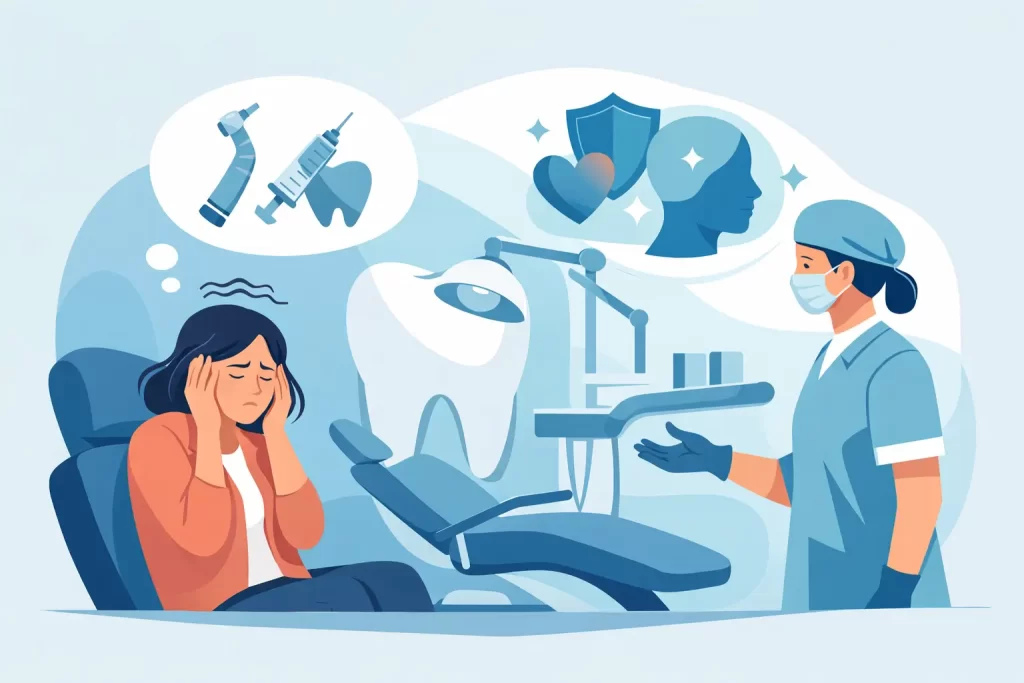
That nervous feeling often starts before you ever sit in the dental chair. For some people, it shows up when they book the appointment. For others, it hits in the waiting room, or the moment they hear a dental instrument. If you have been searching for how to overcome dental anxiety, you are far from alone, and you are not overreacting. Dental fear is real, common, and manageable with the right support.
Many anxious patients are not afraid of just one thing. It may be pain, loss of control, embarrassment about the condition of their teeth, bad memories from years ago, or simply not knowing what to expect. The good news is that modern dentistry can feel very different from what you remember. A patient-centered practice with a calm environment, clear communication, and thoughtful care can make a significant difference.
Why dental anxiety feels so overwhelming
Dental anxiety tends to build on anticipation. Your mind fills in the blanks before anything has actually happened. A routine exam can start to feel like a major event because the fear is not only about treatment itself. It is also about uncertainty.
That is why reassurance alone is not always enough. Telling yourself to relax may not work if your body is already in a stress response. Your heart races, your muscles tense, and your breathing becomes shallow. Once that cycle starts, even a short visit can feel harder than it should.
There is also a practical side to this. People who feel anxious about dental care often delay appointments. Small issues then become larger ones, and larger issues usually require more involved treatment. That can reinforce the fear. Breaking that cycle early matters because it protects both your comfort and your oral health.
How to overcome dental anxiety before your appointment
The most effective approach usually starts before you arrive. Anxiety tends to ease when you replace uncertainty with a plan.
Begin by being honest when you book your appointment. Let the dental team know that you feel nervous. This is not a minor detail. It gives them a chance to schedule enough time, explain what to expect, and adjust the visit to help you feel more comfortable. Patients sometimes worry that admitting fear will seem dramatic, but in a supportive office, it helps your team care for you better.
It also helps to book wisely. If possible, choose a time of day when you are less rushed and less likely to feel stressed. For many people, earlier appointments work well because there is less time to overthink. Others prefer later slots once they have settled into the day. It depends on your routine and what tends to trigger your stress.
Try to avoid arriving already overstimulated. If you can, give yourself a little extra time so you are not parking in a panic or walking in breathless. Even ten quiet minutes beforehand can make the experience feel more manageable.
Some patients benefit from a simple comfort routine. That might mean listening to calming music before the visit, practicing slow breathing in the car, or bringing a trusted friend for support. None of this is childish. It is practical. Anxiety responds well to familiarity and structure.
What to ask your dentist if you feel nervous
A good dental visit should not feel like something being done to you without your input. One of the best ways to reduce fear is to understand the process and know you have a voice in it.
Ask what will happen during the appointment, how long it should take, and what you are likely to feel. If you are concerned about discomfort, ask what pain control options are available. If sounds or sensations bother you, say so. If you feel embarrassed about avoiding care, mention that too. A compassionate dental team has heard it before, and the goal should be to help, not judge.
It can also be useful to agree on a stop signal before treatment begins. A raised hand is often enough. That simple step gives many patients a stronger sense of control. You know that if you need a moment, you can ask for one.
For some people, detailed explanations reduce stress. For others, too much information increases it. Let your dentist know which type of communication helps you most. There is no single right way. The best care is personalized.
How comfort-focused dentistry can help
If you have had a difficult experience in the past, it may help to choose a practice that puts real thought into patient comfort. That goes beyond friendly conversation. It includes a calm office environment, respectful communication, and technology that supports more efficient, accurate care.
Modern tools can make visits feel smoother and less uncertain. Digital x-rays, for example, can speed up imaging and help your dentist explain what is happening more clearly. Intraoral cameras can also show you exactly what the dentist sees, which often makes treatment recommendations feel less intimidating and more understandable.
Comfort matters in smaller ways too. A relaxing waiting area, an attentive team, and a sense that you are being cared for as a person, not just a procedure, can change the tone of the entire visit. At Restorative Dental Jamaica, that patient-first approach is part of making dental care feel more approachable for individuals and families who may be carrying years of worry into the office.
Practical ways to stay calm in the chair
Even with a kind team and a good plan, you may still feel nervous once treatment begins. That does not mean you are failing. It just means you need a few tools you can use in real time.
Breathing slowly and steadily is one of the most effective options. Try inhaling through your nose for four counts and exhaling for six. A longer exhale can help settle your nervous system. Keep it gentle. You are not trying to force calm. You are giving your body a cue that it is safe.
Another helpful technique is to focus on relaxing one part of your body at a time. Drop your shoulders. Unclench your hands. Let your legs go heavy in the chair. Anxiety often tightens the whole body without you noticing. Releasing that tension can reduce the sense of alarm.
Distraction can help too. Some patients prefer music or headphones. Others do better when the dentist talks them through each step. Again, it depends on what makes you feel more secure.
If numbness is part of the treatment and that worries you, say so early. Fear of injections is common, but there are gentle ways to make that process easier. The key is not to endure silently. The more your team understands your concern, the better they can respond.
When dental anxiety is tied to shame or past neglect
This part matters more than many people realize. Some patients are not just afraid of treatment. They are afraid of being judged for how long they waited, how their teeth look, or what the dentist might find.
If that sounds familiar, remind yourself of this: delaying care is common when fear is involved, and a professional dental team should focus on solutions, not blame. You do not need perfect teeth to deserve respectful care. You just need a starting point.
In many cases, the first appointment does not have to be intense. It can simply be an exam, a conversation, and a plan. That lower-pressure beginning helps many patients rebuild trust. Once you have one calmer experience, the next visit often feels much easier.
Helping children and family members with dental fear
Dental anxiety can affect the whole family, especially when children sense a parent’s stress. If your child is nervous, try to keep your language calm and simple. Avoid telling them not to be scared. Instead, tell them what they can expect and that the dental team is there to help keep them comfortable.
Adults need the same kind of support, even if they hide it better. Partners, parents, and busy professionals often push through stress until they avoid care entirely. A gentle reminder that prevention is easier than delayed treatment can help, but empathy matters more than pressure.
A better experience starts with the right first step
Learning how to overcome dental anxiety is rarely about becoming fearless overnight. It is about making the next visit feel possible, then easier, then routine. Sometimes that starts with choosing a dentist who listens well. Sometimes it starts with booking an exam you have put off for months. Sometimes it starts with saying, very simply, I am nervous.
That one honest sentence can change the entire experience. And when dental care begins to feel more predictable, more respectful, and more comfortable, it becomes much easier to protect your smile without carrying so much stress into every appointment.
If you have been waiting for the right moment to come in, this may be it. A calmer visit is often closer than you think.
Leave a reply








Leave a reply