
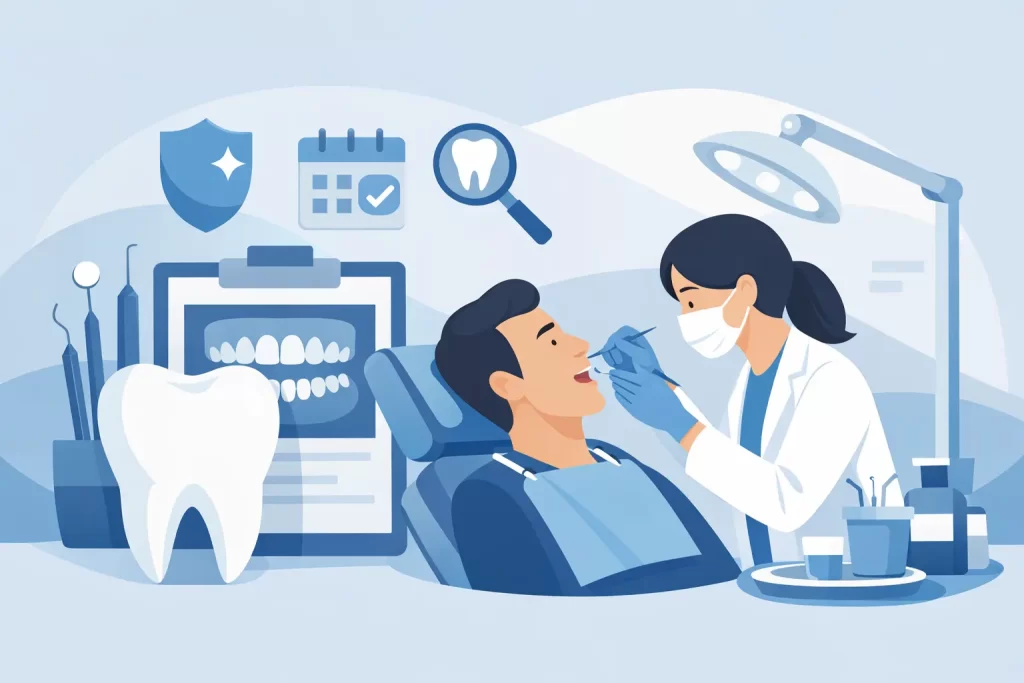
A Guide to Routine Dental Checkups
Most people do not worry about a dental visit until something starts to hurt. That is usually the moment when treatment becomes more involved, more time-consuming, and sometimes more expensive than it needed to be. A good guide to routine dental checkups starts with one simple idea: regular visits are not just about cleaning your teeth. They are one of the most practical ways to protect your overall oral health, catch small issues early, and keep your natural teeth stronger for longer.
For many patients, routine checkups also bring peace of mind. If you have ever wondered whether a sensitive tooth is a problem, whether your gums are healthy, or whether your brushing routine is really enough, a checkup gives you clear answers. It is a chance to stay ahead instead of trying to recover after a problem has already developed.
Why routine dental checkups matter
Routine dental checkups are preventive care in the truest sense. They help identify cavities, gum inflammation, worn fillings, cracked teeth, plaque buildup, and other concerns before they turn into bigger treatments. What may begin as a tiny area of decay can often be treated with a simple filling if it is found early. Left alone, that same tooth may eventually need a root canal, crown, or extraction.
The same is true for gum health. Many people are surprised to learn that early gum disease may not be painful. You might notice a little bleeding when brushing and assume it is nothing serious. During a checkup, your dentist can look more closely, measure gum health, and recommend treatment before the condition progresses.
There is also a practical lifestyle benefit. Regular visits help you avoid disruptions. It is much easier to schedule a planned appointment than to rearrange your week around a sudden toothache, swelling, or broken tooth. For working adults, parents, and busy families, that difference matters.
A practical guide to routine dental checkups
For most patients, a routine dental checkup includes two main parts: an examination and a professional cleaning. Depending on your oral health history, your visit may also include digital x-rays, photos with an intraoral camera, or a conversation about cosmetic or restorative concerns you have been putting off.
The examination is where your dentist checks the condition of your teeth, gums, bite, and any existing dental work. Fillings, crowns, and other restorations do not last forever, so these visits are also important for making sure previous treatment is still doing its job. Catching wear or damage early can often preserve more of the natural tooth.
The cleaning focuses on removing plaque and tartar that daily brushing and flossing cannot fully reach. Even patients with excellent home care can develop buildup in certain areas. A professional cleaning helps reduce the risk of cavities and gum disease while leaving your mouth feeling fresher and cleaner.
If x-rays are recommended, they allow the team to see what cannot be seen on the surface. Decay between teeth, changes around the roots, bone levels, and hidden infections may not be visible during a standard visual exam alone. Modern digital imaging also makes the process faster and more comfortable.
What to expect at your appointment
If you have been delaying care because you are unsure what will happen, the visit is usually more straightforward than people expect. You arrive, check in, and the team begins by reviewing your dental history, any symptoms, and any changes in your health. That matters because medications, medical conditions, and even stress can affect your oral health.
Once you are in the treatment room, the clinical team will assess your mouth carefully. They may look for signs of decay, gum irritation, wear from grinding, fractures, staining, or areas that trap food and plaque. If you have concerns about sensitivity, bad breath, cosmetic appearance, or discomfort when chewing, this is the right time to mention them.
After the exam, the cleaning is completed if appropriate for your needs that day. Some patients simply need a routine scale and polish. Others may need a deeper gum-focused cleaning if there is more significant buildup or signs of periodontal disease. That is one of the reasons routine care is personal rather than one-size-fits-all.
Before you leave, you should have a clear understanding of what was found, whether anything needs treatment, and when you should return. A quality dental office will not rush that conversation. You should feel informed, respected, and comfortable asking questions.
How often should you go?
A common rule of thumb is every six months, and for many people that schedule works well. But the right timing depends on your oral health, habits, and treatment history. Some patients benefit from more frequent visits, especially if they have gum disease, heavy tartar buildup, frequent cavities, or ongoing restorative work that needs monitoring.
Others may be stable on a predictable recall schedule with fewer concerns. The best approach is not to choose a timeline based only on habit. It should be based on your risk level. If you smoke, have diabetes, wear braces or aligners, grind your teeth, or have had repeated dental problems in the past, more regular monitoring may save you trouble later.
For children and teens, the same principle applies. Their mouths change quickly, and regular visits can help catch decay, bite issues, and hygiene challenges early. For adults, routine appointments are often what preserve earlier dental work and prevent avoidable tooth loss over time.
When a checkup can lead to more than prevention
A routine visit is not only about spotting problems. It can also be the moment when patients finally address concerns they have been living with for years. Maybe you have an old filling that keeps catching food. Maybe a tooth is chipped but not painful. Maybe staining has made you less confident about your smile.
A checkup creates the opportunity to discuss solutions while the issues are still manageable. In many cases, small restorative or cosmetic improvements can be planned before the problem becomes urgent. White fillings, crowns, bonding, whitening, and other treatments often begin with a simple conversation during a regular exam.
This is where personalized care matters. Some patients want the most conservative option possible. Others want to combine health needs with aesthetic improvements. Neither approach is wrong. The right plan depends on your priorities, your budget, and the condition of your teeth.
Why people postpone checkups and why that can cost more
It is easy to put off routine care. Life gets busy. Work schedules fill up. Parents often prioritize everyone else first. Some patients also avoid appointments because they feel embarrassed about how long it has been, or because they are worried the dentist will find something serious.
The truth is that delaying care rarely makes treatment simpler. Dental problems tend to progress quietly. A small cavity does not usually repair itself. Gum inflammation does not usually disappear because you switched toothpaste. And a cracked tooth may hold up for a while before it suddenly does not.
There is also an emotional cost to waiting. Lingering uncertainty can create low-level stress. Many patients feel relieved after a checkup, even when they need treatment, because they finally know what is happening and what the next step is.
A caring practice understands that some people arrive nervous or overdue. The goal should never be judgment. It should be comfort, clarity, and a practical plan that helps you move forward confidently.
Choosing a dental office for routine care
If you are looking for a guide to routine dental checkups that helps you choose where to go, pay attention to more than location alone. Convenience matters, but so does the overall experience. You want a dental team that explains findings clearly, uses modern technology when appropriate, respects your concerns, and makes preventive care feel approachable rather than intimidating.
Comfort also matters more than many people realize. A calm, welcoming environment can make it much easier to stay consistent with your visits. That is especially true for patients with dental anxiety and for families trying to build healthy habits for children.
At Restorative Dental Jamaica, this patient-first approach is part of what makes routine visits feel more manageable. When people feel cared for, they are more likely to return regularly, ask questions openly, and make decisions early instead of waiting until discomfort forces the issue.
Getting the most from your checkup
The best routine appointments are a partnership between your home care and your dental team. Brush thoroughly, floss consistently, and be honest about any symptoms or habits that may affect your teeth, such as clenching, smoking, or frequent sugary drinks. Small details can help your dentist give better advice.
It also helps to speak up about your goals. If you want to avoid future dental work, improve the appearance of your smile, or understand the best way to care for a crown, denture, or aligners, say so. A routine visit can be far more useful when it is guided by what matters most to you.
Regular dental checkups are not about creating extra appointments in your schedule. They are about protecting your time, your comfort, and your long-term oral health with fewer surprises along the way. If it has been a while since your last visit, the best time to restart is simply now. Your future smile will thank you for not waiting.
Leave a reply







Leave a reply