
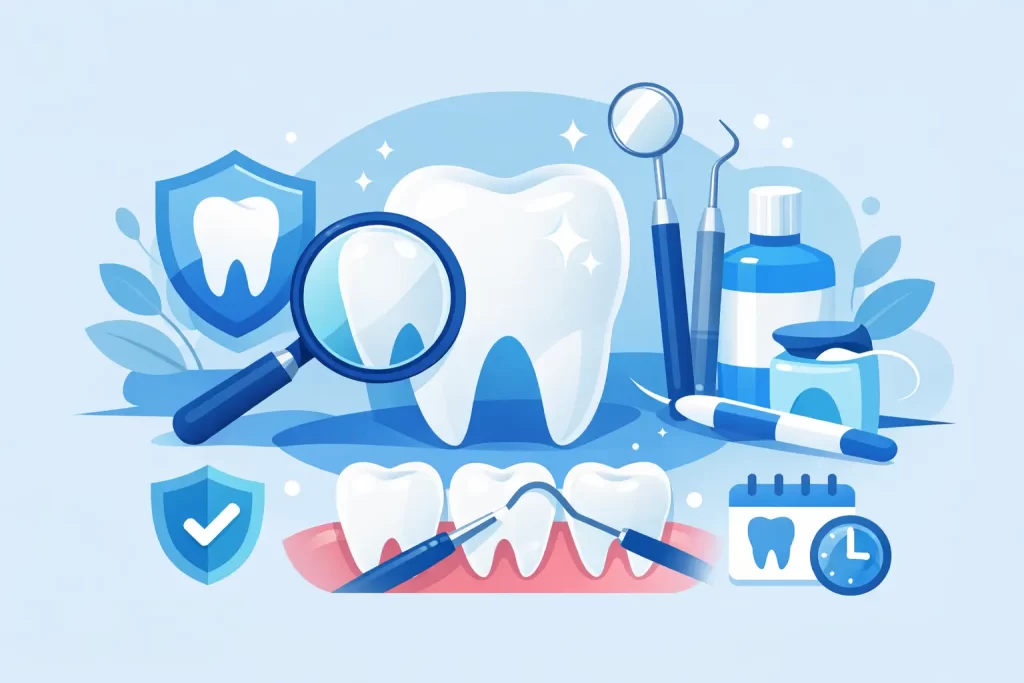
Preventive Dental Treatments That Matter
A small cavity rarely starts as a big problem. More often, it begins quietly, without pain, without swelling, and without any obvious sign that something is changing. That is exactly why preventive dental treatments matter. They help catch trouble early, lower the risk of costly repair later, and give you a better chance of keeping your natural teeth healthy for years to come.
For many patients, prevention sounds simple until real life gets in the way. Work gets busy, school schedules fill up, and dental visits can slip down the list. But routine care is not just about staying on schedule. It is about protecting your smile before discomfort, damage, or tooth loss forces you into treatment you would rather avoid.
What preventive dental treatments actually do
Preventive dental treatments are designed to stop problems before they become more serious. That includes reducing plaque buildup, spotting early decay, monitoring gum health, protecting vulnerable tooth surfaces, and identifying issues that may not be visible to you at home.
The benefit is not only medical. Prevention is often more comfortable, more affordable, and less disruptive than restorative care. A professional cleaning is easier than deep gum treatment. A small filling is simpler than a root canal and crown. A sealant is far less involved than repairing a broken-down tooth later.
This does not mean every patient needs the same schedule or the same services. It depends on your risk factors. Someone with frequent cavities, gum inflammation, dry mouth, or orthodontic appliances may need more frequent visits than someone with very stable oral health. Good preventive care should always feel personalized, not automatic.
The core preventive dental treatments most patients need
The foundation of preventive care usually starts with regular dental assessments and professional cleanings. These visits are not interchangeable, and both matter.
A dental assessment allows your dentist to check for early decay, worn fillings, cracks, gum disease, bite issues, and other changes that may not hurt yet. Digital x-rays can reveal problems between teeth or below the surface, while intraoral images can help you see what your dentist sees. That kind of clarity makes it easier to understand your condition and make confident treatment decisions.
Professional cleanings, often called scale and polishing, remove hardened buildup and surface stains that brushing and flossing at home cannot fully address. Even patients with strong home care can develop tartar in hard-to-reach areas. Once tartar forms, it needs to be removed professionally. Cleanings also give the dental team a chance to monitor changes over time instead of waiting until symptoms appear.
Fluoride may also be recommended for certain patients, especially those with a higher cavity risk. It helps strengthen enamel and can support the early repair of weakened areas before they turn into full cavities. Adults benefit from fluoride too, not just children.
Preventive dental treatments for children and teens
Parents often think of prevention first when it comes to children, and for good reason. Early protection can shape oral health for years.
Fissure sealants are one of the clearest examples. The chewing surfaces of back teeth have tiny grooves that can trap food and bacteria. Even with good brushing, these areas can be difficult to clean thoroughly. Sealants create a protective layer over those grooves, reducing the chance of decay in those vulnerable spots.
Routine assessments are just as important during the growing years. Dentists can monitor how teeth are erupting, check for crowding or bite concerns, and catch decay before it spreads. This matters because children do not always explain discomfort clearly, and early-stage dental problems may go unnoticed at home.
That said, prevention for younger patients should never feel rushed or intimidating. A calm, friendly dental environment can make a lasting difference in how a child feels about dental visits as they grow.
Why adults still need a prevention-first approach
Adults often assume prevention becomes less important once all permanent teeth have come in. In reality, adult patients face a different set of risks.
Gum disease becomes more common with age, especially if cleanings are delayed. Old fillings may begin to fail around the edges. Teeth can develop cracks from grinding or clenching. Certain medications may reduce saliva flow, which increases cavity risk. Cosmetic concerns can also overlap with prevention, since stained, worn, or chipped teeth may need monitoring before they become structurally compromised.
Preventive care helps manage all of this before small warning signs become larger treatment plans. If your dentist notices enamel wear, for example, that may lead to advice about night guards, bite changes, or dietary habits. If gum inflammation is caught early, improved cleaning habits and timely visits may prevent progression to more serious periodontal treatment.
This is where consistency matters. Prevention is not one appointment. It is a pattern of care.
When prevention can save you from restorative treatment
The strongest case for preventive dental treatments is often what they help you avoid.
A cavity found early may only need a white filling. Left alone, that same tooth may eventually need root canal therapy or a crown. Gum inflammation addressed with routine cleaning and improved home care may settle down quickly. Ignored for too long, it can lead to bone loss, loose teeth, and eventual tooth loss.
Even cosmetic concerns sometimes begin as preventive opportunities. A small chip, mild enamel wear, or early staining pattern may point to grinding, acidic drinks, or bite stress. Addressing the cause early can help preserve the appearance and strength of your natural teeth.
There is a financial side to this as well. Preventive visits usually cost less than advanced restorative work. While no office can promise that prevention will eliminate future treatment, it often reduces the chance of sudden, expensive, and time-consuming care.
What good prevention looks like at home
Professional care works best when it is supported by daily habits. Brushing twice a day with fluoride toothpaste, cleaning between the teeth, and limiting frequent sugary snacks and drinks all make a real difference.
Still, home care is not about perfection. Many patients brush regularly and still develop certain issues because technique, anatomy, diet, stress habits, and medical history all play a role. That is why dental visits remain essential. Prevention at home and prevention in the office are partners, not substitutes.
If you wear aligners, have crowns, or tend to get food trapped in certain areas, your dentist may recommend more specific hygiene tools. A personalized routine is often more effective than trying to follow generic advice.
How often should you schedule preventive dental treatments?
For many patients, every six months is a practical starting point. But that is not a universal rule.
Some people benefit from more frequent cleanings and evaluations, especially if they have gum disease, a history of repeated cavities, heavy tartar buildup, or health conditions that affect oral health. Others with low risk and excellent stability may have a different schedule recommended by their dentist.
The right timing depends on your mouth, not just the calendar. A good dental practice will explain why your recall interval makes sense for you instead of treating every patient the same way.
Prevention should feel comfortable, not stressful
One reason patients delay care is simple – they do not want a cold or uncomfortable experience. That concern is understandable, especially if you have had rushed appointments elsewhere or tend to feel anxious about treatment.
Preventive visits should feel reassuring. You should know what is being checked, why it matters, and what your options are if something needs attention. Modern tools, clear communication, and a welcoming environment all make preventive care easier to keep up with.
At Restorative Dental Jamaica, that prevention-first mindset is part of how we help patients protect natural teeth and feel more confident about their oral health. The goal is not just to treat problems well. It is to help you avoid as many of them as possible.
If it has been a while since your last dental visit, the best next step is usually a simple one. Start with an assessment, get a clear picture of your current oral health, and build from there. A little prevention now can make a very real difference later.
Leave a reply







Leave a reply