
What Are Dental Crowns For?
A tooth can look fine from the outside and still be one bite away from cracking. That is often when patients start asking, what are dental crowns for, and do I really need one? The short answer is that a dental crown is used to protect and restore a tooth that is no longer strong enough to do its job on its own.
Crowns are one of the most common restorative treatments because they solve more than one problem at once. They can strengthen a weak tooth, rebuild a badly damaged one, improve the look of a misshapen tooth, and help you keep your natural tooth longer. For many people, a crown is not about doing something extra. It is about preventing a bigger problem later.
What are dental crowns for in everyday terms?
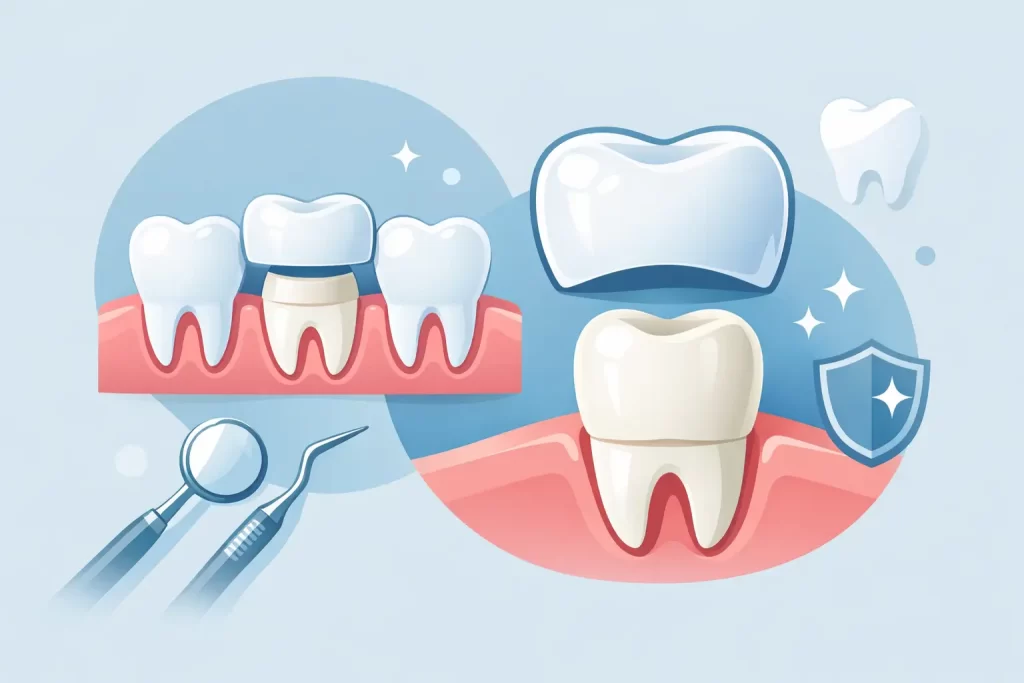
A dental crown is a custom-made cover that fits over a tooth. Once it is placed, it becomes the new outer surface of that tooth. Think of it as a protective shell that restores the tooth’s shape, strength, and function while also improving how it looks.
In everyday dental care, crowns are used when a filling is no longer enough. If a tooth has a large cavity, a fracture, heavy wear, or has been weakened after root canal treatment, a crown can help hold it together. It lets you chew more comfortably and reduces the chance of the tooth breaking further.
That matters because not every damaged tooth needs to be removed. In many cases, preserving the natural tooth is the better path for comfort, function, and long-term oral health. A crown is often part of that preservation plan.
When a dentist recommends a crown
There is no single reason a crown is recommended. It depends on how much healthy tooth structure remains and how much force that tooth handles every day.
A back tooth with a large old filling may start to flex under pressure. A front tooth may be chipped and worn in a way that affects your smile. A tooth that has had root canal therapy may become more brittle over time. In each of these cases, the crown is doing a slightly different job, but the goal is the same: protect the tooth and restore confidence in using it.
Dentists commonly recommend crowns to treat teeth that are cracked, heavily filled, worn down, misshapen, severely decayed, or discolored in a way that simpler cosmetic treatment may not fix. Crowns are also used to complete a dental implant or to support certain types of bridges.
What are dental crowns for after a root canal?
This is one of the most common questions patients have. After a root canal, the infection inside the tooth has been treated, but the tooth itself may be weaker than before. That is especially true for molars and premolars, which absorb a lot of chewing pressure.
A crown placed after root canal treatment helps seal and protect the tooth. Without that added protection, the tooth may be more likely to crack, sometimes badly enough that it cannot be saved. Not every root canal tooth needs a crown, but many back teeth do.
The decision depends on the tooth’s location, how much natural structure is left, and how you bite. A small front tooth with minimal damage may be managed differently from a heavily restored molar. This is one of those it depends situations where an exam and x-rays make a real difference.
Crowns can restore strength, not just appearance
Some patients assume crowns are mainly cosmetic. They certainly can improve appearance, but their real value is often structural.
If a tooth has lost too much enamel or has a fracture line, simply patching it with another filling may not give it enough support. Fillings replace missing areas, but they do not wrap around and reinforce the tooth the way a crown does. A crown redistributes chewing forces more evenly, which can help the tooth function more safely.
That can be especially helpful for people who grind their teeth, have a history of broken fillings, or tend to delay treatment until a tooth is significantly damaged. In those cases, choosing a crown sooner may prevent a more costly or painful problem later.
When crowns are used for cosmetic improvement
Crowns can also improve the appearance of teeth that are badly stained, uneven, worn, or irregularly shaped. If a tooth is both damaged and unattractive, a crown can address both concerns in one treatment.
That said, a crown is not always the first cosmetic option. If a tooth is healthy and the concern is mainly color or minor shape changes, treatments like whitening, bonding, or veneers may be more conservative. A good dentist will not recommend a crown when a simpler option can achieve the result you want.
The right choice depends on whether the issue is cosmetic, structural, or both. This is where a patient-centered approach matters. You want treatment that looks good, feels comfortable, and makes sense for the condition of your tooth.
How to know if a crown is better than a filling
A filling works well when the damaged area is relatively small and the remaining tooth is still strong. A crown is usually the better choice when the tooth has lost too much structure to support itself.
There is no perfect percentage that applies to every case, but large cavities, broken cusps, repeated replacement fillings, and teeth with cracks often point toward a crown. If a filling would leave the tooth walls too thin, the restoration may fail quickly. In that case, a crown is often the more durable and predictable option.
Patients sometimes worry that a crown means the tooth is in very bad shape. Not always. Sometimes it simply means the goal is to protect what is left before the damage becomes severe.
What the process usually involves
Getting a crown is usually straightforward. First, the tooth is examined, and digital imaging may be used to evaluate the extent of damage and the health of the root. The tooth is then shaped so the crown can fit properly. An impression or digital scan is taken, and a custom crown is made to match your bite and smile.
In many cases, a temporary crown is placed while the final one is being made. Once the permanent crown is ready, your dentist checks the fit, appearance, and bite before bonding it into place.
Comfort matters throughout the process. With modern techniques and a calm, supportive environment, most patients find crown treatment much easier than they expected. That reassurance matters, especially if dental visits have felt stressful in the past.
How long do dental crowns last?
Crowns are durable, but they are not indestructible. Their lifespan depends on the material used, how well you care for them, your bite, and whether you grind or clench your teeth.
Many crowns last for years with good home care and regular dental visits. Brushing, flossing, and professional cleanings still matter because the tooth underneath the crown and the gumline around it need ongoing care. A crown protects the tooth, but it does not make it immune to decay or gum disease.
If you notice discomfort when biting, a loose feeling, or changes around the gumline, it is best to have the crown checked early. Small issues are usually easier to manage before they become larger ones.
Are dental crowns worth it?
For the right tooth, yes. A crown can extend the life of a tooth, improve comfort when chewing, and reduce the risk of future fracture. It can also restore confidence if the tooth is visible when you smile.
The trade-off is that a crown is a bigger investment than a filling, and it requires reshaping the tooth. That is why the decision should be based on need, not pressure. When a crown is recommended thoughtfully, it is usually because it offers the best chance of preserving the tooth for the long term.
At Restorative Dental Jamaica, that focus on preservation is central to how treatment decisions are made. The goal is not just to fix what hurts today. It is to help you keep your natural teeth healthy, functional, and attractive for as long as possible.
If you have been told you may need a crown, or you are dealing with a cracked, heavily filled, or weakened tooth, the best next step is a proper evaluation. Sometimes a simple fix is enough. Sometimes a crown is the treatment that helps you avoid losing the tooth. Either way, clarity brings peace of mind, and peace of mind makes it much easier to move forward.
Leave a reply








Leave a reply