
Is General Dentistry a Specialty?
If you have ever looked for a new dentist and wondered, is general dentistry a specialty, you are not alone. It is a common question, especially when dental offices talk about preventive care, restorative treatments, cosmetic options, and more advanced procedures. The short answer is no – general dentistry is usually not classified as a dental specialty. But that does not make it basic or less valuable. In many cases, a general dentist is the doctor who protects your oral health most consistently over time.
That distinction matters because patients often assume that a specialist automatically offers better care. In reality, the right choice depends on what your teeth need, how complex the problem is, and who is best equipped to treat it comfortably and effectively.
Is general dentistry a specialty or something broader?
General dentistry is the main branch of dental care focused on diagnosing, preventing, and treating common oral health issues for patients of all ages. A general dentist is typically your first point of contact for routine exams, cleanings, fillings, crowns, gum care, and many types of restorative treatment.
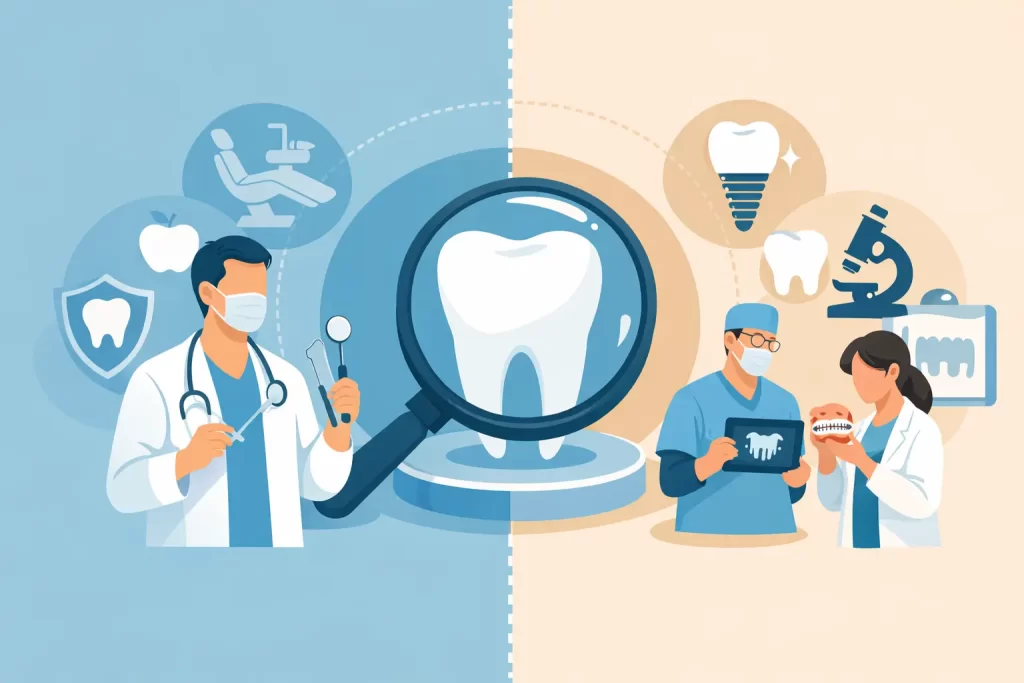
In the United States, recognized dental specialties involve additional formal training in a specific area after dental school. These can include orthodontics, endodontics, periodontics, oral surgery, pediatric dentistry, prosthodontics, oral pathology, dental public health, and dental anesthesiology. General dentistry does not fall into that specialist category because it is designed to be broad rather than limited to one area.
That broad focus is exactly why it is so important. A skilled general dentist does not just clean teeth. They monitor changes over time, spot decay early, manage worn or broken teeth, evaluate gum health, and help patients avoid bigger problems whenever possible.
What general dentists actually do
Many people hear the word general and think it means simple. In dental care, it usually means comprehensive. General dentists are trained to handle a wide range of treatments that support both function and appearance.
That may include dental assessments, digital x-rays, white fillings, crowns, root canal therapy, tooth extractions, dentures, scale and polishing, sealants, bonding, whitening, veneers, and even clear aligner treatment in some practices. The exact service mix depends on the dentist’s training, experience, technology, and comfort level with different procedures.
This is why one dental office may manage most of your needs in-house, while another may refer more often. Neither approach is automatically better. What matters is whether your care is safe, appropriate, and clearly explained.
Why general dentistry is often the foundation of long-term care
For most patients, good dental health is not built around one dramatic treatment. It is built around consistency. Routine visits make it easier to catch cavities while they are small, monitor old fillings before they fail, address gum inflammation early, and prevent avoidable tooth loss.
A general dentist is usually the professional who sees the full picture over months and years. They know your dental history, understand your concerns, and can recommend treatment in the context of your overall oral health. That continuity is one of the biggest advantages of general dental care.
If you are managing sensitivity, recurring decay, worn teeth, or an older crown that needs attention, a general dentist can often coordinate treatment in a way that feels practical and manageable. Instead of treating one issue in isolation, they look at how everything works together.
How specialists are different
Specialists focus deeply on one area of dentistry. An orthodontist focuses on tooth movement and bite alignment. An endodontist focuses on the inside of the tooth and root canal treatment. A periodontist focuses on gum disease and supporting structures. An oral surgeon handles more complex surgical procedures. A prosthodontist concentrates on advanced tooth replacement and restoration.
This extra training is especially helpful when a case is more complex, the anatomy is unusual, or the treatment carries a higher level of difficulty. If a wisdom tooth is impacted, a gum condition is advanced, or a root canal involves a difficult canal system, referral to a specialist may be the best next step.
That does not mean every treatment in those categories must be done by a specialist. Many general dentists provide certain advanced services very well, particularly when they have the right experience and technology. The real question is not specialist versus general dentist as a matter of status. It is which provider is best suited to your specific case.
When a general dentist is the right place to start
In most situations, your general dentist should be your first call. If you have a toothache, bleeding gums, a broken filling, staining, bad breath, or simply need a checkup, general dentistry is designed for exactly that kind of care.
Starting with a general dentist also helps avoid unnecessary confusion. They can assess the issue, explain what is happening, begin treatment when appropriate, and refer you only if specialized care is truly needed. That saves time and often gives patients more confidence because they are not guessing where to go next.
For families and busy professionals, this matters. Having one trusted office for preventive visits, restorative care, cosmetic improvements, and ongoing monitoring makes dental care easier to keep up with. It also supports better long-term outcomes because patients are more likely to return when care feels accessible and comfortable.
Why the question matters to patients
When people ask, is general dentistry a specialty, they are often asking something deeper. They want to know whether a general dentist is qualified enough, experienced enough, or advanced enough to trust with their care.
That concern is understandable, especially if you are dealing with pain, visible damage, or a smile issue that affects your confidence. But qualifications are not just about labels. They are also about clinical judgment, communication, technology, and a clear commitment to doing what is best for the patient.
A strong general dental practice brings together several things patients value most: thorough exams, modern imaging, personalized treatment planning, comfort-focused care, and the ability to preserve natural teeth whenever possible. Those qualities often make a much bigger difference to the patient experience than whether the provider is called a specialist.
The role of referrals in quality care
One sign of a trustworthy dental office is not that it claims to do everything. It is that it knows when referral is the better option. Good general dentists do not see referrals as losing a patient. They see them as part of responsible care.
If your case needs a specialist, that recommendation can actually be reassuring. It means your dentist is focused on the safest and most effective path, not simply trying to keep every procedure in-house. After specialist treatment is completed, patients often return to their general dentist for continued maintenance and follow-up.
That shared-care model is common and helpful. It allows patients to benefit from specialized expertise when needed while still keeping a long-term dental home for everyday care.
Choosing the right dentist for your needs
Instead of focusing only on whether general dentistry is a specialty, it helps to ask better questions. Does the dentist explain treatment clearly? Do they offer the services you need? Do they use modern tools to support diagnosis? Do they prioritize preservation, prevention, and patient comfort? Do you feel listened to?
Those answers tell you more about the quality of care than a title alone. For many patients, a caring and experienced general dentist is exactly the right provider for both routine care and a wide range of restorative and cosmetic treatment.
At practices such as Restorative Dental Jamaica, that patient-centered approach is part of what makes general dental care so valuable. When a dental team combines preventive focus, restorative skill, modern technology, and a comfortable environment, patients can feel more confident about keeping up with treatment instead of putting it off.
Is general dentistry a specialty in practice? Not officially, but it is essential
General dentistry is not officially considered a specialty, but it plays a central role in protecting oral health. It is the part of dentistry most people rely on for regular care, early diagnosis, treatment planning, and ongoing support.
In practical terms, that means your general dentist is often the person who helps you avoid the need for more complex treatment later. They are also the one who can guide you calmly when specialized care becomes necessary.
If you are choosing a dentist, look for a practice that makes you feel informed, comfortable, and cared for. The best dental care is not about complicated labels. It is about having the right professional in your corner before small issues become bigger ones.
Leave a reply








Leave a reply