
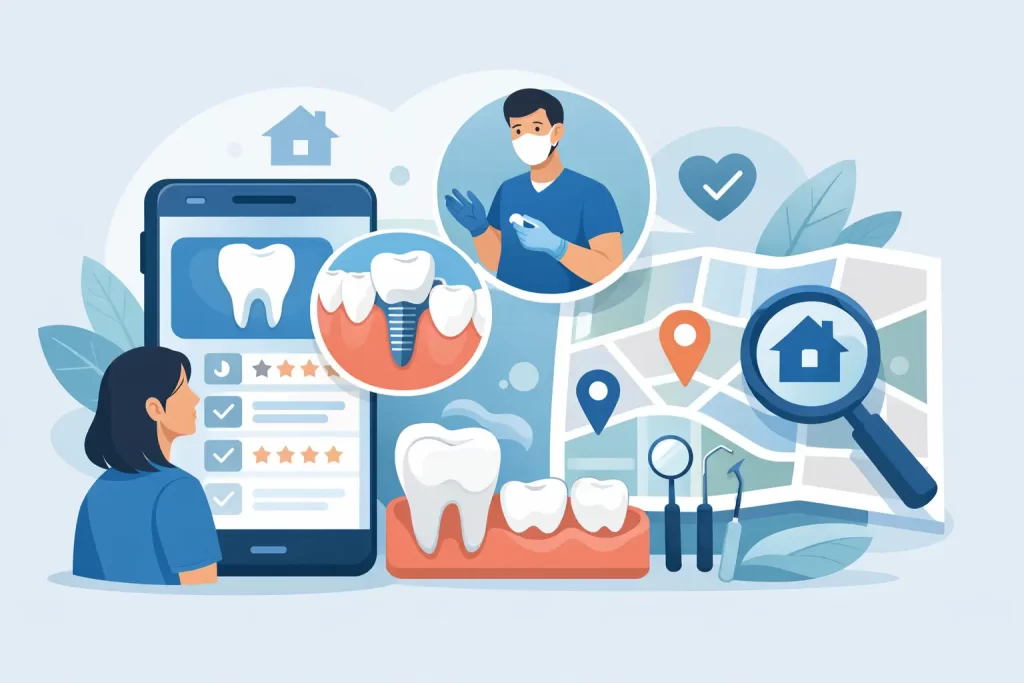
How to Choose Restorative Dental Care Near Me
When a tooth chips, aches, darkens, or starts making every meal feel like a problem, the search for restorative dental care near me gets very real, very fast. Most people are not looking for a complicated explanation in that moment. They want to know who can fix the issue properly, help them feel comfortable, and protect their smile from getting worse.
That is exactly what restorative dentistry is meant to do. It focuses on repairing damage, replacing what has been lost, and preserving as much of your natural tooth structure as possible. For patients in Kingston and nearby communities, the right dental office should do more than offer treatment. It should make the process feel clear, supportive, and manageable from the first visit.
What restorative dental care actually includes
Restorative care covers treatments that bring teeth back to health, strength, and function. Sometimes that means treating decay early with a white filling. Other times it means saving an infected tooth with root canal therapy, rebuilding a broken tooth with a crown, or replacing missing teeth with dentures.
The common thread is restoration. The goal is not simply to improve appearance, although that can be part of the result. The real priority is helping you chew comfortably, speak clearly, avoid further damage, and keep your mouth as healthy as possible.
That matters because dental problems rarely stay the same. A small cavity can deepen. A cracked tooth can break further. A missing tooth can affect neighboring teeth and your bite over time. Prompt care often gives you more options and can make treatment simpler than if you wait.
Why people search for restorative dental care near me
Most patients start this search because something already feels wrong. There may be pain when biting, sensitivity to hot or cold, a broken filling, swelling, bleeding, or a tooth that simply does not look right anymore. Others come in because they have been putting off care and want to restore their oral health before problems become more serious.
There is also a practical side to this search. People want a dental office that is easy to reach from home or work, offers appointment times that fit real schedules, and provides a professional environment where they can feel at ease. Convenience matters, but trust matters more. When treatment involves your comfort, your health, and your confidence, you want to know you are in capable hands.
What to look for in a local restorative dentist
Not every dental office approaches restorative care in the same way. If you are comparing options, start with philosophy. A strong restorative practice will focus on preserving natural teeth whenever possible. That usually means treating problems early, recommending the most appropriate option for your situation, and explaining why one approach may be better than another.
Technology also makes a difference. Digital x-rays and intraoral cameras can help your dentist spot issues clearly and show you what is happening inside your mouth. That kind of visibility supports better decisions and often helps patients feel more confident because they are not being asked to guess.
Comfort should not be treated like an extra. For many adults, dental anxiety is part of the experience, even if they do not talk about it often. A calm office, a friendly team, and a dentist who explains treatment in plain language can make a big difference. Good restorative care is clinical, but it should also feel personal.
Another factor is range of services. If your dental office can handle assessments, fillings, crowns, root canals, extractions, dentures, and preventive care in one place, your treatment tends to feel more coordinated. That is especially helpful for busy families and working professionals who do not want to piece care together from multiple providers.
Matching the treatment to the problem
One of the most reassuring things a dentist can do is explain what your tooth needs and what it does not. Restorative treatment is never one-size-fits-all.
Fillings for early to moderate decay
If a cavity is caught before it becomes too extensive, a white filling may be enough to remove decay and restore the tooth. This is usually one of the more straightforward options, and it works best when treatment happens early.
Crowns for weakened or broken teeth
A crown is often recommended when a tooth has lost significant structure from decay, fracture, or a large old filling. It covers and protects the tooth, helping it function more normally again. A crown can be a strong long-term solution, but only when the remaining tooth is healthy enough to support it.
Root canal therapy to save an infected tooth
When the inner part of a tooth becomes infected or inflamed, root canal therapy may be the best way to relieve pain and preserve the tooth. Many patients feel nervous when they hear those words, but in reality, this treatment is often what prevents extraction.
Dentures for missing teeth
If several teeth or a full arch are missing, dentures can restore appearance and daily function. Fit, comfort, and follow-up care matter here. Well-planned dentures can make eating and speaking easier, but expectations should be realistic. There is usually an adjustment period.
Extractions when a tooth cannot be saved
Tooth preservation is always the preferred path when possible, but sometimes extraction is the healthier choice. If a tooth is severely damaged, extensively decayed, or beyond predictable repair, removing it may prevent ongoing pain and infection. A good dentist will discuss replacement planning as part of that conversation.
The role of preventive care in restorative dentistry
People often separate preventive and restorative care, but they work best together. If you have had one damaged or decayed tooth, the next step is not just repairing it. It is reducing the chance that the same issue returns elsewhere.
Regular dental assessments, scale and polishing, and early treatment planning help protect the work you have already invested in. In some cases, preventive treatments like fissure sealants can also help lower risk in vulnerable teeth. Restorative care fixes current problems. Preventive care helps you keep moving forward.
Comfort, cost, and confidence all matter
Choosing care is not just about clinical need. It is also about whether the experience feels manageable. Some patients are focused on pain relief. Others are worried about appearance, time away from work, or how to pay for treatment. Those concerns are normal, and they should be part of the conversation.
The best dental offices understand that real patients make decisions based on a mix of health, budget, schedule, and comfort. Flexible payment options can help. So can a clear treatment plan that explains what should be done now, what can wait, and what each option is meant to accomplish.
There are trade-offs sometimes. The fastest solution is not always the most conservative. The least expensive short-term option may not be the most durable. That is why honest guidance matters. Patients deserve recommendations that reflect both quality care and real life.
Why a patient-centered office makes a difference
Restorative treatment can feel vulnerable. You may be dealing with pain, embarrassment, or frustration that a problem has gone on longer than you wanted. The environment around your care matters more than people think.
A welcoming waiting area, attentive staff, modern equipment, and a dentist who takes time to answer questions can lower stress before treatment even begins. That level of service does not change the biology of a tooth, but it does change the patient experience. And for many people, that is what helps them finally book the appointment they have been delaying.
For families, it also helps to have one trusted practice that can care for different needs under one roof, from cleanings and assessments to more advanced restorative work. Restorative Dental Jamaica is built around that kind of supportive, modern, patient-first experience.
When to stop searching and book the visit
If you are typing restorative dental care near me because something hurts, feels loose, looks damaged, or keeps bothering you, that is reason enough to schedule an evaluation. You do not need to wait for pain to become severe or for a minor problem to turn into a larger one.
Even if you are unsure whether you need a filling, crown, root canal, or something else entirely, the first step is simple. Get a proper assessment. With the right dentist, you can expect a clear explanation, practical options, and treatment that is focused on saving teeth where possible and restoring comfort with care.
A healthier smile often starts with one decision made sooner rather than later. If your mouth has been asking for attention, it is worth listening.
Leave a reply







Leave a reply