
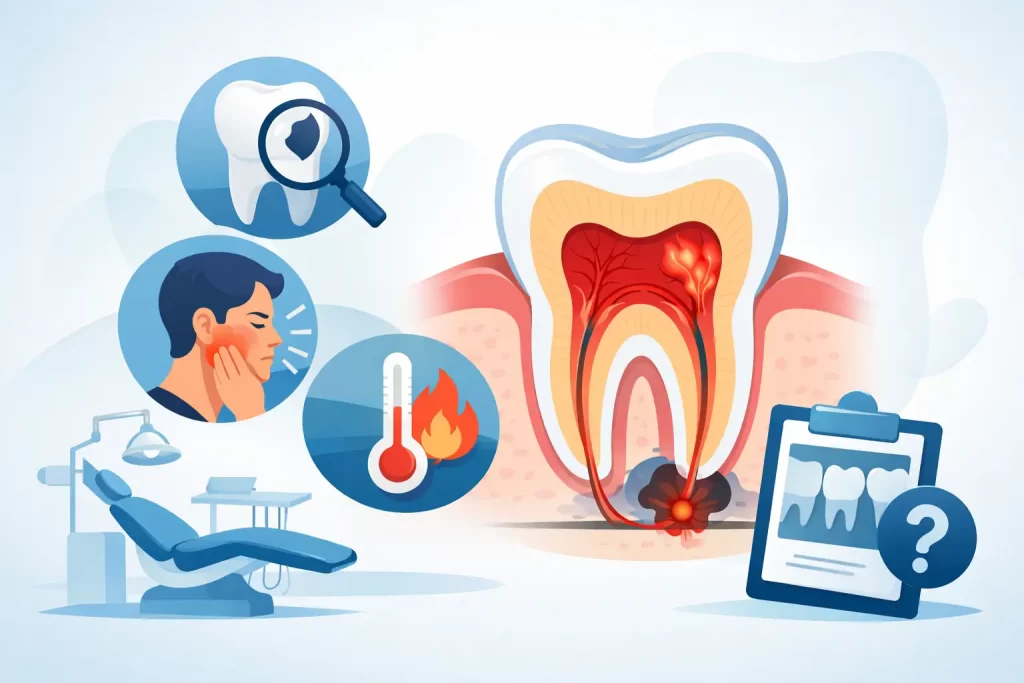
Do I Need a Root Canal? Key Signs to Know
That sharp jolt when you sip something cold, the ache that keeps you up at night, or the tooth that suddenly feels tender when you bite down – these are the moments when many people ask, do I need a root canal? It is a fair question, and it usually comes with a second one right behind it: how serious is this?
The short answer is that a root canal may be needed when the soft tissue inside your tooth, called the pulp, becomes inflamed or infected. That can happen because of deep decay, a crack, repeated dental work on the same tooth, or an injury. The good news is that root canal therapy is designed to save your natural tooth, relieve pain, and help you avoid extraction when the tooth can still be restored.
Do I Need a Root Canal or Just a Filling?
This is one of the most common points of confusion. A filling repairs damage in the outer part of the tooth. A root canal treats the inside of the tooth when the nerve and pulp are no longer healthy.
If a cavity is caught early, a filling may be enough. If decay travels deeper and reaches the pulp, a filling alone will not solve the problem. In that case, sealing the surface while infection remains inside the tooth can allow pain and damage to continue.
That is why an exam matters. Symptoms can suggest a problem, but they do not always tell the full story. Some teeth that need root canal treatment are extremely painful. Others are surprisingly quiet, even when infection is present.
Signs you may need a root canal
Pain is often the symptom people notice first, but not every toothache means root canal treatment. What matters is the pattern, intensity, and cause of the discomfort.
A lingering sensitivity to hot or cold is one common sign. If your tooth reacts for a second and then settles quickly, that may point to minor irritation. If the pain hangs on long after the drink or food is gone, the pulp may be inflamed.
Pain when chewing or biting can also be a warning sign, especially if it feels sharp or localized to one tooth. Some people describe it as a bruise-like soreness. Others notice they start chewing on the other side without thinking about it.
Swelling around the gums, tenderness near one tooth, or a small pimple-like bump on the gum can suggest infection. In some cases, there is also a bad taste or odor if drainage is present.
Discoloration matters too. A tooth that turns darker than the teeth around it may have suffered internal damage. That does not always mean a root canal is required, but it is something your dentist should evaluate promptly.
Finally, there is the tooth that wakes you up. Throbbing pain that interrupts sleep or seems to come on without a clear trigger often means the problem has moved beyond a simple cavity.
What causes a tooth to need root canal treatment?
The most common reason is untreated tooth decay that moves deeper into the tooth over time. What starts small on the enamel can become much more serious if bacteria reach the pulp.
Cracks and fractures are another cause. A tooth can develop a crack from trauma, grinding, clenching, or even biting into something unexpectedly hard. When that crack opens a path for bacteria, the pulp can become inflamed or infected.
Repeated dental procedures on the same tooth can also make the pulp more vulnerable. This does not mean dental work is the problem. It simply means a tooth that has been repaired multiple times may eventually reach a point where the inner tissue cannot recover.
Sometimes the cause is an injury that happened months or even years earlier. A tooth that was bumped in a fall, sports accident, or other impact may seem fine at first and then later show signs of internal damage.
How a dentist confirms if you need a root canal
If you are wondering, do I need a root canal, a proper dental evaluation is the safest way to get a clear answer. Your dentist will listen to your symptoms, examine the tooth, and check the surrounding gums. They may gently tap the tooth, test how it responds to temperature, and assess whether the pain is coming from one tooth or another nearby source.
Digital x-rays are especially helpful because they can reveal deep decay, changes around the root, or signs of infection in the bone. Intraoral cameras may also help you see what your dentist sees, which can make the decision feel more straightforward and less stressful.
This matters because not all dental pain comes from the nerve inside a tooth. Gum disease, sinus pressure, a cracked filling, or grinding can create symptoms that feel similar. The right diagnosis helps you avoid the wrong treatment.
What root canal treatment actually does
A root canal removes damaged or infected pulp from inside the tooth. The inner space is then cleaned, shaped, disinfected, and sealed. After that, the tooth is restored so it can function normally again.
For many patients, the biggest surprise is that the purpose of the procedure is pain relief, not pain creation. Modern treatment, local anesthesia, and careful technique make root canal therapy much more comfortable than its reputation suggests.
You may still need a crown afterward, especially if the treated tooth is a molar or has lost a lot of structure. That crown helps protect the tooth from fracture and restores strength for chewing. In some cases, a filling may be enough, but that depends on how much healthy tooth remains.
Does every painful tooth need a root canal?
No, and this is where nuance matters. A cavity can cause sensitivity without reaching the pulp. A loose filling can make a tooth react to temperature. Gum recession can expose roots and create sharp cold sensitivity. Teeth grinding can also lead to soreness that feels deep and worrying.
On the other hand, some teeth that do need root canal treatment are not very painful at all. The nerve may already be severely damaged, or the infection may be draining in a way that reduces pressure. That is why waiting for severe pain before booking an appointment is not always a safe strategy.
If your symptoms are new, worsening, or focused around one tooth, it is best to have them checked sooner rather than later. Early care often means more options and less discomfort.
What happens if you delay treatment?
Sometimes people hope the pain will fade and the problem will pass. Unfortunately, when the pulp is infected, the issue usually does not resolve on its own. The nerve may die, which can temporarily change the pain, but the infection can continue to spread.
That delay can lead to swelling, abscess formation, increased pain, and more extensive treatment later. It can also reduce the chance of saving the tooth. A tooth that might have been preserved with root canal therapy may eventually need extraction if too much damage occurs.
From both a health and cost perspective, earlier treatment is often the better path. Preserving your natural tooth is usually simpler and more predictable than replacing it after loss.
What if you are nervous about root canal treatment?
That is completely normal. Many patients are not just worried about pain. They are worried about the unknown, the sound of instruments, how long it will take, and whether they will be judged for waiting.
A caring dental team makes a real difference here. Clear explanations, gentle treatment, and modern imaging help take away a lot of the uncertainty. At Restorative Dental Jamaica, the focus is not just on treating the tooth. It is on helping patients feel relaxed, informed, and confident about their care.
If you are anxious, say so. That simple step helps your dental team pace the appointment, explain each part of the process, and support you properly.
Do I need a root canal right now?
If you have severe tooth pain, swelling, lingering hot or cold sensitivity, pain when biting, or a darkened tooth, you should schedule a dental evaluation as soon as possible. You may not need a root canal, but you do need answers.
The most reassuring part of all this is that root canal treatment is not about losing a tooth. It is about saving one. And when treatment is done at the right time, it can restore comfort, protect your smile, and let you get back to eating, sleeping, and living without that constant worry in the background.
If a tooth has been trying to get your attention, listening early is one of the best things you can do for your long-term dental health.
Leave a reply








Leave a reply