
Restorative Tooth Care That Saves Smiles
A cracked tooth rarely waits for a convenient time. It shows up when you are chewing lunch at work, sipping something cold, or trying to ignore that sharp twinge you hoped would go away on its own. That is where restorative tooth care matters most. It is not just about fixing a problem tooth. It is about relieving discomfort, protecting your natural teeth, and helping you feel comfortable speaking, eating, and smiling again.
For many patients, the biggest question is not whether they need treatment. It is what kind of treatment makes sense, how urgent it is, and whether the tooth can still be saved. Good restorative dentistry answers those questions clearly and calmly. The goal is to restore strength, function, and appearance while choosing the most conservative option that will truly last.
What restorative tooth care really means
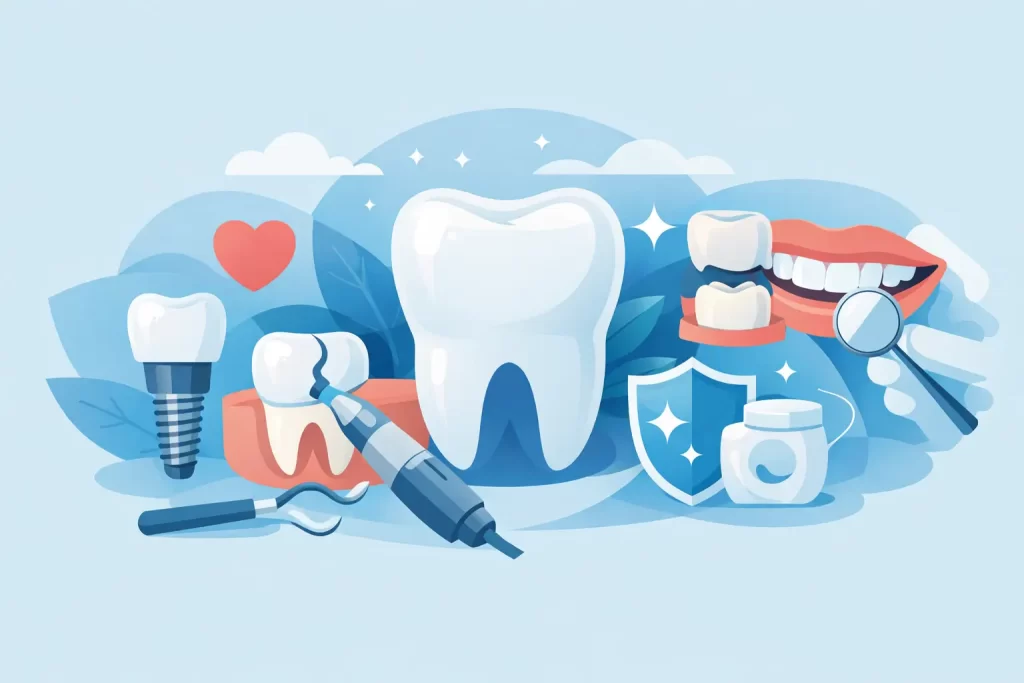
Restorative tooth care focuses on repairing teeth that have been damaged by decay, cracks, wear, infection, or tooth loss. In practical terms, that may mean placing a white filling in a cavity, protecting a weakened tooth with a crown, treating an infected tooth with root canal therapy, or replacing missing teeth with dentures or other solutions.
The word restorative can sound technical, but the purpose is simple. Keep as much healthy tooth structure as possible, stop the problem from getting worse, and restore your ability to use your teeth with confidence. In many cases, early treatment makes this easier, less invasive, and more affordable than waiting until pain becomes severe.
Why early care changes the outcome
A small cavity is usually easier to treat than a deep one. A tooth with a minor crack may be protected before it breaks further. Gum inflammation can often be managed before it starts affecting the support around your teeth. These are the moments when restorative care can preserve more of your natural smile.
Waiting can turn a straightforward issue into a more complex one. Decay may reach the inner nerve. A broken filling can expose weak tooth structure. A missing tooth can place extra pressure on neighboring teeth, affecting your bite over time. None of this means every dental problem becomes serious overnight, but it does mean earlier care often gives you better options.
That is one reason patients appreciate a practice that combines experience with modern imaging. Digital x-rays and intraoral cameras can help show what is happening beneath the surface and make treatment decisions feel more transparent. Seeing the problem clearly often makes it easier to move forward with confidence.
Common treatments used in restorative tooth care
The right treatment depends on how much damage is present, where the tooth is located, and what matters most to you in terms of durability, appearance, and budget.
White fillings for cavities and small fractures
When decay is caught early or a tooth has a minor chip, a white filling may be enough to restore the area. These fillings blend naturally with your smile and are a popular choice for patients who want a more discreet result. They work well for many teeth, though larger areas of damage may need something stronger.
Dental crowns for added strength
A crown covers and protects a tooth that is too weak for a filling alone. This can be the right option after a large cavity, a fracture, or root canal treatment. Crowns are designed to restore both function and appearance, but they do require more preparation than a filling. If the tooth is significantly compromised, that trade-off is often worth it for long-term stability.
Root canal therapy to save an infected tooth
When the inner pulp of a tooth becomes inflamed or infected, root canal therapy may be recommended. This treatment removes the infection, relieves pain, and allows the tooth to be preserved rather than extracted. Many patients feel nervous about root canals because of the name, but the real purpose is relief. In many cases, the infection is what hurts far more than the treatment itself.
Dentures and tooth replacement options
If a tooth cannot be saved or has already been lost, replacement matters for more than appearance. Missing teeth can affect speech, chewing, and bite balance. Dentures can restore function and confidence, especially when designed with comfort and fit in mind. The best option depends on how many teeth are missing, the health of the surrounding tissues, and your goals.
Extractions when a tooth cannot be restored
Sometimes the most responsible recommendation is to remove a tooth that is too damaged to predictably save. That can be disappointing to hear, but it can also prevent ongoing pain and repeated treatment on a tooth with limited long-term outlook. Good care includes being honest about when preservation is possible and when it is not.
Restorative tooth care and cosmetic results often overlap
Patients often think of restorative and cosmetic dentistry as two separate categories, but they frequently work together. A white filling repairs decay and also blends with the natural tooth. A crown restores strength and can improve shape and appearance. Bonding may fix a chip while improving the look of your smile.
This matters because most people do not want a repaired tooth to stand out. They want it to feel normal and look natural. That is why treatment planning should consider both function and appearance, especially for front teeth or any visible area when you smile.
How dentists decide what is best
There is no single formula for restorative treatment. Two people with similar symptoms may need very different solutions. A small cavity on a back tooth is different from a crack on a front tooth. A patient who grinds their teeth may need a stronger restoration than someone with less bite pressure. Budget, timeline, and overall oral health also matter.
A thoughtful exam helps sort through these factors. That may include digital imaging, a close visual assessment, and a conversation about your symptoms and priorities. Some patients want the most conservative treatment possible. Others are thinking long term and prefer a stronger restoration from the start. Neither approach is automatically right or wrong. The best choice is the one that fits the clinical need and your real-life goals.
At Restorative Dental Jamaica, that patient-first approach is part of what helps people feel more at ease. Clear explanations, modern tools, and a comfortable setting can make a stressful dental issue feel much more manageable.
What to expect if you have been putting treatment off
Delaying care is common. Busy schedules, dental anxiety, cost concerns, and the hope that discomfort will settle down all play a part. If that sounds familiar, you are not alone.
The first step is simply finding out what is going on. Not every ache means a major procedure. Not every broken tooth needs to come out. Sometimes patients are relieved to learn the problem is still very treatable. Other times, treatment is more involved than expected, but addressing it now can stop the cycle of pain, infection, or repeated breakage.
What matters is not perfection. It is progress. A good dental team should meet you where you are, explain your options plainly, and help you move forward without pressure.
How to protect your results after treatment
Restorative work lasts best when it is supported by consistent daily care and regular dental visits. Brushing twice a day, cleaning between your teeth, and keeping up with exams and cleanings all help protect both natural teeth and restorations.
If you clench or grind, that should be addressed too. Bite pressure can shorten the life of fillings, crowns, and even natural enamel. Diet also plays a role. Frequent sugar exposure, acidic drinks, and chewing hard items like ice can all create problems over time.
Preventive care and restorative care are not opposites. They support each other. The more you protect your teeth after treatment, the better your restorations can serve you for years ahead.
When it is time to schedule an evaluation
If you have tooth pain, sensitivity, a chipped tooth, a loose filling, swelling, or trouble chewing on one side, it is time to have it checked. Even if the issue seems small, it is worth getting a professional opinion before it becomes harder to manage.
Restorative tooth care is ultimately about preserving comfort, function, and confidence. Whether the solution is a simple filling or a more advanced treatment plan, the right care can help you keep your natural teeth longer and avoid unnecessary setbacks later.
A healthy smile does not always need a dramatic transformation. Sometimes it starts with finally addressing the one tooth that has been asking for attention.
Leave a reply







Leave a reply